 Български
 Русский
 English
 Bahasa Indonesia
 Bahasa Malay
 ไทย
ไทย Español
 Deutsch
 Français
 Tiếng Việt
 中文
中文 বাংলা
বাংলা हिन्दी
 Čeština
 Українська
 Română

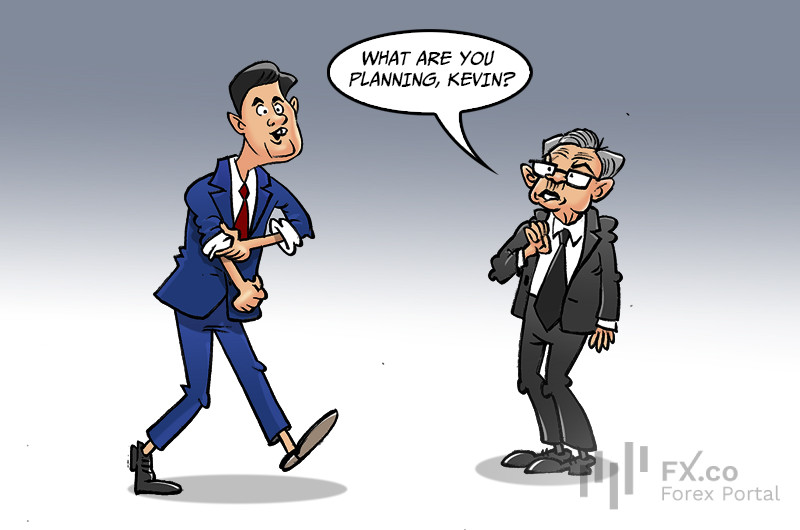
The appointment of Kevin Warsh as chair of the Federal Reserve marks a decisive break with Jerome Powell’s policy of extensive forward guidance, setting the stage for a period of reduced transparency and greater unpredictability for markets.
Warsh argues that the practice of detailed announcements and prospective guidance has left the regulator hostage to its own words. Investors should prepare for a regime of information restraint and greater uncertainty, he warns.
Deutsche Bank analysts expect the Fed to abolish the well‑known "dot plot" of individual rate projections. Warsh plans to conceal officials’ individual forecasts and replace them with a less specific central tendency. The objective is to force markets to analyze the real state of the economy rather than parse the regulator’s intention charts.
The new Fed administration intends to stop reacting to every decimal change in inflation and employment reports. Warsh regards an overreliance on headline data as a sign of weak analysis and plans to concentrate on long‑run trends, namely, a productivity boom driven by artificial intelligence and deregulation. The approach echoes the 1990s. If the technological surge comes true, the Fed could keep rates low. If it does not, disregarding lagging indicators risks a renewed bout of inflation.
Warsh also aims to curb media noise by asking presidents of regional Federal Reserve banks to speak less frequently. The one voice — one message strategy is intended to reduce volatility caused by conflicting public comments from officials. However, efforts to restrict the publicity of regional bank presidents, including those in Dallas and Minneapolis, could provoke internal backlash and put the system’s independence at risk.