The
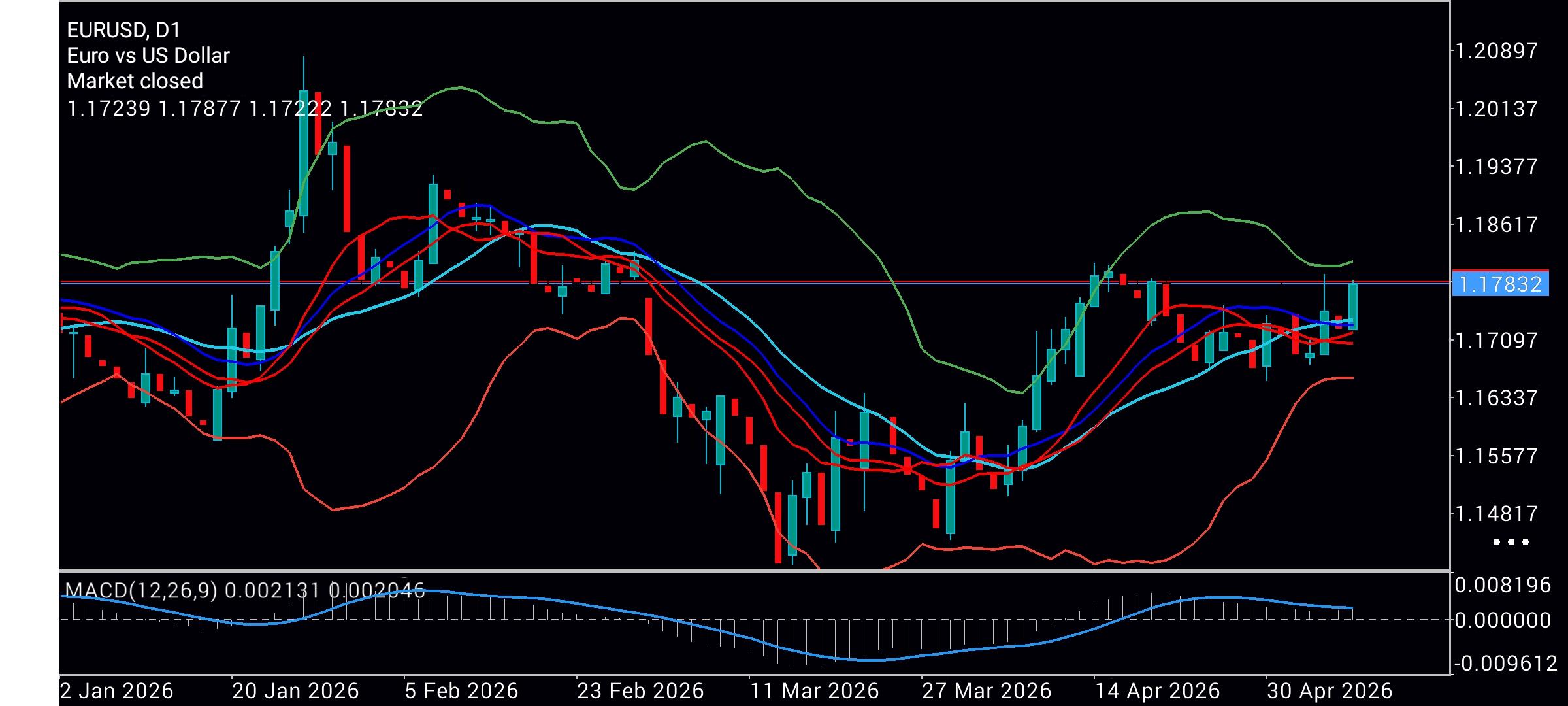
EUR/USD pair is maintaining a resilient, albeit cautious, foothold within the
1.1730–1.1735 range during the Asian session on Friday, May 8, 2026. While the pair has successfully stalled the minor slide observed in previous sessions, the prevailing price action lacks the aggressive bullish conviction required for a breakout. This hesitation is largely a byproduct of a dual-narrative market environment where geopolitical volatility in the Middle East is pitted against a pivotal moment for US monetary policy. On one hand, persistent uncertainty regarding the formalization of a US-Iran peace deal—exacerbated by fresh reports of "self-defense strikes" and skirmishes involving oil tankers in the
Strait of Hormuz—continues to provide a safe-haven tailwind for the Greenback. On the other, the global financial community is currently in a state of suspended animation as it awaits the release of the April
US Nonfarm Payrolls (NFP) report. The labor market data, scheduled for release at 8:30 ET, is expected to serve as a critical barometer for the Federal Reserve’s next move. While the consensus forecast was initially set at a conservative
62,000 new jobs, the actual data released today by the Bureau of Labor Statistics revealed a stronger-than-anticipated addition of
115,000 jobs. This "beat" against conservative expectations, coupled with an unemployment rate that remained steady at
4.3%, has complicated the "dovish pivot" narrative. While the US economy is clearly cooling compared to the triple-digit gains seen in early 2025, the resilience of the labor market—particularly in healthcare and transportation—suggests that the Fed may feel emboldened to maintain its current policy rate of
3.5% to 3.75% for longer than some Euro-bulls had hoped.
EUR/USD Technical & Macroeconomic Sentinel Technical Indicator Current Value / Level Market Sentiment EUR/USD Spot 1.1732 Consolidating within an ascending channel.
4-Hour 200-SMA 1.1670 Major dynamic support floor; bias remains bullish above.
RSI (4-Hour) 49.8 Neutral; suggests room for a move in either direction.
MACD Histogram -0.0001 (Marginal) Signaling waning upside momentum near resistance.
Strait of Hormuz Naval Blockade Active High geopolitical risk underpinning USD demand. From a technical standpoint, the
EUR/USD remains locked in a well-defined
ascending channel that has characterized its trajectory over the past two weeks. The pair continues to trade above the
200-period Simple Moving Average (SMA) on the 4-hour chart, currently situated at
1.1670, which provides a formidable layer of structural support and reinforces a constructive near-term outlook. However, momentum oscillators are flashing warning signs of exhaustion. The
Relative Strength Index (RSI) is hovering just below the 50 mark, indicating a lack of directional impulse, while the
MACD has crossed into slightly negative territory. This suggests that while the floor is solid, the "ceiling" near the upper channel boundary at
1.1802 remains a difficult hurdle to clear without a significant fundamental catalyst. Looking ahead to the New York close, the immediate focus remains on whether the
1.1730 pivot can hold against the post-NFP dollar strength. If the pair breaks below the channel’s lower parallel boundary at
1.1693, the focus will shift rapidly to the
1.1670 SMA. Conversely, should the market interpret the NFP "beat" as insufficient to stop an eventual Fed rate cut, a decisive move above
1.1802 could trigger a fresh wave of Euro buying. For now, the combination of "low-hire, low-fire" economics and the threat of naval hostilities in the Makran Sea has trapped the pair in a consolidative "wait-and-see" pattern.
*Публикуваният тук анализ на пазара има за цел да повиши вашата информираност, но не и да даде указания за извършване на сделка
 Български
 Русский
 English
 Bahasa Indonesia
 Bahasa Malay
 ไทย
ไทย Español
 Deutsch
 Français
 Tiếng Việt
 中文
中文 বাংলা
বাংলা हिन्दी
 Čeština
 Українська
 Română