 Français
 Русский
 English
 Bahasa Indonesia
 Bahasa Malay
 ไทย
ไทย Español
 Deutsch
 Български
 Tiếng Việt
 中文
中文 বাংলা
বাংলা हिन्दी
 Čeština
 Українська
 Română

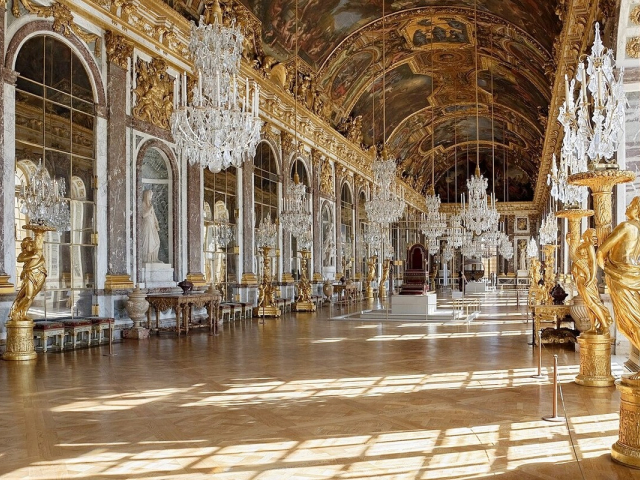
Discipline of gold: Versailles as manifesto of absolute power
The Palace of Versailles is not just a building but an ideological statement carved in stone and mirrors. For Louis XIV, it became the architectural equivalent of a royal title translated into everyday life. The Hall of Mirrors, kilometres of symmetrical alleys, interiors designed to subordinate space to the monarch… everything there is made for admiration. The combination of gilded luxury and the ability to distance oneself from others is a visual equivalent of hierarchy and a tool of public dominance.
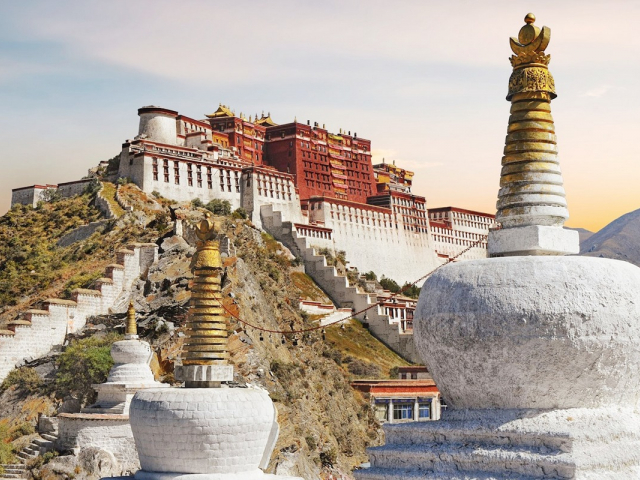
Potala: wealth hidden behind religion
The Potala was the Dalai Lama’s former residence in Lhasa. It appears suddenly to visitors, like a mirage rising from the mountains. Thirteen storeys, hundreds of rooms, gilded roofs and relics with no market price — all were created not as a testament to a luxurious lifestyle but as confirmation of sacred authority. Wealth here is not ostentatious: it is concealed in details, symbols, and the red color of the walls. In Tibet, affluence takes a hidden form, characterized by elevation and inaccessibility; it refuses outward display.
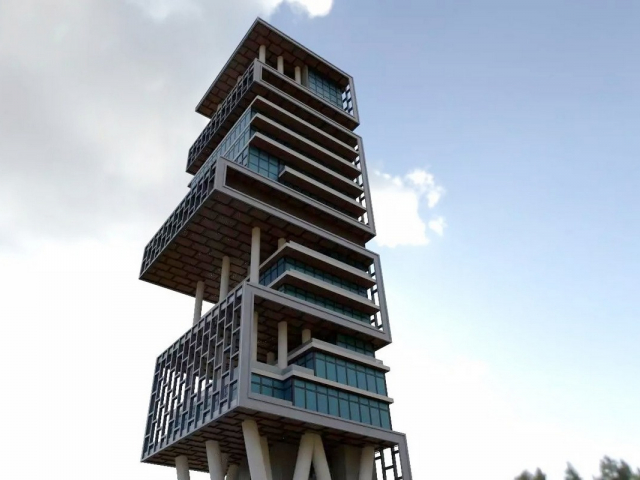
Antilia: vertical code of inequality
Antilia is a 27-storey private residence in Mumbai and one of the world’s most expensive private homes. The building includes helipads, a ballroom, a cinema, hanging gardens, parking for 168 cars, and a floor for technical support. In India, where poverty and wealth live side by side, Antilia is seen as something mythical — a classic fortress of the 21st century. Its architecture is inspired by ancient temples. It is a vertical symbol of personal status and business ambition in the world’s second-most populous country.
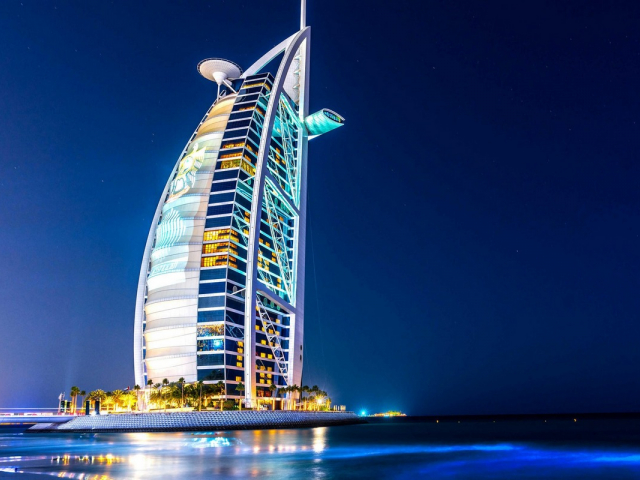
Burj Al Arab as nation’s self‑esteem
What happens when oil is transformed into architecture? The Burj Al Arab, the UAE’s signature hotel, is a vivid example. It is shaped like a sail of steel, made of glass and gold, and moored on an artificial island. Every square metre of the building is steeped in luxury — from 24‑carat gilding to private suite entrances. In Arab culture, wealth is often tied to the demonstration of hospitality and status. A hotel built not for living but for display and to inspire admiration can be read as a symbol of national ambition, its sail spread by gusts of money.
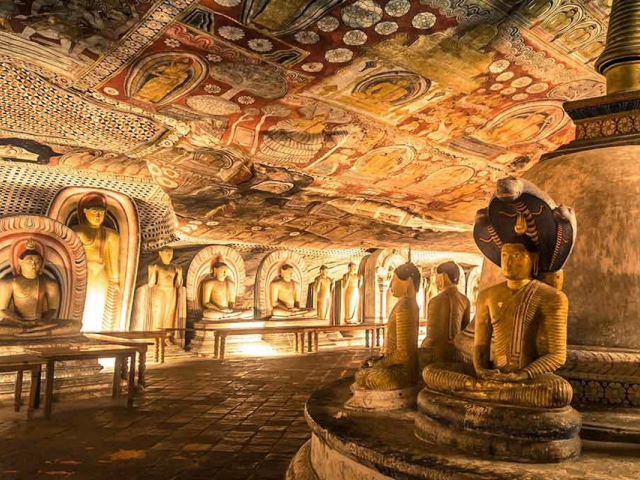
Golden caves of Dambulla: wealth in generosity
In Sri Lanka, material riches often flow into spiritual donations. The Dambulla temple consists of five rock caves frescoed and filled with Buddha statues surrounded by gold. Built more than 2,000 years ago and expanded by successive kings, it embodies the idea that grandeur is expressed not in private ownership but in generosity and giving. Some ceiling paintings cover more than 200 square metres. Here, you feel the energy of faith combined with regal largesse.
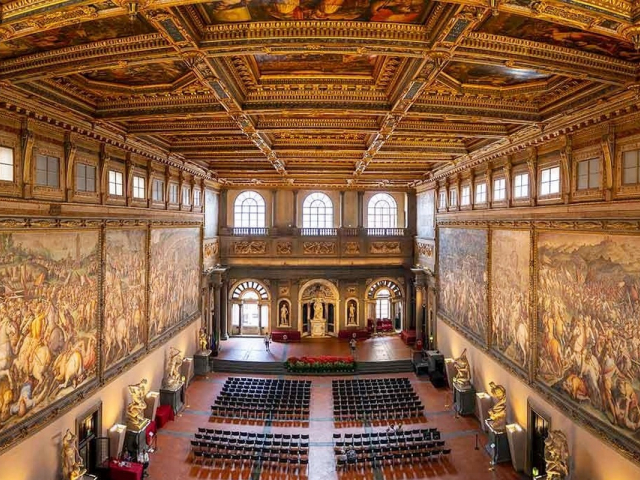
Palazzo Vecchio: power of patronage
Palazzo Vecchio in Florence — the central seat of Renaissance power — is the monument to the Medici dynasty’s banking and cultural leadership. Its interior is decorated with Vasari masterpieces, thematic frescoes, and rooms ranging from military banners to collections of antique globes. Here, wealth is intellectual influence, incorporated in public space. Built from coarse stone, the palace symbolizes authority not by gold but through patronage of culture and science. Palazzo Vecchio is the birthplace of patronage as a form of social capital.
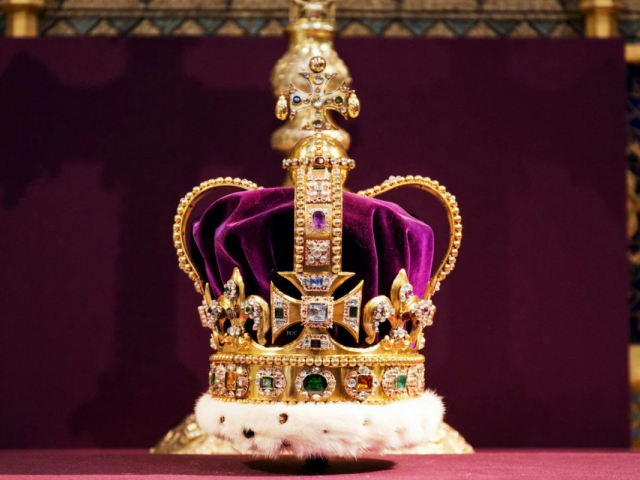
British royal regalia as capital of authority
Gold is only one ingredient in what is called the Crown Jewels. Crowns, swords, scepters, and orbs were made not as ornaments but as instruments of legitimacy. Diamonds tell the story of a colonial past, tradition and an enduring power structure. The aesthetic of the regalia is not elegance but discipline. These items are not worn every day; they are brought out on ceremony as proof of historical continuity. In a culture where capital can symbolize succession, even wealth is kept under protocol.