 Français
 Русский
 English
 Bahasa Indonesia
 Bahasa Malay
 ไทย
ไทย Español
 Deutsch
 Български
 Tiếng Việt
 中文
中文 বাংলা
বাংলা हिन्दी
 Čeština
 Українська
 Română

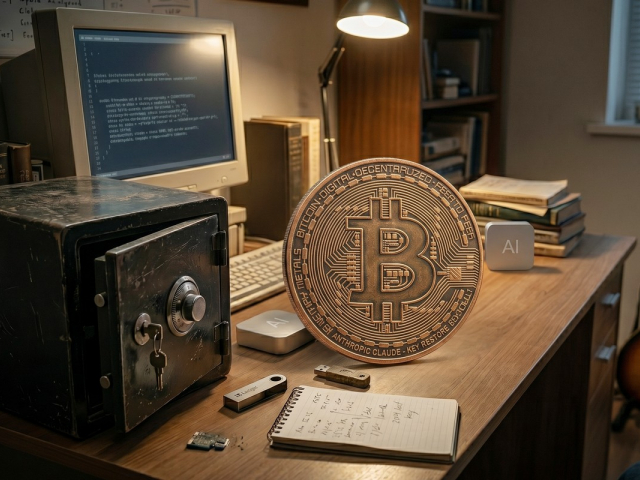
Claude and forgotten $400,000 safe
The story of a user known as @cprkrn has become a legend in the cryptocurrency community of 2026. In 2014, he lost access to a wallet containing 5 BTC, which over 11 years transformed into a real fortune, around $400,000. All attempts to recover the password or crack his own script were in vain until Claude from Anthropic came to the rescue. The AI acted not just as a calculator but as a brilliant coding consultant, successfully reconstructing the forgotten encryption algorithm and restoring access to the data.
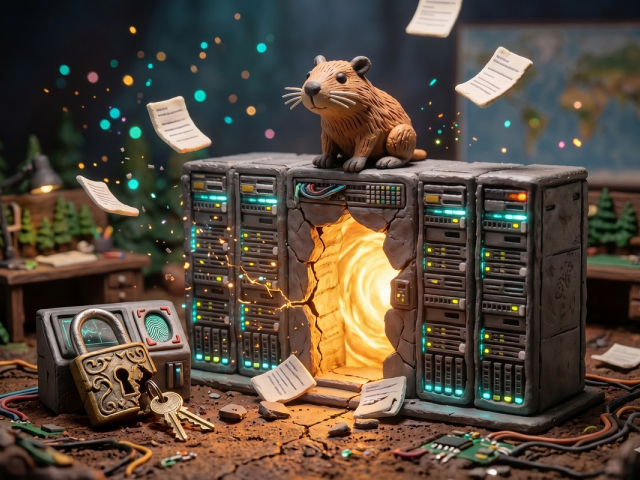
Transformation of financial fortress
The British-based AI Safety Institute (AISI) is raising alarms: modern AI models, such as Mythos by Anthropic, are demonstrating frightening advancements in cyber hacking. In recent tests, the neural network successfully navigated complex scenarios of autonomous penetration, accomplishing tasks that previously required hours of manual hacker effort. The rise of "automated hacking" is imminent, with AI poised to identify vulnerabilities in banking codes faster than humans can address them. This creates an arms race where the stakes are the very structure of the global financial system.

Digital speech regeneration
For individuals who have lost their ability to speak due to illnesses such as ALS or throat cancer, AI has become a true lifeline. Modern neural networks can recreate a person’s unique voice based on just a few minutes of old audio recordings. Unlike the monotonous robotic synthesizers of the past, AI avatars of 2026 can convey the original’s unique intonations, raspiness, and even emotional nuances. This is more than just technology; it represents the return of identity, allowing people to communicate with loved ones using their once “lost” voice.
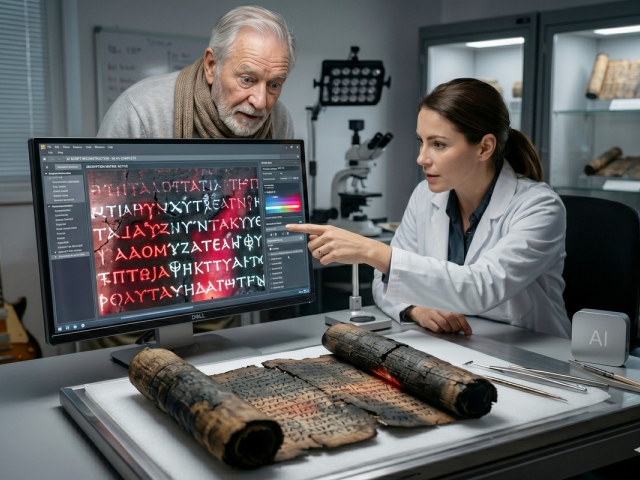
Deciphering "silent" centuries
Archaeology and linguistics are experiencing a renaissance thanks to AI. Neural networks have learned to decode ancient texts that have remained a mystery to scholars for centuries. For instance, algorithms trained on thousands of samples have successfully read the charred scrolls from Herculaneum without needing to physically unroll them. AI detects ink traces where the human eye and traditional X-rays are powerless. Lost languages and remnants of ancient civilizations are literally being "revealed" on computer screens. We are finally transforming dead history into a living dialogue.
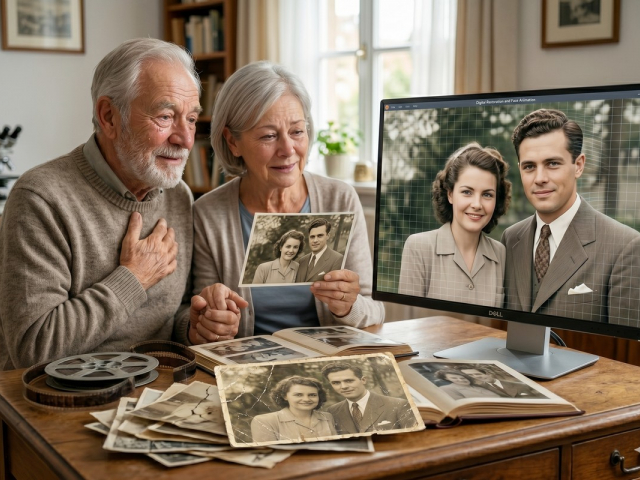
Restoring family memories
Old, yellowed photographs and damaged 8mm films from family archives are gaining new life. Modern AI-based restoration services go beyond simply removing scratches and colorizing images; they reconstruct lost details, enhance resolution to 4K, and even animate the faces of ancestors, allowing us to see their smiles or the movement of their eyes. This creates a remarkable effect akin to time travel. What was once considered hopelessly damaged by time is now being returned to family albums, making generational history tangible and vivid.
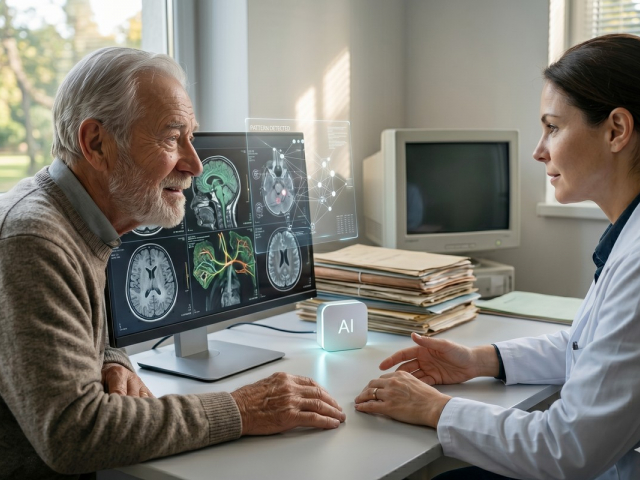
AI diagnostics: end of "lost time"
In medicine, AI has become a tool for finding solutions in situations that were previously deemed dead ends. Algorithms can analyze vast arrays of medical data to identify patterns in rare diseases that doctors have overlooked for years. AI correlates symptoms with "lost" or forgotten clinical cases from around the world, offering personalized treatment plans. This brings hope to individuals and restores years of active life that would otherwise have been lost in endless wait times and misdiagnoses.
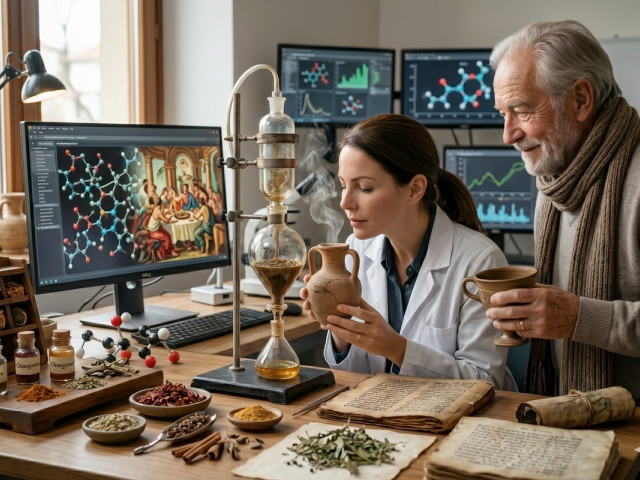
Reviving flavors and aromas
Culinary anthropology has received a powerful boost from AI. By utilizing chemical analysis of preserved microparticles in ancient amphorae and records from old cookbooks, AI reconstructs recipes for lost dishes and beverages. We can once again savor the taste of wines enjoyed by Roman emperors or the aroma of spices that disappeared centuries ago. Algorithms calculate molecular combinations, enabling chefs to recreate these "gastronomic ghosts." This revival of sensory experiences from past eras transforms a mere collection of facts into a tangible sensation at the tip of the tongue.
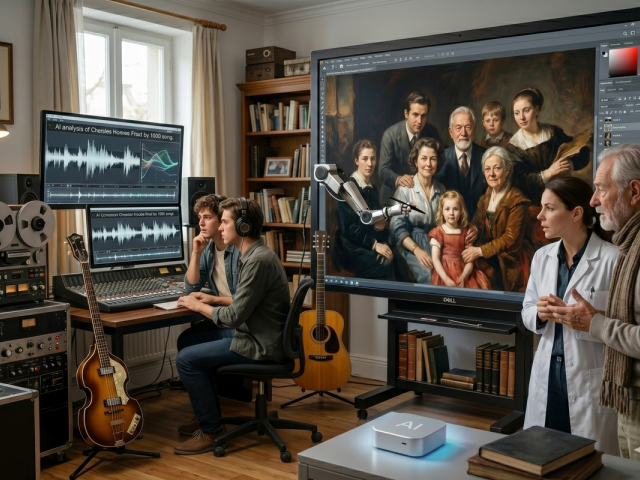
New masterpieces from departed geniuses
Artificial intelligence has learned to "think" in the style of great masters of the past. We are now hearing new songs by The Beatles and seeing paintings that Rembrandt might have created if he were alive today. AI analyzes brush strokes, harmonies, and the structure of works, generating content that fits seamlessly within the artist’s canon. This has sparked heated debates over authorship, but it also gives us the chance to hear and see what was “lost” with the deaths of these geniuses. Art has become an endless process in an infinite digital space.
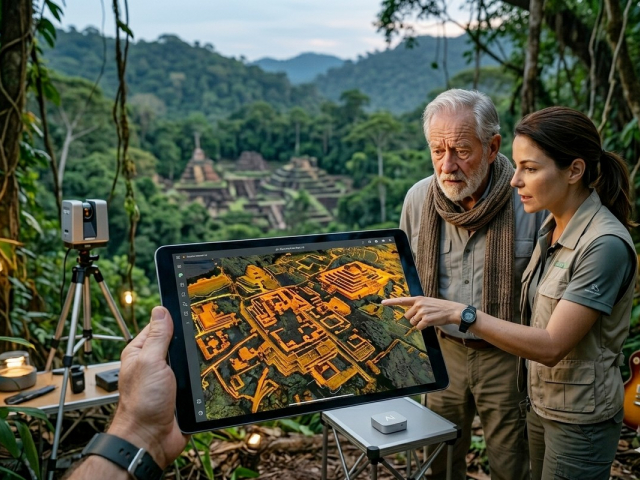
In search of lost cities
Using AI, cartographers and archaeologists are uncovering ancient settlements hidden beneath dense jungles or layers of sand. By analyzing satellite imagery and LiDAR data, AI identifies geometric patterns that are invisible to the human eye. This technology has led to the discovery of lost Mayan cities and outposts along the Silk Road. AI allows us to visualize the "lost geography" of our planet, restoring maps of ancient roads and irrigation systems. What has long been regarded simply as forest or desert is revealed to be the remains of complex metropolises from the past, reshaping our understanding of human accomplishment.