 Français
 Русский
 English
 Bahasa Indonesia
 Bahasa Malay
 ไทย
ไทย Español
 Deutsch
 Български
 Tiếng Việt
 中文
中文 বাংলা
বাংলা हिन्दी
 Čeština
 Українська
 Română

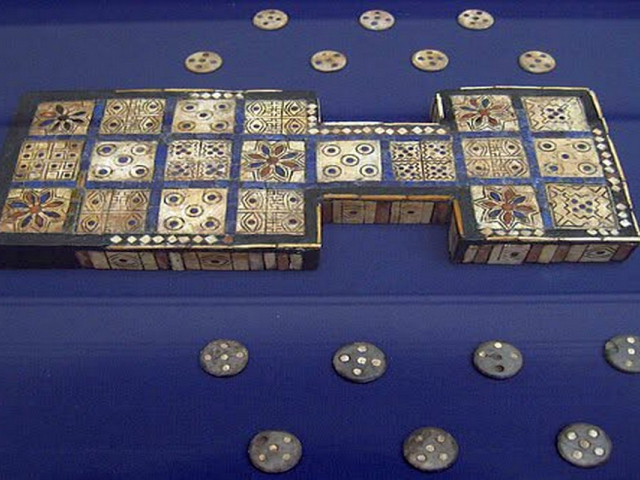
Royal Game of Ur — 5,000 years of excitement
Five and a half thousand years ago, in Mesopotamia, the Royal Game of Ur appeared—the same age as human civilization itself. Luxurious game boards were found in royal tombs in the 1920s. They were played by everyone, from rulers to guards, who scratched game fields with daggers directly onto the gates of the palace of Sargon II. Players relied on tetrahedral dice, seven pieces, and luck to win. Over time, people even began to read messages from higher powers through the game. Remarkably, this most ancient game survived almost to our days—into the 1950s. Modern backgammon traces its origins to it.
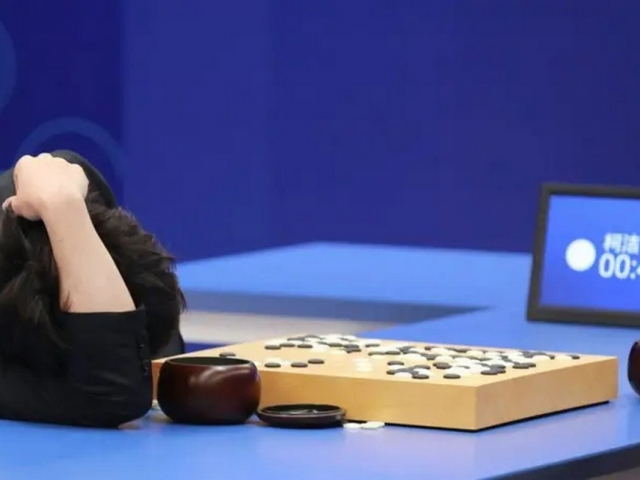
Weiqi—philosophy of black and white
Appearing in China more than 4,000 years ago, weiqi (known in the West as Go) became the highest art for emperors, generals, and thinkers. According to legend, ruler Yao invented it to develop the mind and discipline of his son. Under the rules, players had to surround territory with black and white stones. The endless number of combinations, however, developed strategic thinking and taught restraint. For a wise ruler, the best strategy was considered the ability to win without destruction—to capture space with the mind rather than brute force. In the photo, AI won.
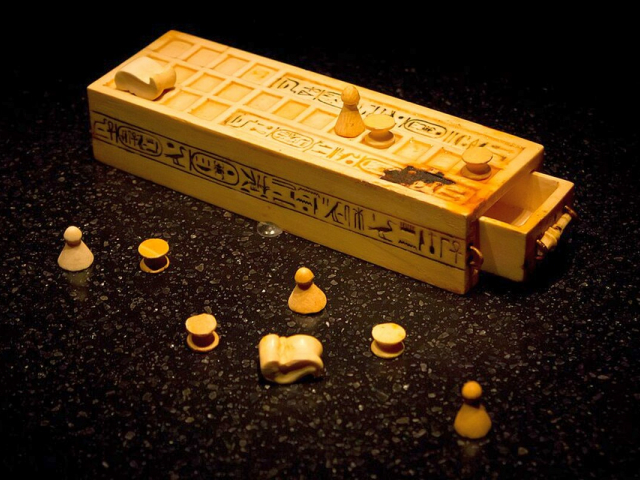
Senet—pass into afterlife
The ancient Egyptian game of senet, mentioned as early as 3000 BCE, was not just entertainment but a sacred ritual. Its board of thirty squares symbolized the soul’s journey through the underworld of Duat to the weighing of the heart. Fragments of senet and lavish gaming boards were found in the tombs of great pharaohs, including Tutankhamun. Egyptians believed that victory over an invisible divine opponent guaranteed blessing in the world of the dead. Senet became the first known game in history in which every move was bound up with religious awe and faith in immortality.
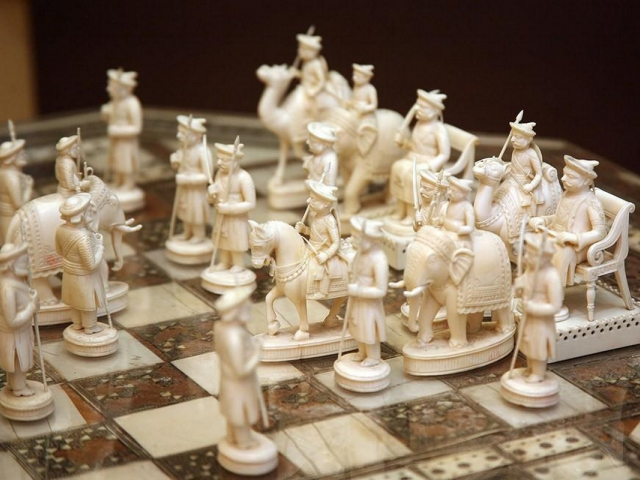
Chaturanga—birth of chess army
In the 6th century, in Gupta‑era India, chaturanga was born—the mother of modern chess. Its name translates as “four divisions of the army” and reflects the composition of the ancient Indian army: infantry, cavalry, war elephants, and chariots, led by the raja and his adviser. The game recreated a real battlefield, where the outcome depended solely on the strategic talent of the players. Traveling through Persia under the name Shatranj, it reached medieval Europe. There, chaturanga evolved into modern chess—the planet’s leading intellectual sport.
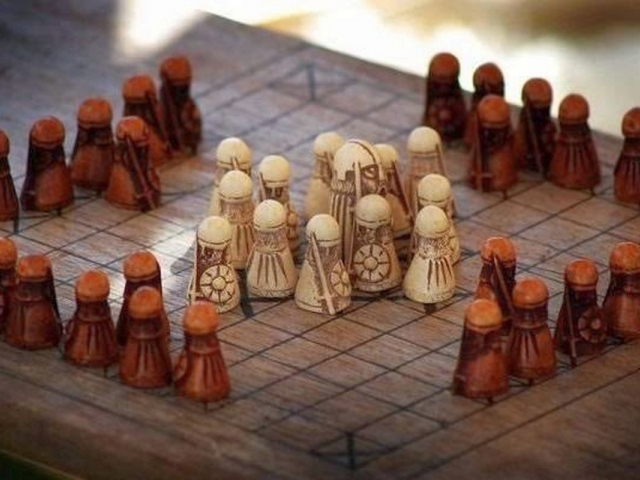
Hnefatafl—sacred tactics of Vikings
Long before chess reached Scandinavia, the harsh Norsemen spent long winter nights over hnefatafl. The game is asymmetric: the central figure of the king, with a small retinue, must break through to the corners of the board, while the numerically superior attackers try to surround and capture him. Hnefatafl developed tactical battle reading and calm under pressure. Life required hard seafarers to know how to win even when surrounded by a superior enemy. Boards made of bone and wood have been found in Viking burial ships across Europe.
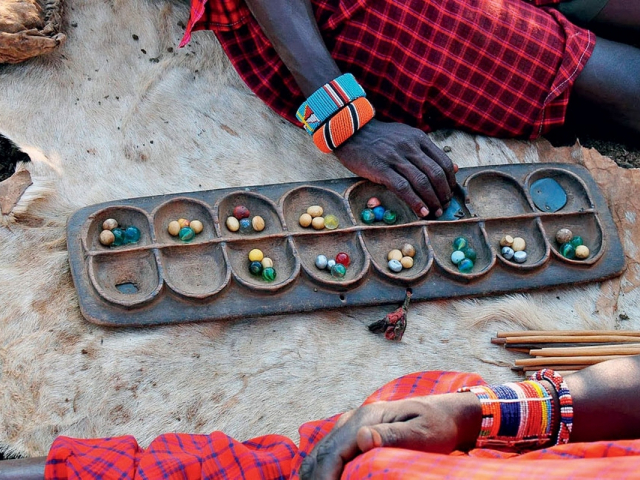
Mancala—mathematics of seeds and pits
Mancala is one of the oldest game families on the planet, with traces reaching back to ancient Ethiopia and Egypt. Unlike most board games, it has no warrior pieces. The playing field consists of pits hollowed out in wood, stone, or directly in the ground. Players move pebbles or seeds around in a circle, imitating sowing and harvesting. The gameplay looks simple, but it demands precise calculation and combinatorial thinking. Mancala remained a key social bond in communities across Africa and the Middle East, bringing together people of all ages in peaceful competition.
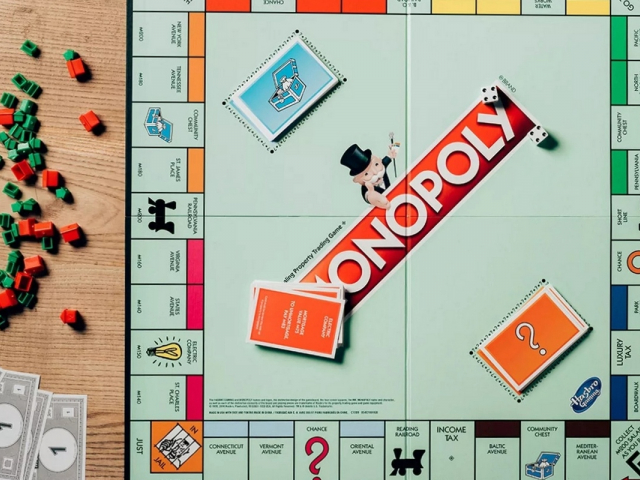
Monopoly—protest that became bestseller
Few people know that Monopoly was originally created as an anti‑capitalist manifesto. In 1903, American Elizabeth Magie patented The Landlord’s Game to show the harm caused by giant monopolies and to advocate a single tax on land. Her game had two rule sets: one rewarded cooperation, and the other rewarded ruining opponents. In the 1930s, however, Charles Darrow reworked the concept and sold it to Parker Brothers. Thus, an educational project against greed became the most commercially successful symbol of capitalism.
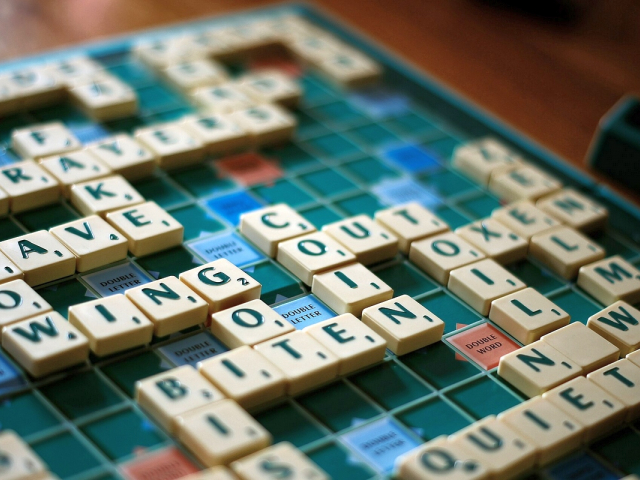
Scrabble from era of Great Depression
In 1931, unemployed architect Alfred Butts decided to create a game that combined anagrams and crosswords. He carefully analyzed the front page of The New York Times to determine how often each letter of the English alphabet was used and assigned point values accordingly. That is how Scrabble was born (called Erudit in Russian). For decades, no one wanted to buy the patent, until in the 1950s, the president of Macy’s department store happened to play it while on vacation. Today, Scrabble has been translated into dozens of languages and remains the gold standard of verbal logic games.