 Français

 Русский
 English
 Bahasa Indonesia
 Bahasa Malay
 ไทย
 Español
 Deutsch
 Български
 Tiếng Việt
 中文
 বাংলা
 हिन्दी
 Čeština
 Українська
 Română


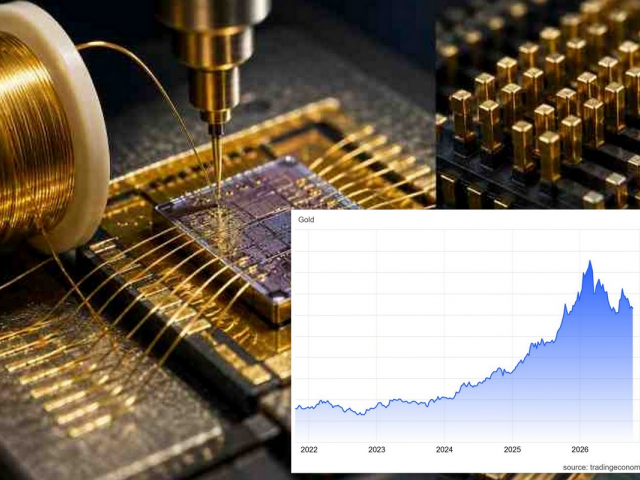
Gold—contact microelectronics
Long seen as the prime refuge against military escalation and currency storms, gold has hit fresh historical highs whenever the threat of a Hormuz shutdown looms. But there is a hidden technological foundation to the metal’s rise: gold remains indispensable in the semiconductor industry. Ultra‑fine gold wire (wire bonding) is used to mount memory chips and integrated circuits, and gold plating protects high‑speed contacts in servers used to train AI. Real demand from Silicon Valley continues to climb steadily.
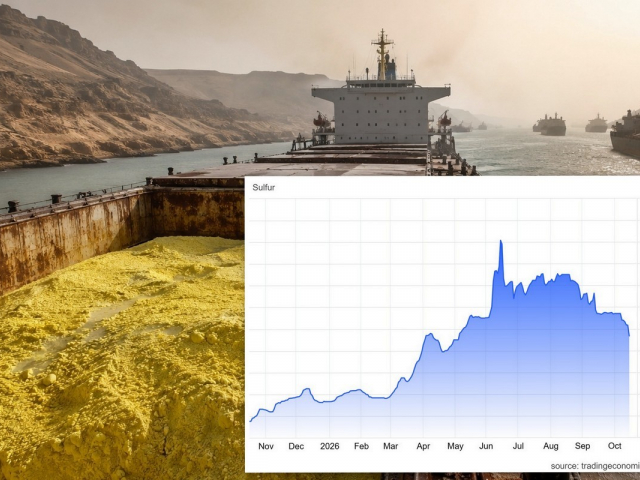
Sulfur—hidden reagent No. 1
Hormuz is the main artery for global deliveries of elemental sulfur. It is produced as a byproduct of oil and gas processing in Saudi Arabia, Qatar, and the UAE. A closure of the strait has cut off millions of tons of feedstock bound for plants across Asia and Africa, where sulfur is used to make sulfuric acid. Modern hydrometallurgical leaching of low‑grade ores—unlike smelting—consumes colossal volumes of acid. The reagent shortage has already hit chemical complexes and mining projects worldwide, turning a petrochemical byproduct into a primary production bottleneck for metals.
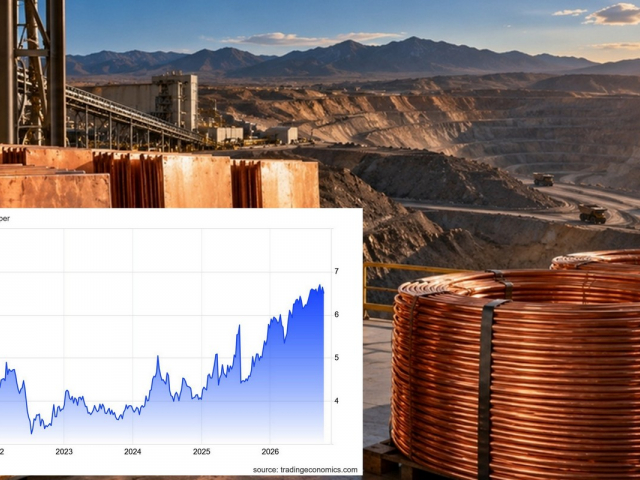
Copper—arteries for data centers
Copper is a fundamental material for electrification and data center construction. A single facility can consume up to 50,000 tons of metal for power busbars, distribution cables, and cooling circuits. While hyperscaler demand sets records, supply is squeezed by the logistics crisis. Major deposits in the Copper Belt of Central Africa depend on sea‑delivered sulfur for heap‑leach processing of oxide ores. Rising reagent costs and input interruptions have driven a rapid rally in copper prices on the London Metal Exchange.
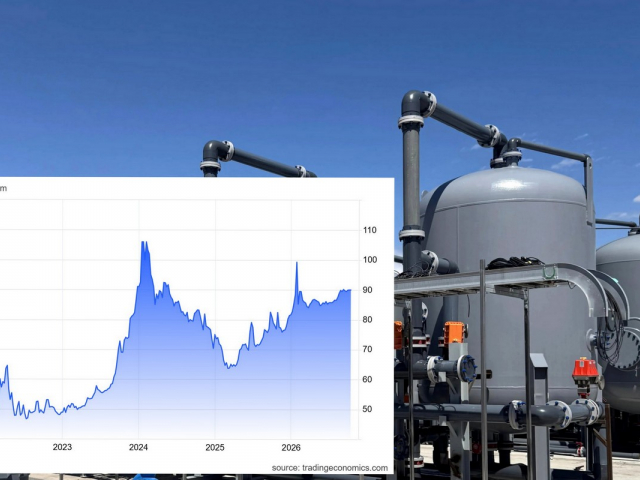
Uranium—nuclear AI renaissance
Technology giants’ desire to power server farms with clean baseload energy has sparked renewed interest in nuclear power. Uranium production, however, is vulnerable to Hormuz logistics. The world’s largest producer, Kazakhstan, uses in‑situ recovery (ISR) that requires hundreds of thousands of tons of sulfuric acid. Disruptions to acid supplies and soaring sulfur prices have already forced producers to cut output. That shortfall in feedstock has pushed spot prices for enriched nuclear fuel to multi‑year highs.
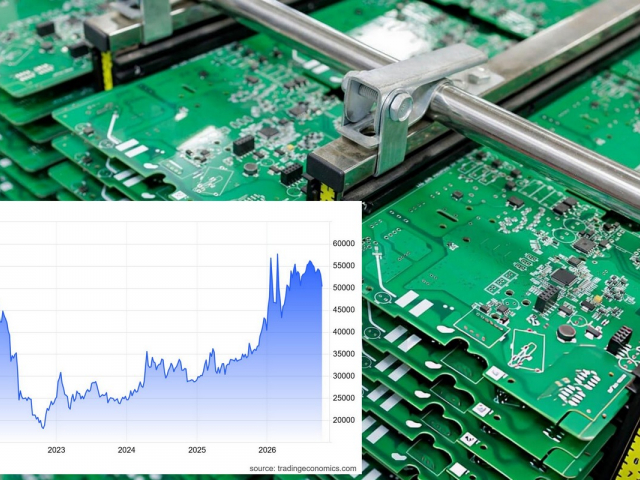
Tin—invisible “bread of electronics”
Tin is often called the invisible bread of electronics. No transistor, video chip, or memory module can be soldered to a PCB without tin‑based solder. Demand for tin has surged because of the boom in specialized servers loaded with dozens of compute accelerators. Supply is constrained by mining disruptions in Indonesia and Myanmar. With transport risks and supply interruptions, tin inventories on exchanges fell to dangerous lows, making the metal extremely sensitive to any geopolitical shock in Asia or the Middle East.
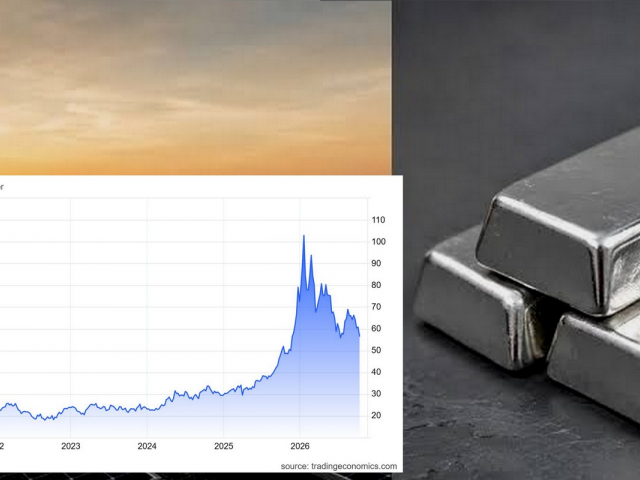
Silver—dual‑use value
Silver, the best conductor of electricity among all metals, faces a twofold demand impulse. Alongside traditional investment buying amid Middle Eastern tensions, chip and solar manufacturers are stockpiling silver. Data‑center construction has increased demand for silver paste in photovoltaic cells, while silver solders and coatings remain essential in high‑speed optical transceivers that shuttle data between processors. Silver has shifted from a passive precious metal to a scarce industrial raw material with persistent structural deficits.
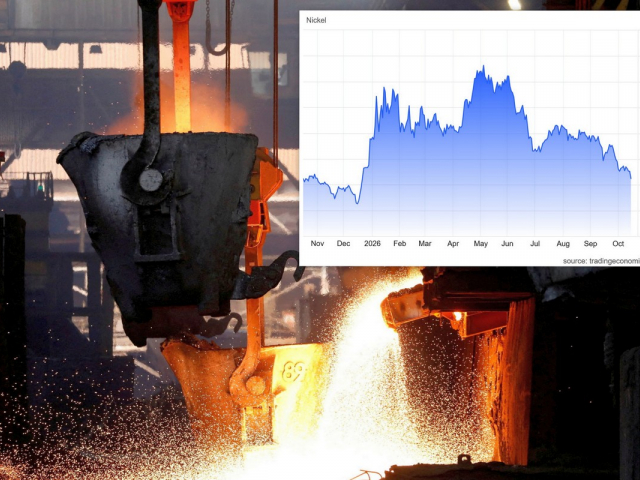
Nickel—energy networks under strain
The AI boom requires not only servers but also massive industrial batteries to smooth grid swings in data center distribution networks. High‑grade nickel is a core input for such storage. The main global center of nickel production is Indonesia, which uses pressure‑acid leaching technology. Approximately 75% of the sulfur for that process historically came from Persian Gulf suppliers. The logistics disruption has driven up production costs for Indonesian mixed hydroxide precipitate (MHP), threatening timelines for deploying new energy‑storage systems worldwide.
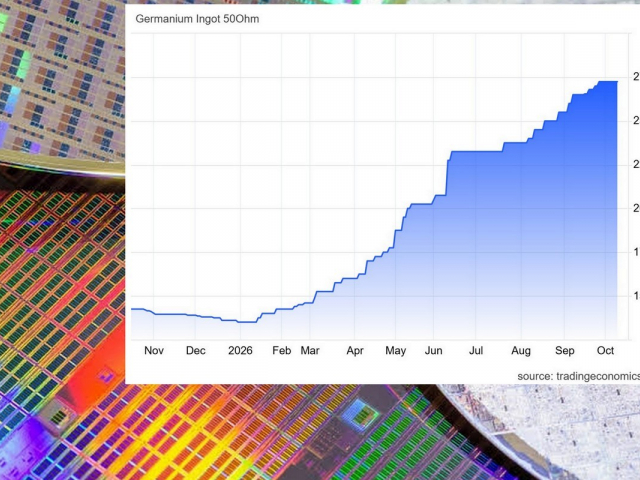
Gallium and germanium—three‑fold price spike
Gallium and germanium are critical semiconductors that determine data‑exchange speed in supercomputers. Gallium replaces silicon in compact, ultra‑powerful power modules for server racks, cutting energy losses by up to 15%. Germanium is indispensable in quartz optical fibers and photodetectors that carry traffic between processors. Export controls from China and higher transport costs have made these metals strategic, with corporations willing to pay triple prices to avoid equipment downtime.
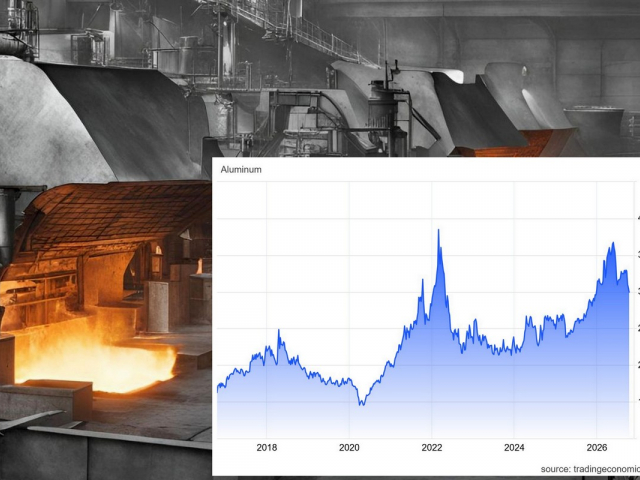
Aluminum—light but expensive
As copper prices surged, network operators and builders of AI energy campuses accelerated substitution to aluminum conductors. Aluminum is now widely used in high‑voltage lines, server cases, and cooling radiators. The metal is extremely energy-intensive to produce, however. The Hormuz crisis pushed up energy costs and made aluminum smelting unprofitable in some regions. Cuts to primary aluminum production, combined with rising demand from energy and IT sectors, turned aluminum into one of the winners of the commodity rally.