 বাংলা
বাংলা 
 Русский
 English
 Bahasa Indonesia
 Bahasa Malay
 ไทย
ไทย Español
 Deutsch
 Български
 Français
 Tiếng Việt
 中文
中文 हिन्दी
 Čeština
 Українська
 Română

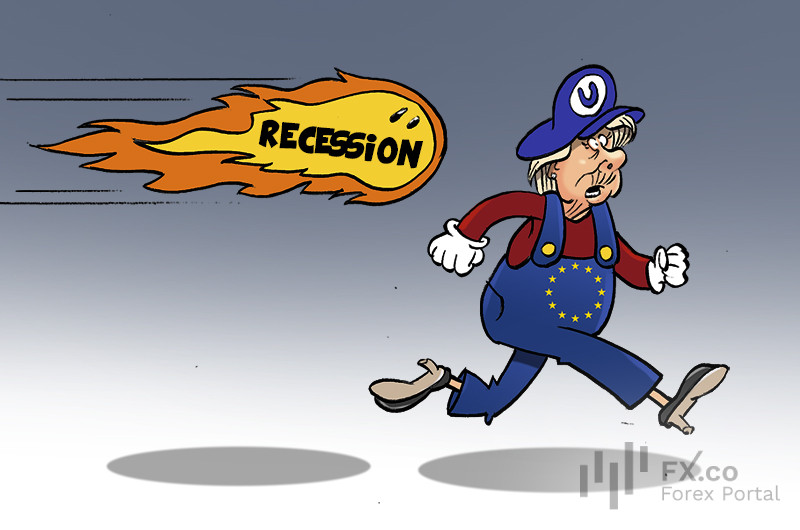
Analysts at BofA Global Research have revised their outlook for the euro area in the face of continued volatility in commodity markets. Now, they expect the region to avoid a technical recession this year, though recovery in business activity will remain very subdued owing to sustained pressure from energy prices and a slowdown in disinflation.
The bank lowered its GDP growth forecast for the euro area, projecting growth of just 0.6% for 2026. The weak pace reflects a prolonged shock to the energy sector that is constraining private investment and eroding household purchasing power.
The updated macroeconomic projections assume an extended period of elevated fossil fuel prices. BofA analysts assume Brent crude at around $100 a barrel and TTF natural gas prices near €80 per megawatt-hour over the coming winter season.
The revision trims aggregate growth prospects by 90 basis points relative to the bank’s prior estimates. Consumer spending will partly offset the drag as households reduce their saving rates. However, fiscal discretionary support from governments is expected to remain limited, at no more than 0.3% of GDP in aggregate.
BofA projects that eurozone inflation will average 3.3% for 2026, before slowing to about 2.1% thereafter. Although the region is forecast to avoid a formal recession, industrial output is expected to remain below its pre‑crisis trajectory through to the end of the fourth quarter.