 বাংলা
বাংলা 
 Русский
 English
 Bahasa Indonesia
 Bahasa Malay
 ไทย
ไทย Español
 Deutsch
 Български
 Français
 Tiếng Việt
 中文
中文 हिन्दी
 Čeština
 Українська
 Română

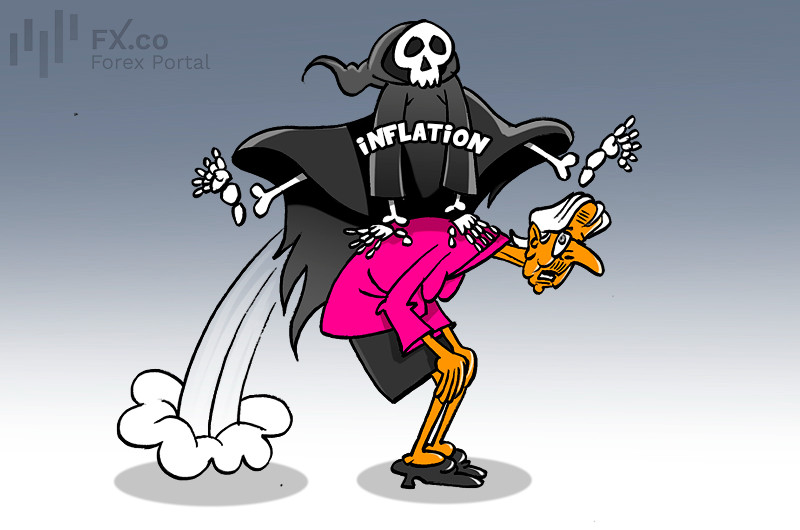
Inflation in the four largest economies of the eurozone has remained above the European Central Bank’s target of 2% for the third consecutive month. According to preliminary data published for May, consumer prices in the region continue to show a persistent upward trend. In France, inflation accelerated to 2.8% compared to 2.5% in April. In Italy, the rate surged to 3.2%, up from 2.7% the previous month, while in Spain, the pace of price growth stabilized at a high level of 3.2%.
On the whole, a slight decrease in price pressure has been observed in several federal states of Germany, including Bavaria and Baden-Wurttemberg. This is attributed to Berlin’s emergency introduction of temporary fuel subsidies for May and June to mitigate the sharp rise in gasoline prices.
Key domestic drivers of inflation in Southern Europe include the transportation sector and the entertainment industry, which have seen the most significant price increases in Spain and Italy. In France, a major contributing factor has been the sharp rise in the cost of fresh food, which jumped by 4.1%, along with moderate increases in the service sector.
In the commodity market, oil prices have been steadily declining since the end of April, with futures for North Sea Brent crude dropping to $92 per barrel from spring peak levels of $118. Despite this local relief, market prices remain significantly above the long-term level of $70 per barrel observed before the outbreak of full-scale armed conflict between the United States and Iran.
The overall report for the eurozone is expected to show May inflation at 3.3%. Meanwhile, core inflation, which excludes the most volatile components, such as energy, food, alcohol, and tobacco, is projected to come in around 2.4%. The rising core metrics within individual countries remain a significant concern for monetary authorities. For instance, core inflation in Italy increased from 1.6% to 1.8%, while in Spain, it accelerated to 2.9% compared to 2.8% in April, indicating a deep entrenchment of inflationary processes within the European economy.
Comments: