 বাংলা
বাংলা 
 Русский
 English
 Bahasa Indonesia
 Bahasa Malay
 ไทย
ไทย Español
 Deutsch
 Български
 Français
 Tiếng Việt
 中文
中文 हिन्दी
 Čeština
 Українська
 Română

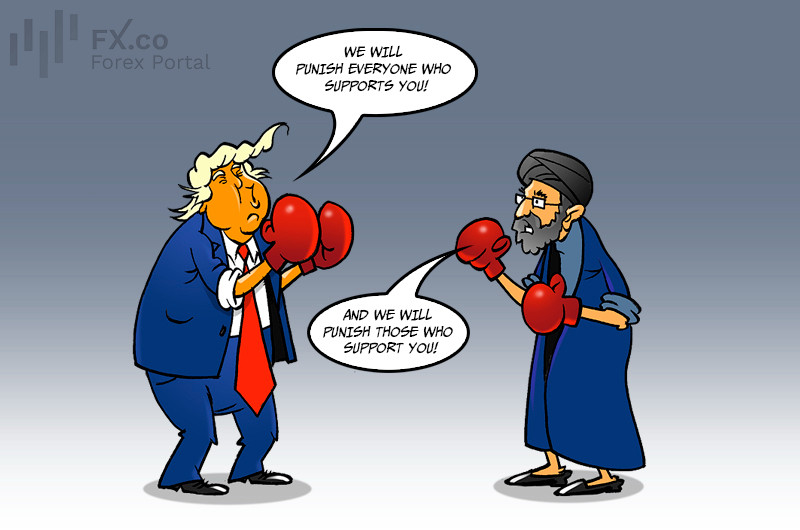
Iran has warned neighboring states of large‑scale retaliation if they join a new US sanctions campaign. Support for American restrictions will automatically turn neighbors into enemies of the republic and put their interests directly at risk.
The hardline rhetoric preceded an expected address by US Treasury Secretary Scott Bessent. On Monday, the Trump administration planned to announce a package of measures the White House described as the toughest sanctions in Iran’s history.
Asia is the primary target of the new pressure. Washington intends to hit independent Chinese refineries that purchase Iranian crude and major Chinese banks that process payments. In 2025, Beijing bought more than 80% of all seaborne exports of Iranian oil, so secondary US sanctions could trigger forceful countermeasures from Chinese authorities.
Iranian officials acknowledge the severity of the situation. President Masud Pezeshkian described the conflict as a “full‑scale economic war” and called for an end to the stalemate of “neither war nor peace,” which has effectively blocked investment inflows. While moderate figures such as Pezeshkian and the speaker of parliament seek diplomatic options to salvage the economy, the conservative wing continues to demand military escalation.
Against the diplomatic deadlock, the Strait of Hormuz remains effectively paralyzed. Tehran refuses to reopen the key shipping artery until the US maritime blockade on its ports is fully lifted, permitting only isolated vessels to pass. According to the US Department of Energy, oil transit volumes through Hormuz have already collapsed by more than half—from prewar 20 million to 8 million barrels per day.