 বাংলা
বাংলা 
 Русский
 English
 Bahasa Indonesia
 Bahasa Malay
 ไทย
ไทย Español
 Deutsch
 Български
 Français
 Tiếng Việt
 中文
中文 हिन्दी
 Čeština
 Українська
 Română

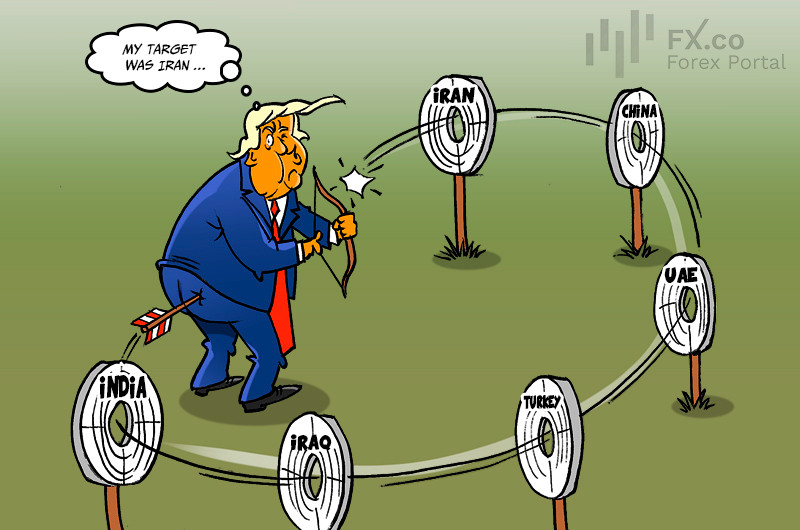
The United States has launched a large-scale economic blockade of Iran. The White House’s main objective is to choke off Tehran’s financial flows and close global markets to the country. Any foreign companies and banks risk facing severe US fines if they continue to do business with Iranian counterparts.
China: dollar settlements prioritized
Beijing purchases 90% of Iran’s crude‑oil exports. Official trade between the two countries totaled $10 billion in 2025. Shadow fuel deliveries to private Chinese refineries, arranged to bypass the dollar, added another $31 billion. Chinese state banks fear losing access to the US financial system and the American market. Bank management is tightening internal transaction screening and imposing strict controls on transfers, de facto blocking payments with an Iranian nexus.
White House initiative carries direct risks for other regional counterparts of Tehran:
• the UAE: Trade between the countries totaled $28 billion in 2024—30% of all Iranian imports. After missile strikes on tankers, Emirates authorities froze direct trade operations and bank transfers. The decision blocks informal capital outflow channels that had operated through Dubai financial structures.
• Turkey: Trade stands at $5.7 billion, and Iranian gas accounts for 19% of the country’s energy mix. Ankara is lowering risks by buying fuel from Azerbaijan and Russia but has not yet torn up existing contracts with Tehran.
• Iraq: Iranian fuel supplies account for 30% of the country’s electricity generation. Baghdad pays Iran $4–$5 billion a year for resource shipments. Washington’s sanctions threaten to fully block interbank payments for that gas.
• India: Trade fell to $1.6 billion by March 2026. In April, Indian firms resumed purchases of Iranian oil. Local refineries now risk falling under restrictions and losing international contracts.