 বাংলা
বাংলা 
 Русский
 English
 Bahasa Indonesia
 Bahasa Malay
 ไทย
ไทย Español
 Deutsch
 Български
 Français
 Tiếng Việt
 中文
中文 हिन्दी
 Čeština
 Українська
 Română

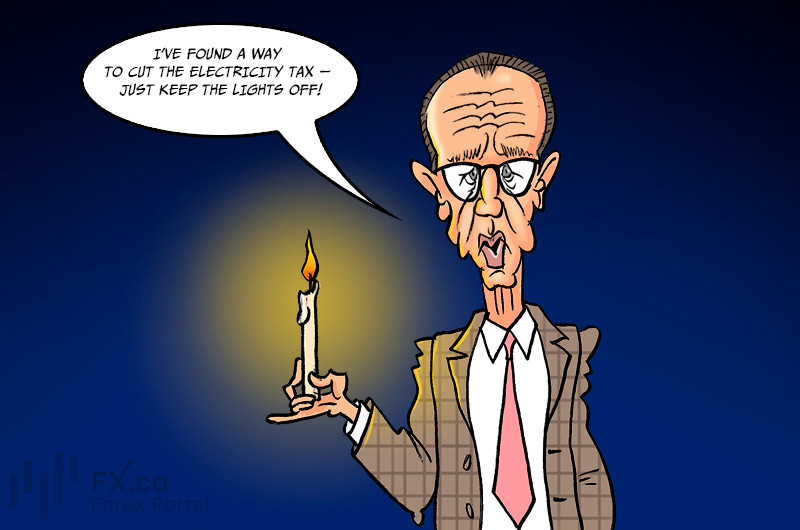
Chancellor Friedrich Merz has announced plans to cut the electricity tax for all consumer categories to the minimum level permitted within the European Union. The statement followed consultations with conservative party members alarmed by vote losses to far‑right forces in recent regional elections. Authorities expect the relief to ease financial pressure on households and restore public confidence after a planned reform was abandoned last year due to budgetary constraints.
The electricity tax has been in place since 1999 as part of environmental reforms and currently stands at €0.0205 per kWh for households. Some industrial sectors already benefit from a preferential EU rate of €0.0005 per kWh, and the government now intends to extend that tariff to all residents. Implementing the plan would cost about €5 billion, funds the government expects to cover through higher tax receipts if economic growth meets forecasts.
Berlin’s initiative aims not only to support household purchasing power but also to enhance the national economy’s competitiveness amid high energy costs. Political leaders are seeking to seize the agenda from the opposition by demonstrating readiness to respond swiftly to citizens’ complaints. If positive economic momentum continues, a large-scale cut in power levies will become one of the most significant tax relief measures in recent years.