 বাংলা

 Русский
 English
 Bahasa Indonesia
 Bahasa Malay
 ไทย
 Español
 Deutsch
 Български
 Français
 Tiếng Việt
 中文
 हिन्दी
 Čeština
 Українська
 Română


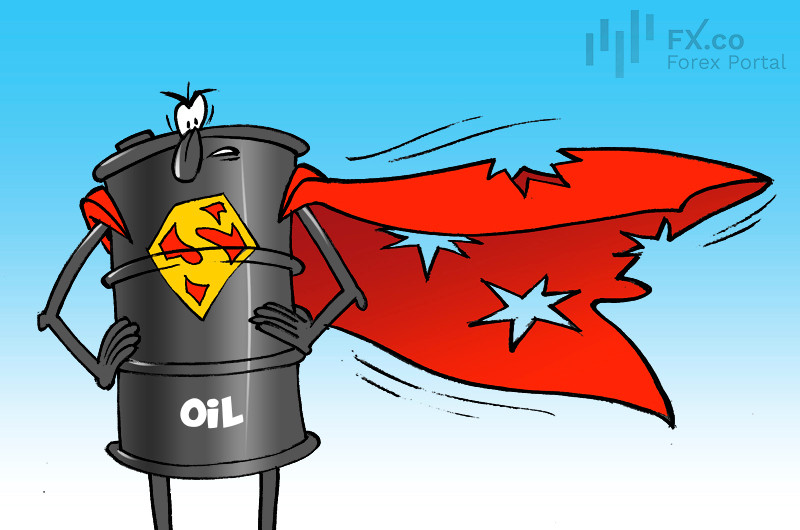
Global oil prices jumped on October 28 as renewed fears of a widening and protracted Middle East conflict roiled markets. The immediate trigger was a Houthi claim of a ballistic‑missile strike on the Ras Tanura refining complex, Saudi Arabia’s largest refinery and a cornerstone of Gulf processing capacity, CNBC reports. As a result, Brent futures briefly climbed by 1.58%, reaching $115.68 per barrel.
Traders’ nervousness has been further agitated by mixed signals from Washington. At a campaign rally in Texas, US President Donald Trump said any armed confrontation with Tehran would end on American terms and insisted that a complete ban on Iran’s ability to develop nuclear weapons would be non‑negotiable in any settlement. At the same time, the president has previously indicated he is weighing a diplomatic deal as an alternative to sustained hostilities, leaving commodity markets in a state of uncertainty.
The situation is compounded by political developments in Israel, where preliminary election results point to a likely prolonged stalemate: neither Benjamin Netanyahu’s bloc nor his main rival, Gadi Eisenkot, appears to be winning a decisive majority. The prospect of months of coalition wrangling makes Israel’s policy toward Iran harder to predict. Against a backdrop of possible supply disruptions from the Persian Gulf, a sizeable geopolitical risk premium remains a principal factor supporting oil prices.