 বাংলা
বাংলা 
 Русский
 English
 Bahasa Indonesia
 Bahasa Malay
 ไทย
ไทย Español
 Deutsch
 Български
 Français
 Tiếng Việt
 中文
中文 हिन्दी
 Čeština
 Українська
 Română

DRO trajectory: journey into deep isolation
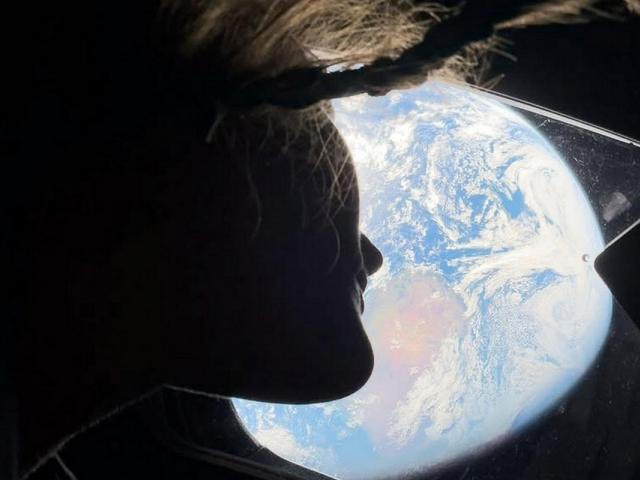
One of the most exciting aspects of the Orion flight is its use of a Distant Retrograde Orbit (DRO). The spacecraft ventured more than 430,000 kilometers away from Earth, setting a world record for crewed spacecraft. Orion traveled in the opposite direction of the Moon's orbit around Earth. This maneuver is not just a navigational trick; it tests the ship’s stability in a deep vacuum and radiation environment, where the gravitational forces of the Moon and Earth counterbalance each other.
Helga, Zohar, and AstroRad vests
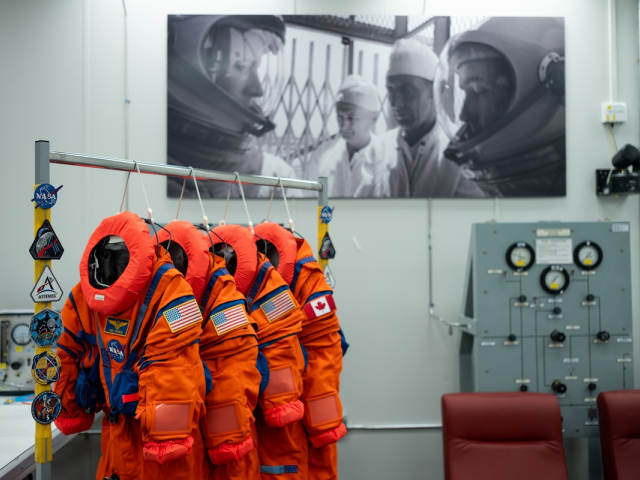
During Orion’s initial trials, there were no astronauts onboard, but there were their “stand-ins”— anthropomorphic dummies Helga and Zohar. Equipped with thousands of sensors, these dummies measured the radiation exposure astronauts would face beyond Earth’s protective magnetic field. The uniqueness of this experiment lies in testing the special AstroRad vests, which allowed scientists to view the human body in space as a fragile system. In deep space, the primary threat is not the cold or vacuum but rather the invisible particles that can penetrate metal.
Moon’s far side: selfies against eternity
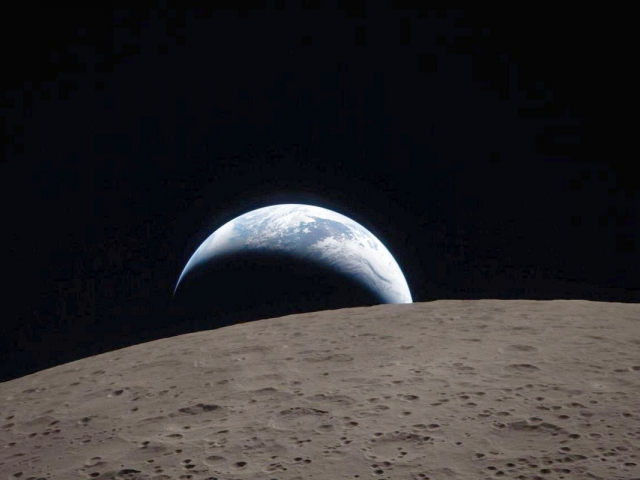
As Orion flew just 130 kilometers above the lunar surface, its cameras captured breathtaking images of the Moon’s far side. These pictures starkly contrast with the familiar views of the near side, showcasing a surface marked by significantly more craters. However, the most emotional moment came when Earth “rose” above the lunar horizon. The photograph of our Blue Planet in the vast emptiness served as a powerful reminder of how small we are and how crucial Orion is as a link between our home, Earth, and the unknowns of space.
Conquering space through global cooperation
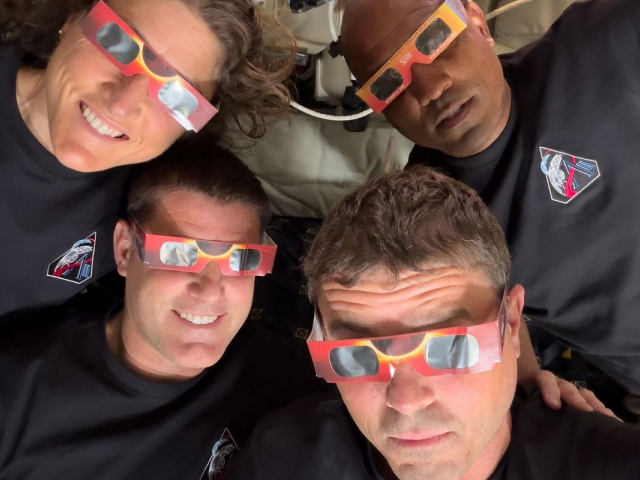
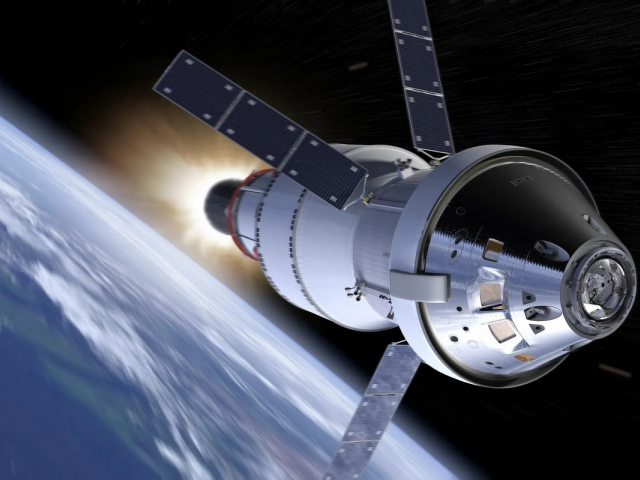
The success of the Orion mission is a testament to global cooperation. The European Service Module (ESM) is responsible for the spacecraft’s propulsion, energy, and life support systems. This unique technological hub provides Orion with water, oxygen, and maintains the necessary temperature. Viewing the spacecraft as a modular system developed by various countries reflects a new philosophy of space exploration. The ESM is proof that international collaboration is the only effective fuel for interplanetary travel.
Optical navigation: spacecraft’s vision
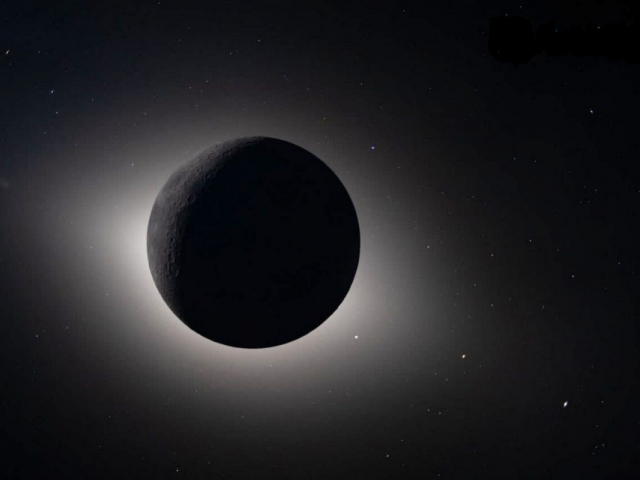
Orion is equipped with a unique optical navigation system known as OpNav. The spacecraft can autonomously determine its location by photographing the Moon and Earth, comparing their sizes and positions against star maps. This capability makes Orion independent of ground communication stations during critical moments. We have achieved a new level of autonomy: the spacecraft has evolved from being a "remote-controlled puppet" to a smart robot capable of navigating space through its own "vision." This skill is crucial for missions where signal delays can span several minutes.
Gateway: Moon as transit hub
Orion’s flights serve as a final test before the construction of the Gateway station in lunar orbit. We no longer view the Moon as a final destination; it has become a transit hub. The experience gained from orbiting the Moon has validated the viability of an orbital station concept, where spacecraft can refuel and change crews. If the Moon can become a "gateway," then Orion serves as a reliable key to that gateway. Conquering space is a matter of logistics and reliable routes, not just one-time heroic feats.