 বাংলা
বাংলা 
 Русский
 English
 Bahasa Indonesia
 Bahasa Malay
 ไทย
ไทย Español
 Deutsch
 Български
 Français
 Tiếng Việt
 中文
中文 हिन्दी
 Čeština
 Українська
 Română

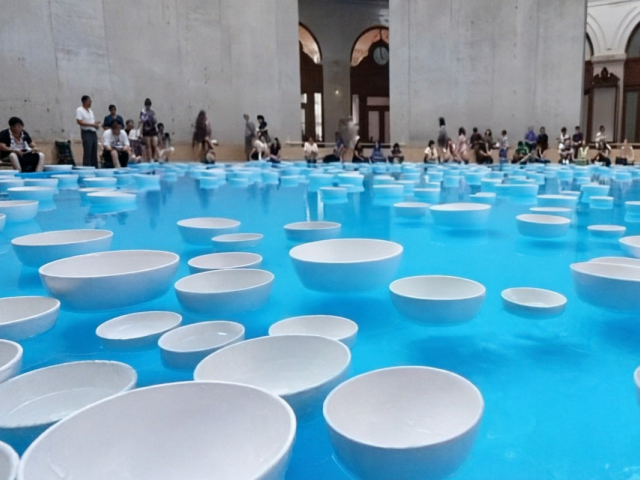
Symphony of porcelain
This unusual form of sound therapy has quickly become an elite relaxation practice. Instead of the familiar Tibetan singing bowls, acoustic relaxation fans use thin-walled porcelain tableware. Organizers of these “porcelain concerts” have gone even further, setting porcelain bowls afloat and letting the “music” be made by the movement of water. Crystal-clear, barely perceptible vibrations, light touches, and soft high-frequency chimes deliver a feeling of unprecedented lightness and emotional clarity. The brain interprets these sounds as a signal of complete safety and lowers cortisol levels.
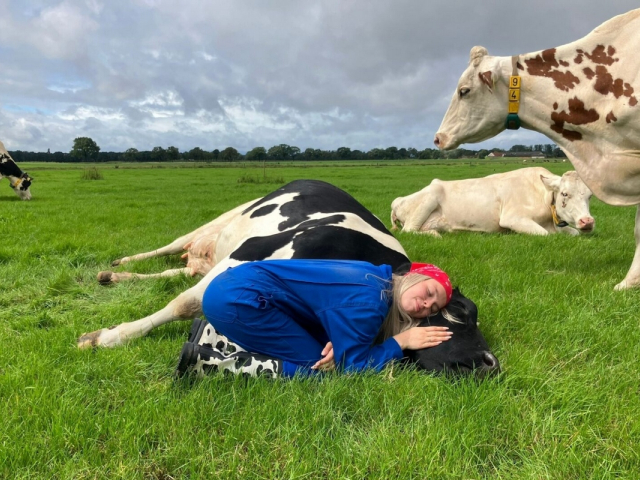
Cow hugs
In the Netherlands, a practice called Koe Knuffelen (cow cuddling) has evolved from a farmside novelty into a recognized therapy. Participants are brought to a pasture where they can lie cuddled up to large domestic cows for hours. A cow’s body temperature is slightly higher than a human’s, and its heart beats more slowly and rhythmically. When a person presses against the warm flank and feels the animal’s measured breathing, their own autonomic system automatically synchronizes with that calm rhythm. This triggers a powerful release of oxytocin, which blocks anxiety and panic.
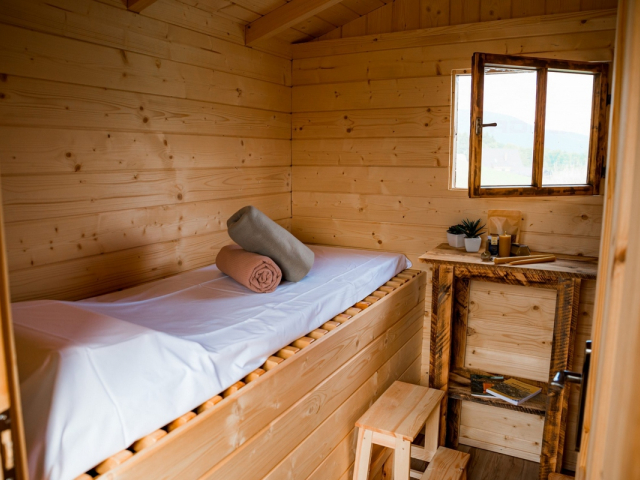
Sleeping on hives
A special form of apitherapy — sleeping on wooden beehives — has gained popularity in Eastern Europe and the Alps. The guest lies on a special bed placed directly above hundreds of thousands of working bees but without direct contact with the insects. The microvibrations created by the bees’ wings and the monotonous hum at roughly 432 Hz are ideal for relaxing the human brain. Breathing air perfumed with propolis, honey, and essential oils, a person sinks into deep, restorative sleep, slowing the pulse and easing long-standing muscle tension.
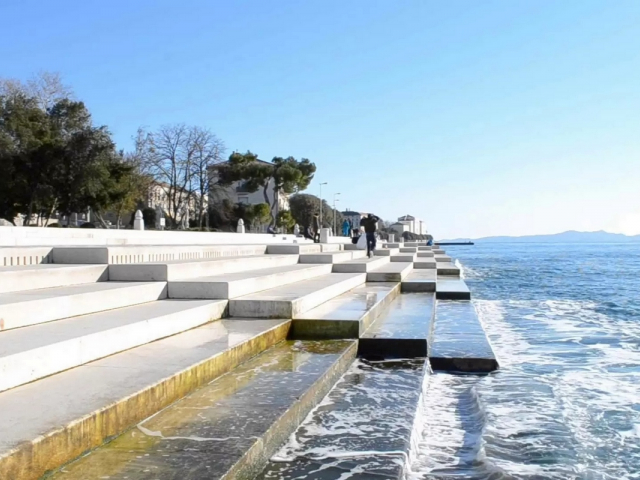
Sea organ of Zadar
On the Croatian coast in the city of Zadar, architect Nikola Bašić created a unique installation — the Sea Organ. Dozens of polyethene pipes of various lengths and diameters, each with a whistle, are embedded beneath the stone steps of the waterfront. Waves and wind push air through the pipes, so the Sea Organ’s sound is impossible to predict. It ranges from a gentle whisper to a deep, mesmerizing roar. Hundreds of people come daily to sit on the steps for hours and sink into a meditative trance to the sounds generated by the sea itself.
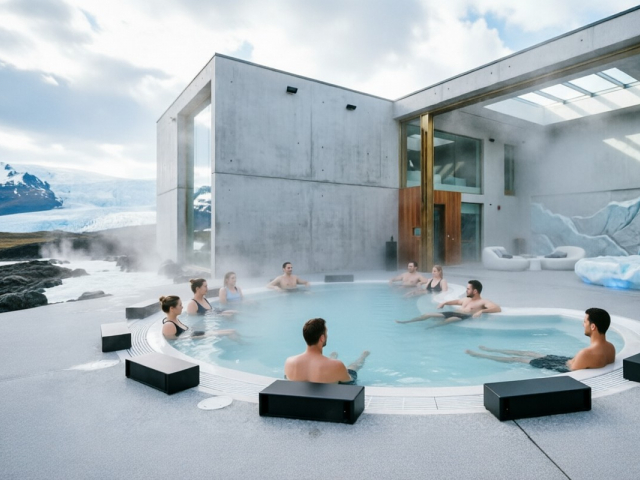
Glacial acoustics
A cutting-edge audio-relaxation format has emerged in Icelandic and Arctic spas, created from the acoustics of melting ice. Participants settle into warm thermal pools while ultra-high-resolution speakers play recordings from deep within ancient glaciers. As centuries-old ice melts, microscopic bubbles of compressed air burst, producing a unique glass-like crackle akin to the tinkle of thousands of tiny bells. These sounds instantly switch off internal dialogue and plunge the listener into absolute visual and auditory calm.
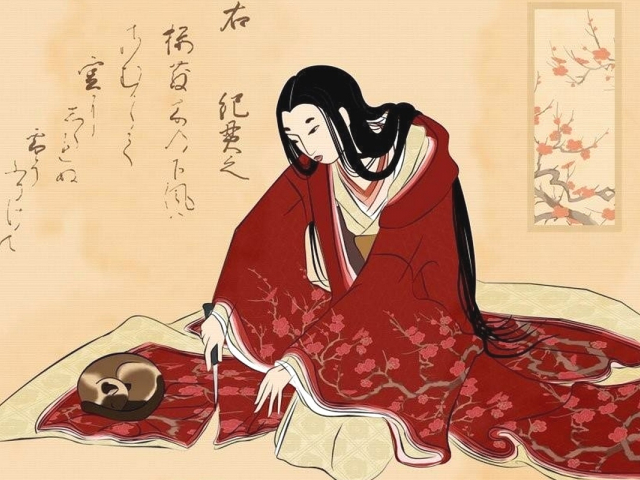
Cat purr therapy
Japanese and European neuroscientists have reproduced the relaxing effect of a cat’s purr on a large scale inside acoustic capsules. Low-frequency vibroacoustic speakers in a soft dome generate sound at 20–50 Hz — the range at which cats purr — which stimulates tissue regeneration and relieves human stress. The gentle vibration passes through the whole body, normalizes blood pressure, and induces deep relaxation comparable to several hours of quality sleep. It also alleviates feelings of loneliness.
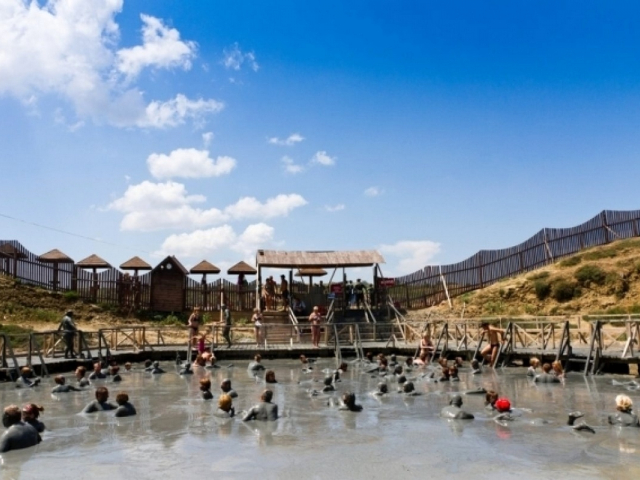
Volcanic resonance
At geothermal resorts in New Zealand and Japan, visitors enjoy baths of volcanic mud accompanied by a natural subterranean hum. Deep underground, boiling mineral flows burst to the surface, producing a low-frequency, muffled drone and the rhythmic hiss of bubbling pockets. Warm, mineral-rich mud relaxes muscles and joints while the faint subsurface murmur of the Earth acts as natural white noise. People feel complete safety and unity with the planet, losing track of time and shedding chronic fatigue.
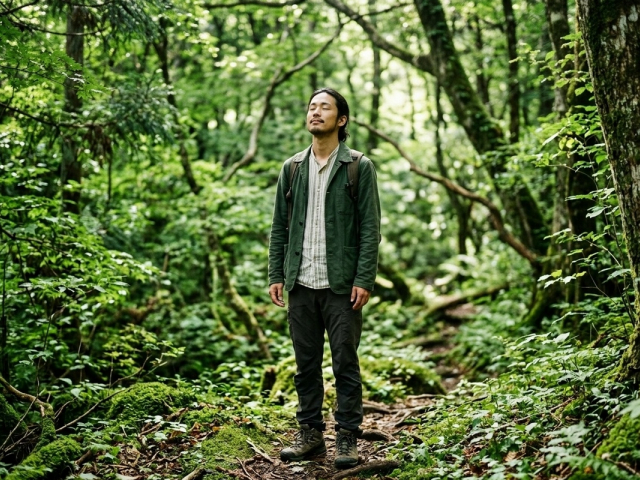
Rustle of shinrin-yoku
Japan’s national practice of “forest bathing” (shinrin-yoku) has evolved into a rigorously science-based method of restoration. Participants head into the wild forest with a guide, but their main task is not walking — it’s auditory and tactile immersion. People lie down on mossy ground and focus on acoustic details: the rustle of bamboo leaves in the wind, the creak of ancient pines, and drops of dew falling from needles. The combination of forest phytoncides in the air and natural woodland sounds reduces stress hormones by a record 30%, returning the mind to a state of harmony.
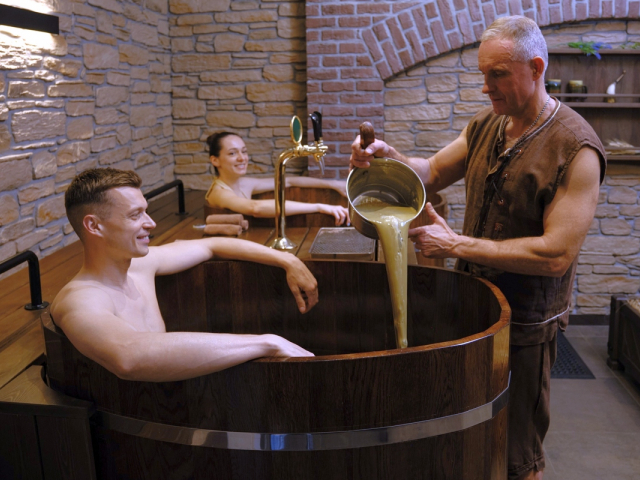
Oak beer spa
So-called beer spas have become hugely popular in the Czech Republic and Austria. Relaxation takes place in solid oak vats filled with warm mineral water and natural brewer’s wort, malt, hops, and brewer’s yeast. Natural hops contain sedative compounds and essential oils that are released into the steam at high temperatures. Inhaling hop-infused vapors combined with the heat of the bath relaxes muscle tone, calms the nervous system, and guarantees an incredibly deep, soothing sleep after the procedure.