 বাংলা
বাংলা 
 Русский
 English
 Bahasa Indonesia
 Bahasa Malay
 ไทย
ไทย Español
 Deutsch
 Български
 Français
 Tiếng Việt
 中文
中文 हिन्दी
 Čeština
 Українська
 Română

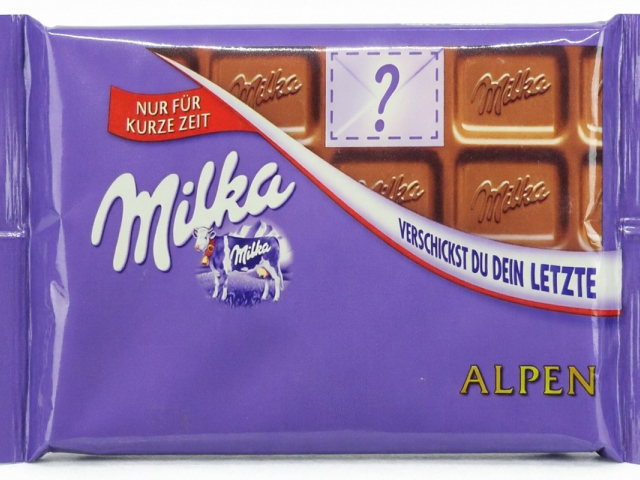
Last piece for your loved one
Milka ran a brilliant campaign, releasing a million chocolate bars that were each missing exactly one square. Marketers played on a universally familiar feeling: the last square is the most desired, and giving it away is the highest expression of love. Inside the pack was a code. By following it to a website, the buyer could choose to claim the missing piece for themselves or send it free by real mail to anyone, accompanied by a touching note. By letting millions of people share a little warmth, Milka generated massive viral reach.
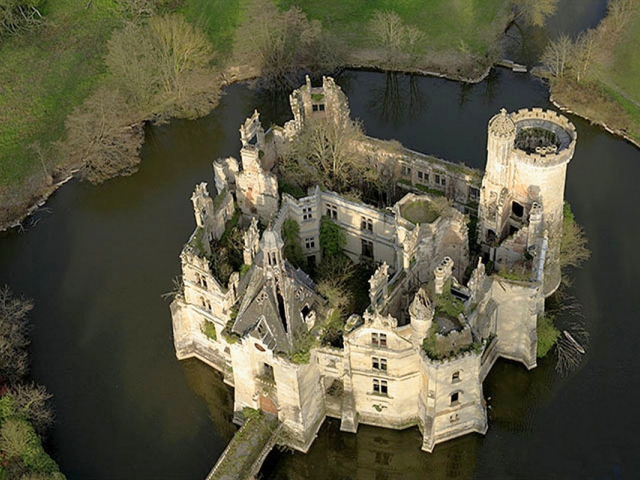
Buy castle! Fairy tale included!
French startup Dartagnans made a breakthrough by launching a collective purchase of ancient castle ruins. Thousands of people from 100 countries spared €50 each to buy the abandoned Château de la Mothe-Chandeniers. In return, every participant received official co-owner status, access to restricted areas, and a vote in restoration decisions. Marketers did not sell cold assets but a childhood dream: the ability to proudly say “I own a castle in France” and feel like a genuine patron saving history from ruin.
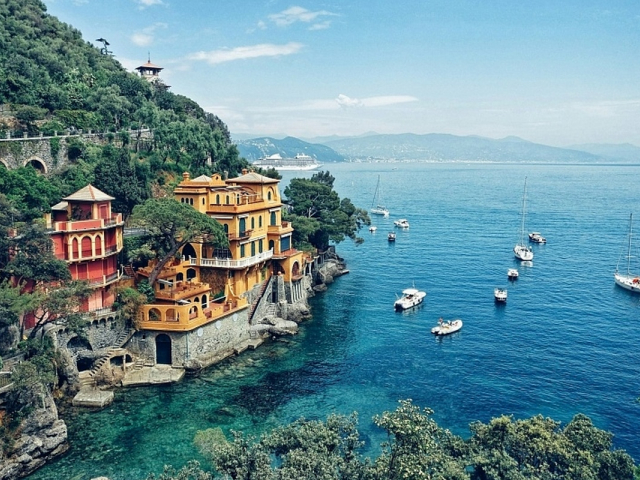
Sicily for €1
Abandoned Sicilian villages, like Sambuca di Sicilia, launched a viral campaign selling old houses for just €1. Of course, buyers are required to invest thousands of euros to renovate the properties, but the emotional hook worked immediately. Authorities are not selling crumbling ruins but a glossy fantasy: the dream of a slow life under the sun, a glass of wine on your own terrace, and a second home in old Europe. Thousands of foreigners rushed to buy houses, spending their savings for a romantic escape from urban life.
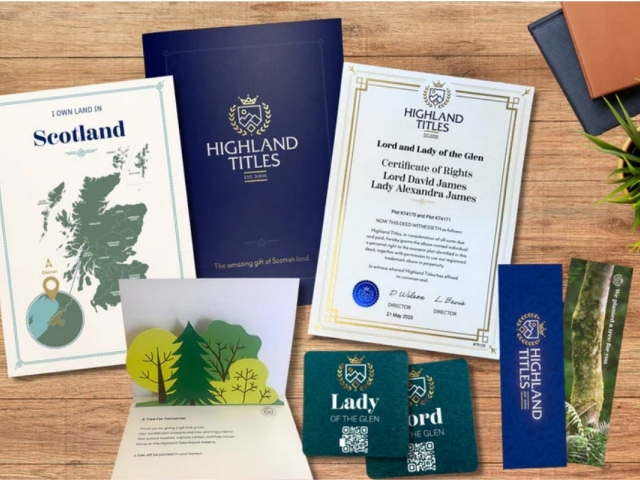
Become lord for one square foot
Scottish company Highland Titles turned vanity and love of history into a multimillion-dollar business. Anyone can buy exactly one square foot of land in a local nature reserve. Thanks to a legal loophole, the owner of this micro-plot can legitimately style themselves “Lord” or “Lady.” The company sells not a scrap of land but a realized dream of noble origin. Buyers receive a handsome certificate, a coat-of-arms stamp, and the feeling that they personally protect wild nature. Hundreds of thousands worldwide have fallen for this marketing lure.
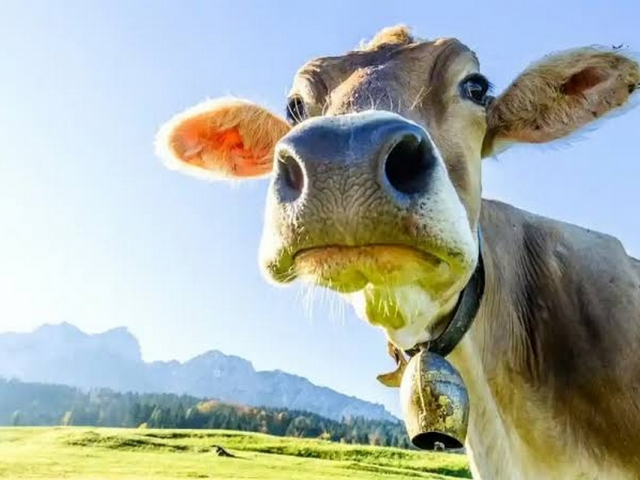
Feeling nostalgic? Adopt cow!
In Italy and Switzerland, sponsorship schemes for farms have become hugely popular. For a fixed fee, any city dweller can supervise an Alpine cow or a grapevine. Over the year, the adopter receives photos of “their” animal, health reports, and updates on milk yields. At the end of the season, they get a wheel of cheese or a personalized bottle of wine with their name on the label. The project rests on warm feelings of guardianship and nostalgia for rural roots: people buy not just products but a personal emotional connection to the land.
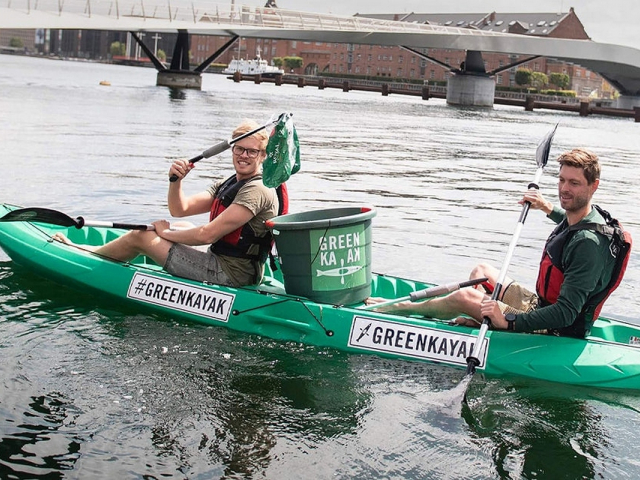
Go green — get coffee
In Copenhagen, the CopenPay eco project made conscious behavior the main currency. Tourists earn free meals, kayak rentals, coffee, or museum tickets not by paying money but by doing useful acts: collecting plastic from the street, riding a bike, or working in a community garden. It is a brilliant move that plays on ecological pride. The tourist does not get a mere discount but moral reward and the status of being responsible. Businesses and city authorities converted a standard service into genuine love and respect from visitors.
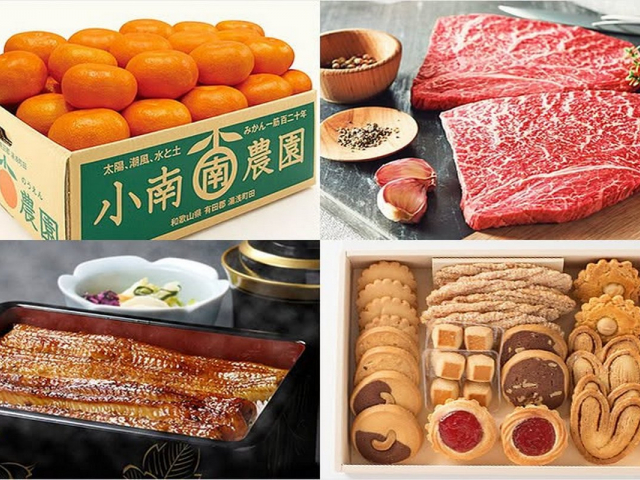
Tax for delicacies? With pleasure!
In 2008, Japan launched the unique “furusato nozei” (hometown tax) program to save depopulating regions. The mechanics are simple: a resident of a metropolis can redirect part of their income tax to any rural town. The state returns almost the whole amount via a deduction, except for a fixed ¥2,000, and the grateful province sends the “donor” gifts — wagyu beef, snow crab, or premium rice. People end up paying essentially the same money they always did, but they show care and receive gourmet shopping courtesy of the government.

Playing on nostalgia
Over time, the competition among Japanese towns for city money became a battle of emotional marketing. Since 99.5% of participants choose a region for the gift, municipalities began offering unique experiences in return. Instead of tax refunds, people can get a night in a historic manor or a sword-forging masterclass. But the most touching tactic has been emotional reporting: donors receive photos of smiling children on a new playground built with their funds. The donor buys not just a tax break but the soul-warming feeling that they personally rescued a village from fading away.