 বাংলা
বাংলা 
 Русский
 English
 Bahasa Indonesia
 Bahasa Malay
 ไทย
ไทย Español
 Deutsch
 Български
 Français
 Tiếng Việt
 中文
中文 हिन्दी
 Čeština
 Українська
 Română

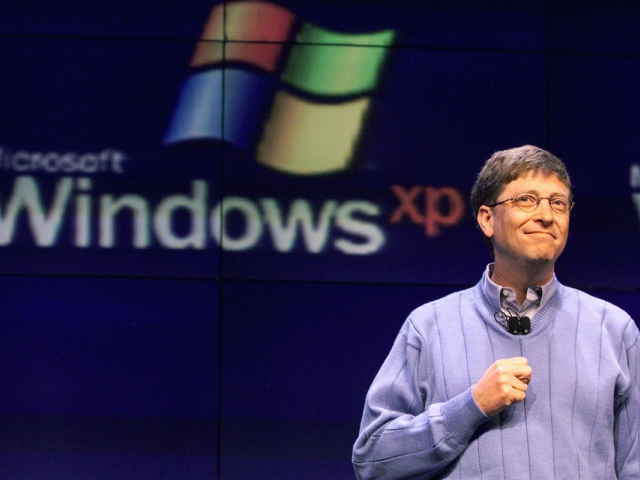
Bill Gates: architect of computer era
Microsoft founder Bill Gates held the title of the world’s richest person a record 16 times between 1995 and 2017. In the late 1990s, his fortune exceeded $100 billion for the first time in history amid the dot‑com boom and mass PC adoption, and Windows became the de facto standard for personal computers. His leadership seemed unassailable for more than a decade, until he gradually stepped back from running the company. Bill Gates transferred a significant portion of his shares to the Bill & Melinda Gates Foundation, reshaping the idea of philanthropic capital.
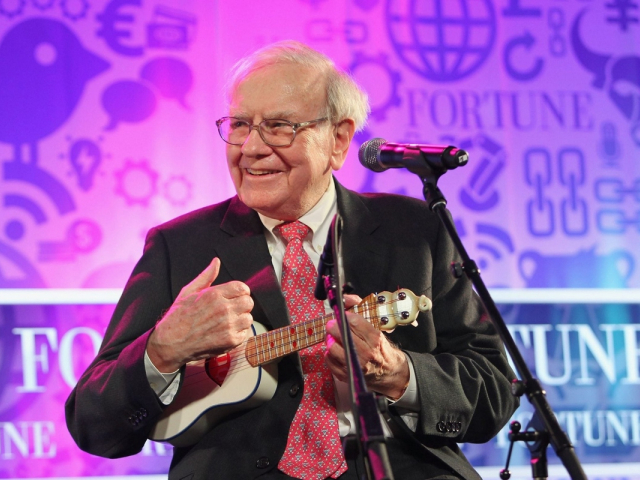
Warren Buffett: power of traditional investing
Legendary Berkshire Hathaway chief Warren Buffett displaced Gates at the top in 2008, proving the power of disciplined, long‑term investing. Buffett made billions from everyday consumer businesses — insurance, railroads, and banking. His ability to find undervalued companies with durable “financial moats” made the Oracle of Omaha an icon of classic capitalism. Even after ceding the top spot to new tech giants, Buffett remained a key authority and benchmark for global investors.
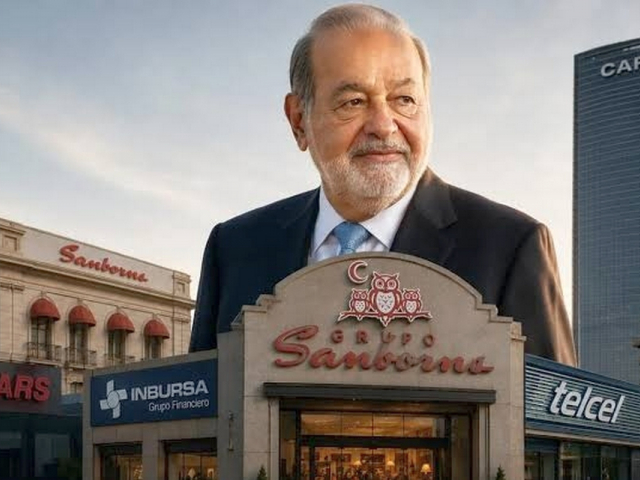
Carlos Slim: telecom monopoly in Mexico
From 2010 to 2013, the world’s richest person was Latin America’s own Carlos Slim Helú. He built his fortune on Grupo Carso and the telecommunications empire América Móvil, which provided mobile coverage across Mexico and neighbouring countries. Slim showed how skillfully monopolising infrastructure in emerging markets can outperform even Silicon Valley titans. His dominance in Forbes signaled a shift of global capital toward telecom and emerging regions.
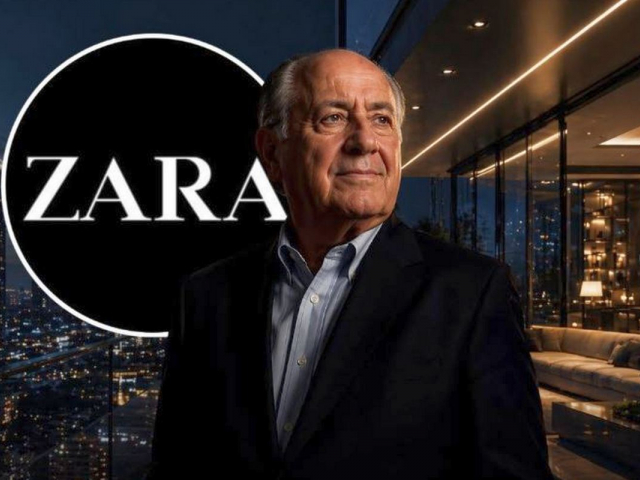
Amancio Ortega: fast‑fashion empire
Spanish entrepreneur Amancio Ortega, founder of retail conglomerate Inditex (owner of Zara), briefly topped the Forbes list in 2015 and 2016. The son of a railway worker revolutionized light industry with the concept of “fast fashion.” His business model cut the time from designer to store shelves worldwide to about two weeks. Amancio Ortega proved that traditional retail, coupled with precise logistics, can generate wealth comparable to the largest software companies.
Jeff Bezos: e-commerce revolution
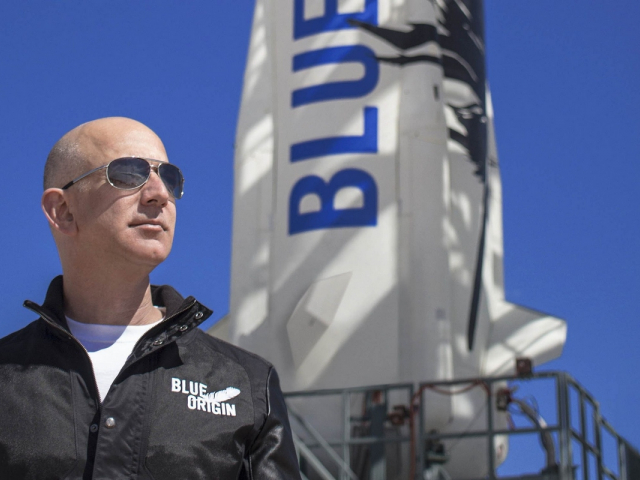
In 2017, Jeff Bezos displaced Bill Gates because Amazon became the planet’s largest marketplace. He transformed a modest online bookseller into an absolute giant in e-commerce and cloud computing with AWS. In 2018, his net worth topped $150 billion, making him the world’s richest person at the time. Through aggressive scaling and customer service, Amazon taught the world to buy with one click — and allowed Bezos to fund the Blue Origin space venture and expand into global digital ecosystems.
Bernard Arnault: absolute dominance in luxury
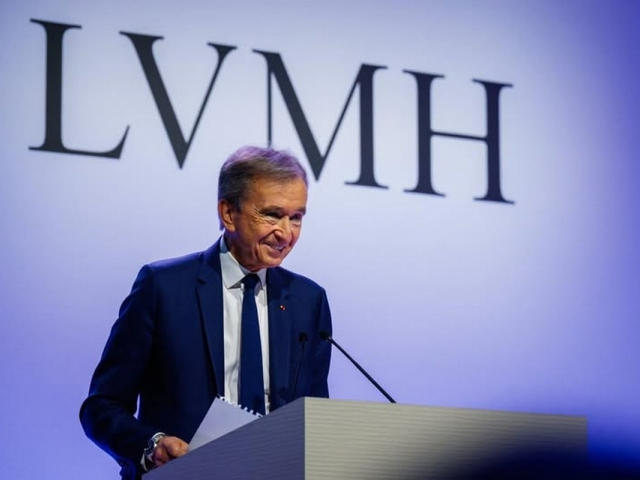
French businessman Bernard Arnault, owner of conglomerate LVMH (Louis Vuitton Moët Hennessy), repeatedly reached the top spot in 2022–2024. He proved that the luxury segment has enormous resilience in the face of economic crises. By bringing dozens of legendary brands under one roof — from Christian Dior and Tiffany & Co. to Dom Pérignon — Arnault built a machine for capturing super‑profits. Premium brands became the equivalent of unique status, making the European luxury king the richest person on the planet.
Elon Musk: electric cars and space
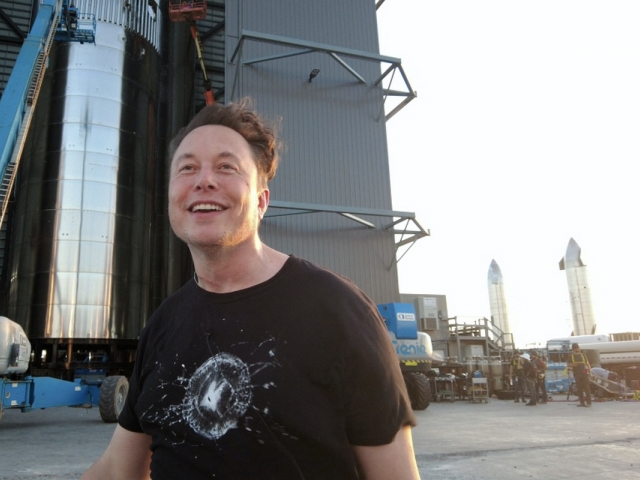
Elon Musk first topped the global rich list in early 2021 thanks to the rapid rise of Tesla’s market cap and SpaceX’s successes. His aggressive bet on mass electrification of transport and private spaceflight overturned the traditional auto industry. By 2026, Musk had cemented his status as the planet’s leading tech visionary, with net worth derived from the crossroads of Starlink satellite internet, Neuralink neurotechnology and autonomous AI developments, and his wealth reached record global levels.
Mark Zuckerberg: social networks and new media
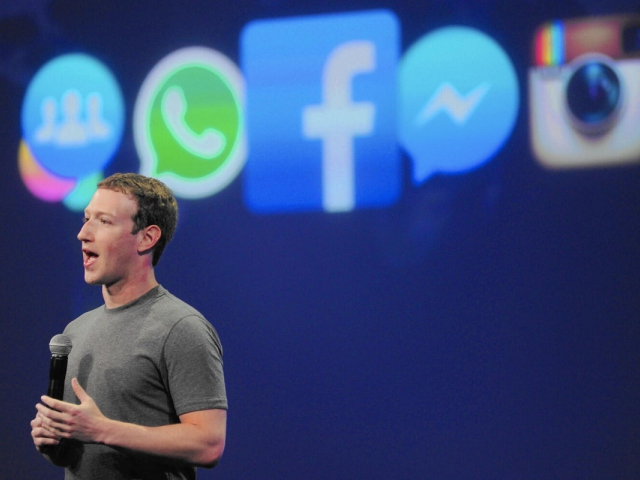
Meta founder Mark Zuckerberg joined the ranks of the world’s richest at a record young age, turning a college project, Facebook, into the planet’s main communications hub. Over the decades, Zuckerberg held a top‑tier position, having acquired Instagram and WhatsApp, and united billions of users. Despite major financial risks from metaverse development and periodic slumps in stocks, his investments in OpenAI models and smart headsets returned Meta to peak capitalization and made Zuckerberg a key player in the modern AI race.
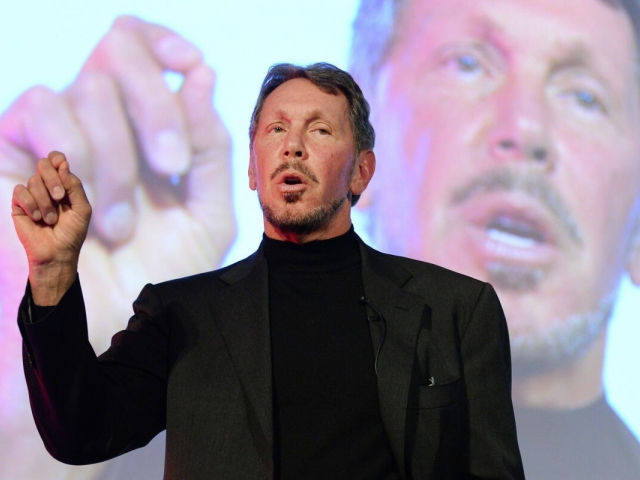
Larry Ellison: clouds and Oracle’s revival
Oracle founder Larry Ellison has long been one of Silicon Valley’s most vivid and charismatic leaders. In 2024–2026, his net worth made a record leap, pushing Ellison back into the global top ranks. The driver was demand for Oracle’s cloud infrastructure and databases to train and run large language models. A timely transformation of the old software giant into a key supplier of capacity for AI startups secured Ellison’s status as one of the main winners of the new digital era.
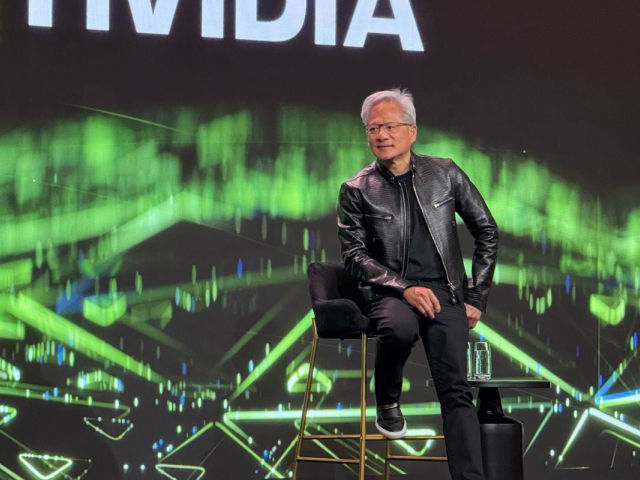
Jensen Huang: engine of neural‑network boom
Nvidia CEO and co‑founder Jensen Huang became the principal symbol of the current AI revolution, rocketing into the top ten billionaires. A company that originally made graphics chips for gaming turned into a key supplier of AI processors and one of the most valuable corporations in the world, multiplying its founder’s personal wealth many times. Huang’s success symbolizes the modern era in which the greatest fortunes belong not only to software creators but also to those who produce the silicon foundation for AI intelligence.