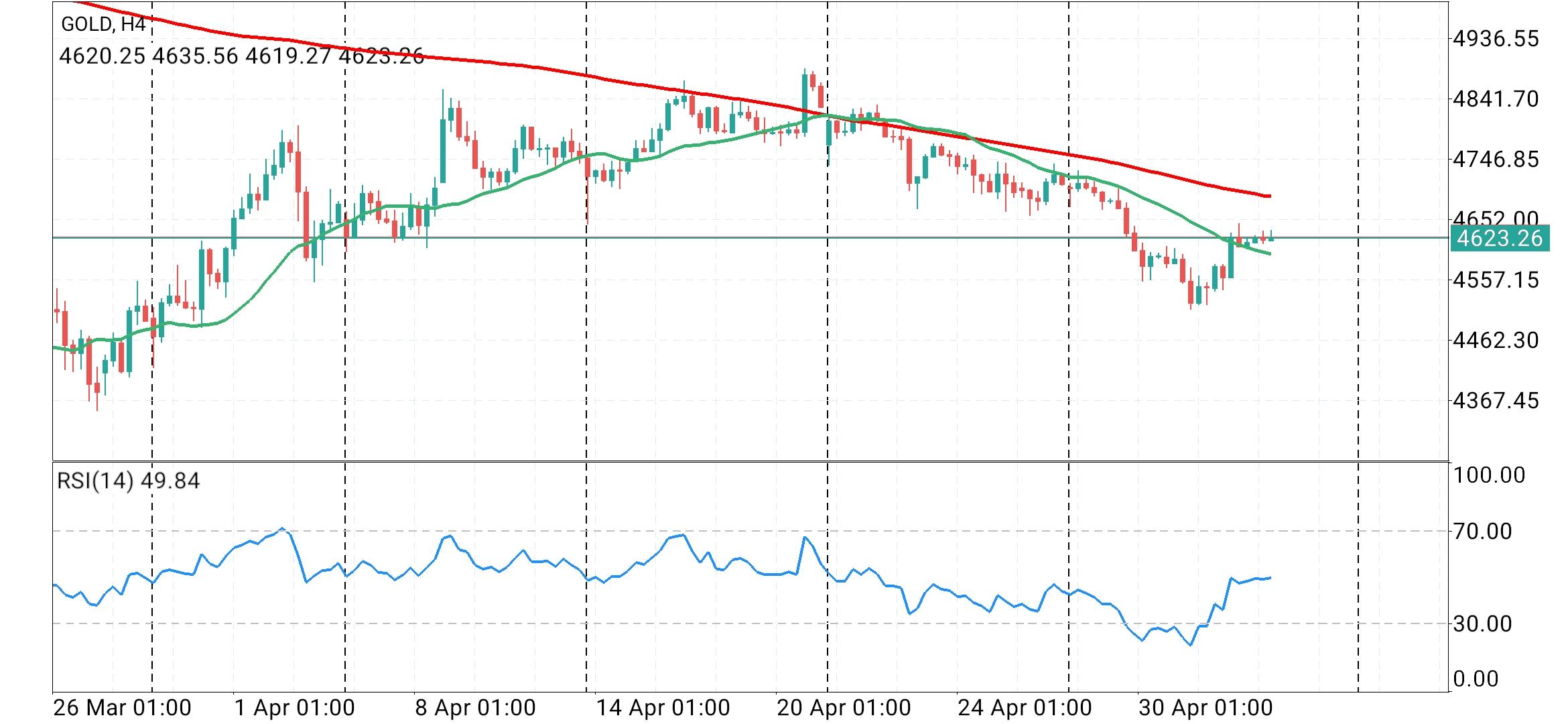
 Gold Technical Analysis Market Overview
 Gold (XAUUSD) is currently trading in a
strong bullish macro trend, but price action has shifted into a controlled consolidation phase just below a major resistance zone. This is not a sign of weakness—institutional markets often pause at highs to build liquidity before expansion. Gold remains highly sensitive to U.S. dollar strength, bond yields, and global risk sentiment, meaning both technical structure and macro flows are aligned in shaping the next move.
Daily Time Frame Analysis On the daily chart, gold continues to maintain a
clear bullish structure, defined by consistent higher highs and higher lows. The recent rally shows strong institutional participation, but price is now facing a critical resistance zone between $2,420 and $2,450. This zone is technically important because it represents: A previous rejection area A psychological resistance level A concentration of buy-side liquidity above highs The ongoing consolidation beneath this zone suggests that the market is accumulating orders before a breakout attempt. If gold achieves a strong daily close above
$2,450, it would confirm bullish continuation and open the path toward
$2,480 to $2,520, where the next major supply zone is likely to emerge. On the downside, the bullish structure remains intact as long as price holds above the
$2,360 to $2,380 support zone, which acts as a key institutional demand area. A break below this level could trigger a deeper correction toward
$2,300 to $2,320.
4H Time Frame Analysis On the 4H chart, gold is forming a
tight compression pattern just below resistance, characterized by higher lows pressing into equal highs. This structure reflects increasing buying pressure while liquidity builds above resistance. This type of setup is commonly seen before a high-momentum breakout, as volatility contracts before expansion. The repeated tests of resistance suggest that selling pressure is gradually weakening, increasing the probability of an upside move. Short-term support is clearly defined around
$2,385 to $2,400, where buyers have consistently defended price. A breakdown below this zone would signal a temporary shift in momentum, opening the door for a corrective move.
Key Support and Resistance Levels From a structural perspective, the primary resistance remains
$2,420 to $2,450, which is the key breakout zone. A confirmed move above this level would likely trigger bullish continuation toward
$2,480 to $2,520. On the support side:
$2,385 to $2,400 → Immediate intraday support
$2,360 to $2,380 → Major daily demand zone If these levels fail, price could correct toward
$2,300 to $2,320, where deeper liquidity and demand are expected.
Trading Outlook and Institutional Scenarios From an institutional perspective, gold is currently positioned at a
high-probability breakout zone. In a bullish scenario, price holds above short-term support and breaks above
$2,450, triggering a strong momentum move toward
$2,500+. In a bearish scenario, failure to break resistance combined with a drop below
$2,385 would signal a correction, potentially pushing price toward
$2,320 before buyers re-enter.
Smart Money Perspective From a Smart Money Concept (SMC) standpoint, the current structure shows clear accumulation beneath resistance. Equal highs above current price represent buy-side liquidity, while the consolidation below indicates institutions are building positions before expansion. Gold is also known for liquidity sweeps and false breakouts, especially around major resistance zones. This is why professional traders focus on confirmation signals such as strong candle closes and break of structure (BOS) rather than anticipating entries.
Final Conclusion Gold remains
strongly bullish on higher timeframes, but is currently in a compression phase beneath a major resistance zone, preparing for its next move. In simple terms:
Above $2,450 → Bullish continuation toward $2,500–$2,520
Below $2,385 → Short-term correction toward $2,320
*The market analysis posted here is meant to increase your awareness, but not to give instructions to make a trade
 Italiano
 Русский
 English
 Bahasa Indonesia
 Bahasa Malay
 ไทย
ไทย Español
 Deutsch
 Български
 Français
 Tiếng Việt
 中文
中文 বাংলা
বাংলা हिन्दी
 Čeština
 Українська
 Română
