 Deutsch
 Русский
 English
 Bahasa Indonesia
 Bahasa Malay
 ไทย
ไทย Español
 Български
 Français
 Tiếng Việt
 中文
中文 বাংলা
বাংলা हिन्दी
 Čeština
 Українська
 Română

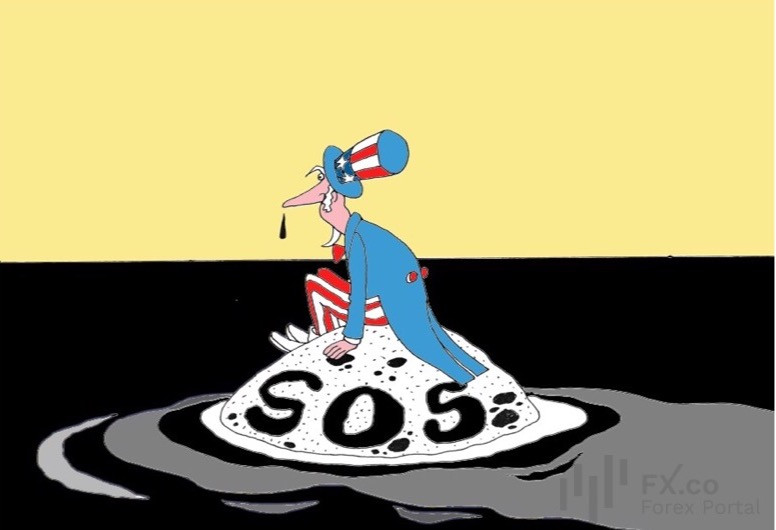
As global Brent crude prices test the psychological barrier of $100 per barrel amid the conflict with Iran, the US economy is showcasing a newfound structural resilience. The historical role of oil shocks as a definitive brake on US GDP is being reassessed: America's status as the world's largest oil producer has turned high prices into a double-edged sword.
Domestic production in the United States remains at a record high of 13.3 million barrels per day. This means that rising energy prices now serve as an internal incentive for oil-producing states such as Texas, New Mexico, and North Dakota. While American households experience "pain at the pump," the Permian Basin is seeing a surge in capital investment and an increase in high-paying jobs. According to current macro models, the traditional "tax" on consumers is now partially offset by an industrial boom in the energy sector. This makes the US much less vulnerable than during the crises of 1973 or 1979.
However, oil remains a key risk for the Federal Reserve's plans for a "soft landing" of the economy. Rising logistics costs are directly reflected in the prices of giants like Walmart and Amazon. To mitigate this "inflation tax," the International Energy Agency has initiated a record coordinated release of 400 million barrels from strategic reserves. A central element of this intervention was the Trump administration's commitment to release 180 million barrels from the US Strategic Petroleum Reserve, with Japan contributing an additional 80 million barrels.
Despite this unprecedented liquidity injection into the market, gasoline prices at $5 per gallon continue to undermine domestic consumer sentiment. While the Strait of Hormuz remains blocked, the key question for Washington is not about production capacity but rather the speed of momentum transfer. Economists now have to determine whether the "shale stimulus" in the US energy belt can outpace the destructive impact of high oil prices on the American middle class.
Markets continue to price in a risk premium, awaiting whether the extensive use of the SPR will be sufficient to keep core inflation in check until shipping normalizes in the Persian Gulf.