 Deutsch
 Русский
 English
 Bahasa Indonesia
 Bahasa Malay
 ไทย
ไทย Español
 Български
 Français
 Tiếng Việt
 中文
中文 বাংলা
বাংলা हिन्दी
 Čeština
 Українська
 Română

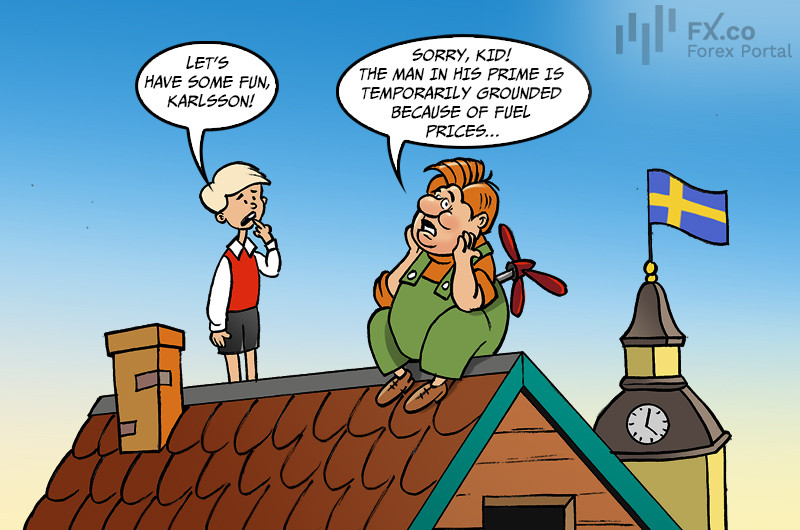
The cost of gasoline and diesel at fueling stations across the European Union saw unprecedented increases at the end of March 2026 due to the escalation of the military conflict in Iran. Eurostat has reported a worsening energy crisis in the region, driven by significant disruptions in the supply of petroleum products from the Middle Eastern market.
The most notable price hikes in gasoline, ranging from 14% to 15%, occurred in Belgium, Sweden, Austria, the Czech Republic, Estonia, and Lithuania, marking the highest levels since the onset of hostilities in Ukraine. In the diesel segment, the Czech Republic and Sweden led the way, with prices soaring by 27.6% in just one month. Significant increases were also recorded in Estonia at 26.8%, in Latvia at 25.4%, and in Belgium and the Netherlands at 25.2%. This trend is attributed to a sharp reduction in crude oil supply to the European market, driven by instability in key hydrocarbon-producing regions.
A critical factor in the resource shortage remains the blockage of the Strait of Hormuz by Iranian forces, which is the primary logistical artery for crude transportation. The restriction on vessel movement has led to a significant drop in the export of aviation kerosene, directly threatening the operations of civil aviation in Europe. Fatih Birol, the head of the International Energy Agency, assessed the potential risks to the transport sector, warning that major European airports could face mass flight cancellations at the beginning of the summer season if supplies remain blocked. Prolonged crisis conditions could force several member states to implement fuel consumption rationing.