 Deutsch
 Русский
 English
 Bahasa Indonesia
 Bahasa Malay
 ไทย
ไทย Español
 Български
 Français
 Tiếng Việt
 中文
中文 বাংলা
বাংলা हिन्दी
 Čeština
 Українська
 Română

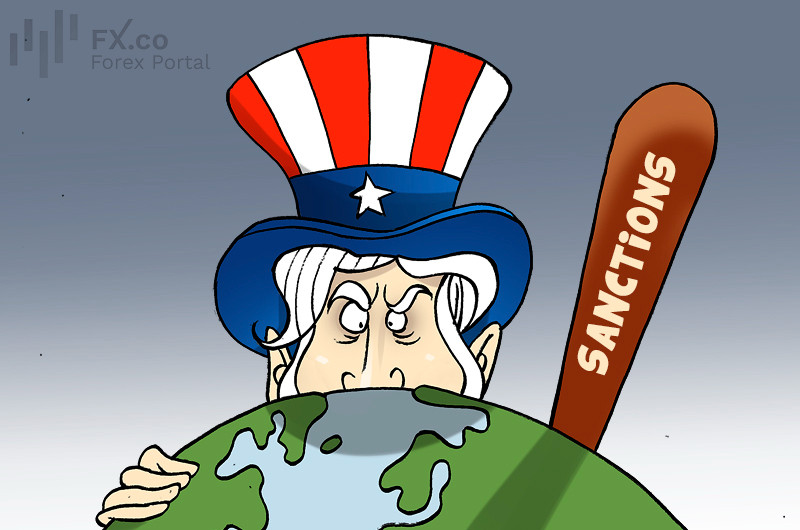
The US Treasury has warned financial institutions that it is prepared to apply secondary sanctions on parties that facilitate purchases of Iranian crude by Chinese refineries and has instructed banks to implement strict controls over transactions with independent processors. At the same time, US authorities imposed restrictions on 35 entities linked to Iran’s shadow banking networks.
Major Chinese state banks are avoiding dealings in sanctioned crude in order to preserve access to dollar clearing services. Nevertheless, China remains a global leader in imports of such oil because independent refineries have stepped in, accepting deep discounts to compensate for low margins. Logistics for these shipments increasingly rely on a shadow fleet: tankers with transponders turned off transfer cargo at sea and mask Iranian crude as exports originating from Malaysia to evade international monitoring.
The tightening of financial pressure comes ahead of a planned May summit between US President Donald Trump and Chinese President Xi Jinping. China’s Foreign Ministry urged Washington to refrain from extraterritorial application of sanctions and pledged to protect national businesses. Observers expect that tougher US measures will force Chinese importers to complicate payment arrangements or to temporarily curtail purchases while bilateral talks are underway.