 Deutsch
 Русский
 English
 Bahasa Indonesia
 Bahasa Malay
 ไทย
ไทย Español
 Български
 Français
 Tiếng Việt
 中文
中文 বাংলা
বাংলা हिन्दी
 Čeština
 Українська
 Română

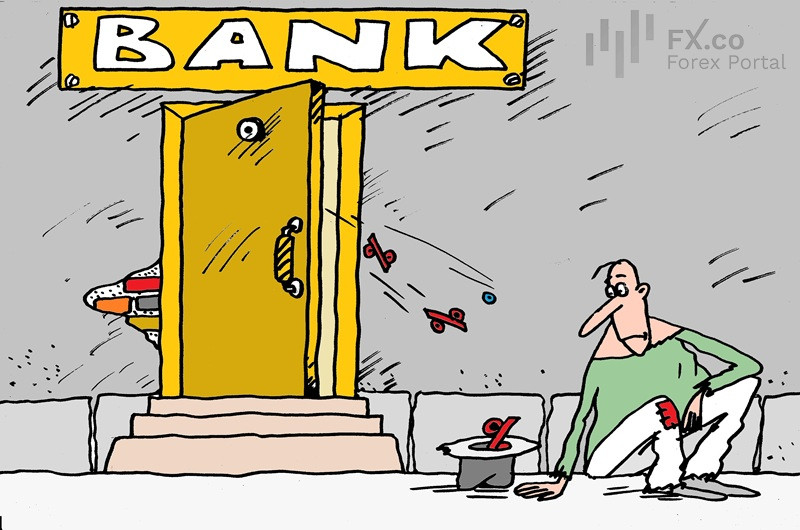
The threat of higher-than-expected inflation in the US risks putting significant pressure on the stock market, potentially prompting the Federal Reserve to raise interest rates. Analysts at Goldman Sachs warn that concerns over monetary policy tightening could completely overshadow the positive impact of yet another quarter of robust corporate earnings growth.
The investment bank forecasts that core inflation will rise by 0.17% month-over-month in June, below consensus expectations, while the overall consumer price index is expected to drop by 0.11% due to falling energy prices. However, the main intrigue lies in market expectations. Although Goldman does not anticipate any changes to the Fed’s rates this year, markets are already pricing in nearly 50 basis points of tightening by mid-2027. This discrepancy creates a key risk ahead of the upcoming inflation data release and the regulatory meeting scheduled for July 28-29.
Experts emphasize that rising earnings should support stocks in the medium term. However, if the Fed indeed pursues further tightening, it could hit the market due to reduced growth forecasts and sharply rising borrowing costs. Such increases in financing costs would particularly impact the capital-intensive investment cycle in the field of artificial intelligence.
Historically, the S&P 500 has struggled at the onset of interest rate hike cycles, averaging a 2% loss in the first three months. Nonetheless, long-term trends typically remain positive. Excluding the shock of 2022, the benchmark has gained about 9% over the following 12 months.
Analysts do not rule out the possibility of a “relief rally” if inflation data comes in soft. Currently, the options market is pricing in S&P 500 fluctuations of around 0.8% immediately following the data release on Tuesday and approximately 1.1% for the week overall. By sector, companies with high debt loads tied to variable rates will show the greatest vulnerability to interest rates. Historically, the technology sector has outperformed the broader market in the early stages of Fed tightening, while financial companies continue to lag behind.
Comments: