 Deutsch
 Русский
 English
 Bahasa Indonesia
 Bahasa Malay
 ไทย
ไทย Español
 Български
 Français
 Tiếng Việt
 中文
中文 বাংলা
বাংলা हिन्दी
 Čeština
 Українська
 Română

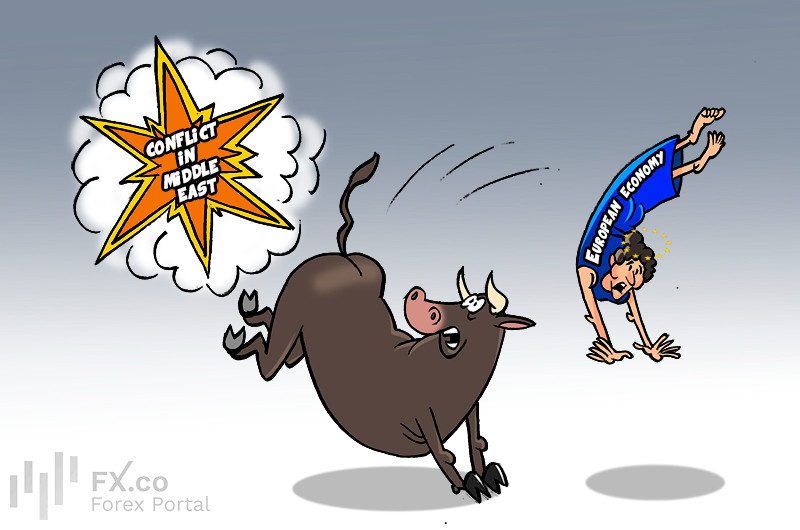
In 2026, economic growth in the eurozone is expected to be significantly weaker than previously anticipated. According to Bloomberg, leading analysts have been forced to downgrade their macroeconomic forecasts due to escalating geopolitical tensions and the resurgence of hostilities in the Middle East. The updated consensus forecast now predicts that the economy of the currency bloc will grow by just 0.5% this year, down from an earlier estimate of 0.7% made in June. Economists have also lowered their long-term growth estimates for 2028, citing the protracted nature of the emerging challenges.
European Central Bank President Christine Lagarde emphasized that the region’s economic future is now directly tied to developments in the Middle Eastern crisis. The regulator’s head warned of increasing risks of stagnation triggered by disruptions in energy supplies. Such logistical shocks could lead to a prolonged period of elevated fuel prices, which would inevitably undermine the revenues of commercial enterprises and reduce the purchasing power of European households, thereby slowing consumer activity.
The scale of the issue is illustrated by May’s statistics: the price of automotive fuel and lubricants in the European Union surged by 20.7% year-on-year. This increase hit various economies within the bloc particularly hard. For example, fuel prices rallied by a record 33.9% in Bulgaria, 32.2% in Luxembourg, 30.8% in Lithuania, and 30.4% in Romania, creating additional social and economic pressure in these countries.
Comments: