 Deutsch

 Русский
 English
 Bahasa Indonesia
 Bahasa Malay
 ไทย
 Español
 Български
 Français
 Tiếng Việt
 中文
 বাংলা
 हिन्दी
 Čeština
 Українська
 Română


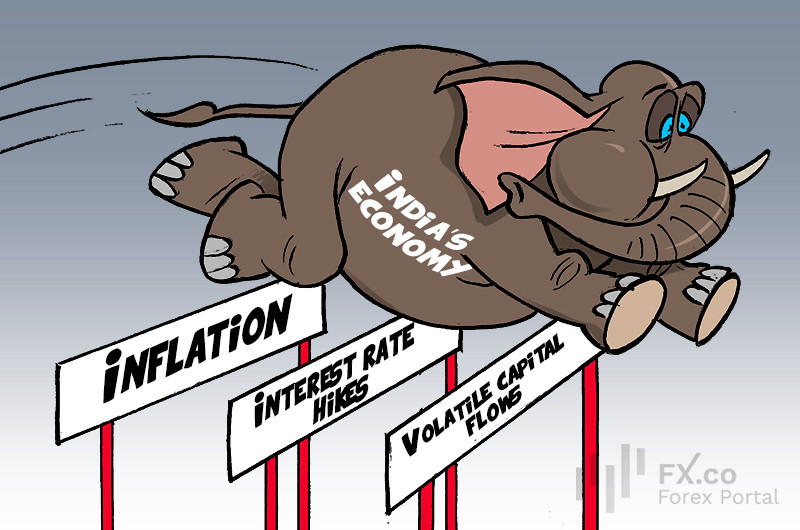
India’s economy is expected to remain resilient over the next two fiscal years, even as inflation accelerates, interest rates rise, and capital flows wobble, according to a new note from BofA Securities. After an estimated 7.8% expansion in 2026, the bank forecasts real GDP growth of about 7.5% in fiscal 2027, which ends in March 2027, and again in fiscal 2028. Then growth is expected to reaccelerate to about 7.8% in fiscal 2029.
Lower energy costs will provide a tailwind for the region, but faster retail inflation, which jumped to a two‑year high of 6.1% in October, and climate risks have prompted BofA experts to raise their consumer price forecast to 5.2% for fiscal 2027. Against this backdrop, the Reserve Bank of India could lift the repo rate by a cumulative 100 basis points, taking it to 6.25% in the second quarter of 2027.
Financial markets have already begun to reposition. November saw a tilt in sentiment as the rupee strengthened from recent record lows on roughly $12 billion in net foreign capital inflows since the start of the month. According to BofA, overseas investors have been buying Indian equities, in part to hedge risks amid a broad sell‑off in the global AI sector, contributing to roughly a 10% month‑to‑date gain in the Nifty 50.
External and fiscal metrics remain manageable, the bank said. BofA forecasts a balance‑of‑payments surplus of about $82 billion (roughly 2% of GDP) in fiscal 2027 and expects the current account deficit to narrow to $32 billion in fiscal 2028, assuming oil at about $80 per barrel. The central government deficit is seen easing to 4.3% of GDP from 4.5%, although the pace of consolidation will be tempered by elections in seven states and spending pressures stemming from public‑sector wage increases.