 Deutsch
 Русский
 English
 Bahasa Indonesia
 Bahasa Malay
 ไทย
ไทย Español
 Български
 Français
 Tiếng Việt
 中文
中文 বাংলা
বাংলা हिन्दी
 Čeština
 Українська
 Română

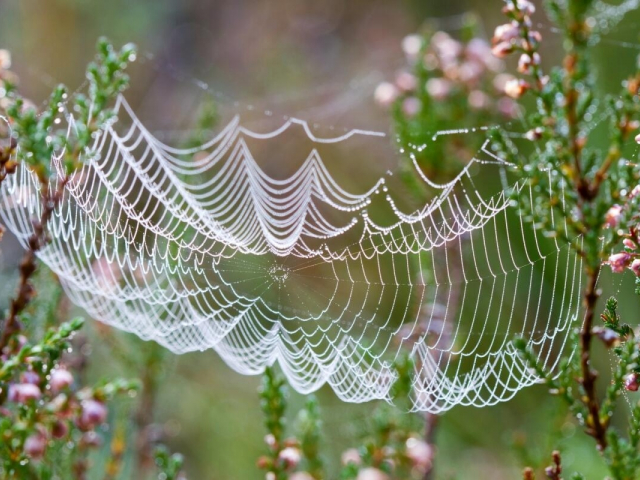
Spider silk and biopolymer steel
Spider silk is five times stronger than steel of the same weight and is incredibly elastic. People have long tried to replicate this material, and finally, biotechnology has made it possible to produce “synthetic spider silk” via fermentation. It is being used for body armor, surgical sutures and ultra‑light automotive components. This marks a shift to manufacturing that does not require high temperatures or toxic wastes. Nature has shown us that materials of the future can be made in ordinary aqueous solutions at room temperature.
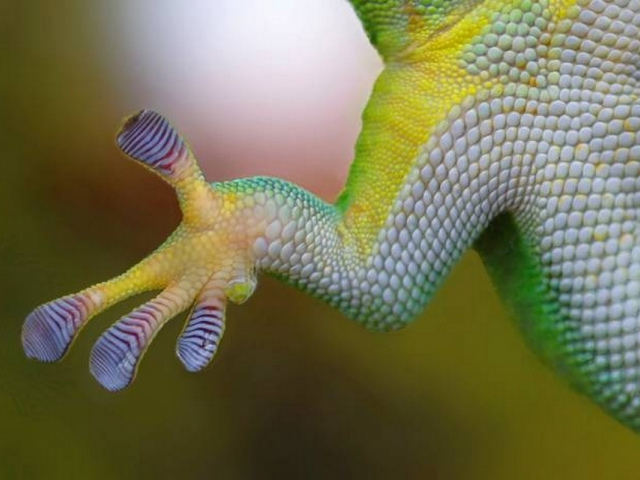
Gecko feet and dry superglue
Geckos can run on ceilings thanks to millions of microscopic hairs on their feet that use van der Waals forces to adhere to surfaces. Scientists have created “gecko adhesives” based on this principle—sticky tapes that can hold enormous weight without leaving residue and that work in a vacuum. They are indispensable for space inspection robots and future medical applications. We have learned to stick to a surface without using tacky substances, simply by getting the contact geometry right at the atomic level.
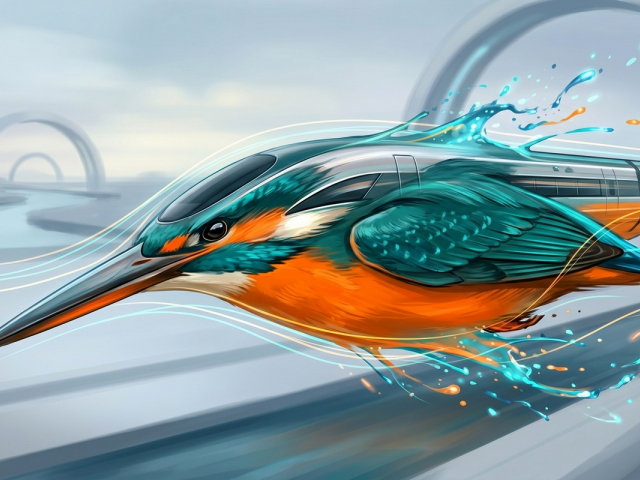
Kingfisher and Japanese bullet train
Japan’s Shinkansen once suffered from a loud sonic boom when exiting tunnels. Engineer and keen ornithologist Eiji Nakatsu noticed how the kingfisher dives into water with almost no splash. He changed the train’s nose shape to resemble the bird’s beak. The result was beyond expectations: the noise disappeared, air resistance dropped by 10%, and energy consumption fell by 15%. This is an example of how the hydrodynamics of a small bird helped solve the aerodynamics of a huge machine, making transport quieter and more efficient.
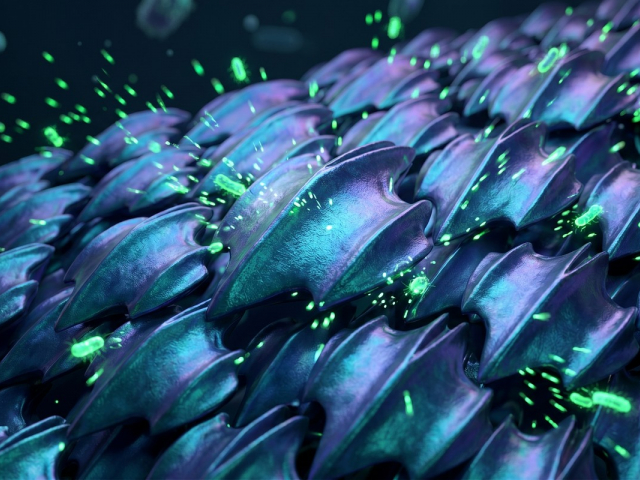
Shark skin as bacteria barrier
Shark skin is covered with millions of tiny tooth‑like scales called riblets. They not only reduce drag in water but also create a surface where bacteria cannot physically settle. Scientists have recreated this texture in a material called Sharklet. Today, it is used in hospitals on door handles and medical equipment. It is a revolution in hygiene: instead of toxic antibiotics, we use the pure physics of surface structure. Nature taught us that form can be more effective than chemistry in the fight for sterility and health.
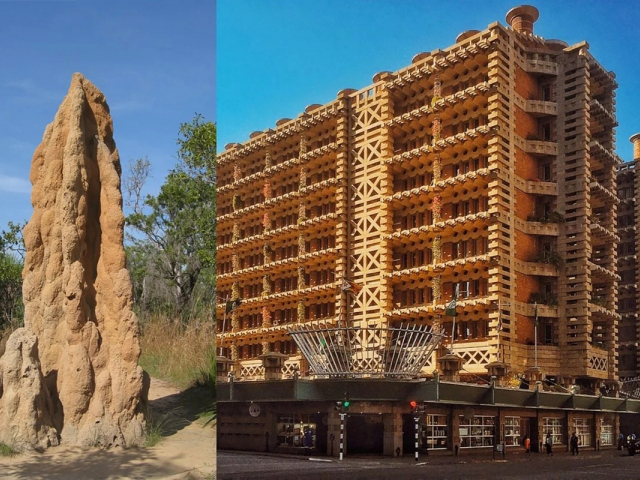
Termite mounds and “breathing” architecture
Termite mounds in Africa maintain an internal temperature of about 25°C even when it’s +40°C outside. They use a passive cooling system of interconnected channels. Architect Mick Pearce applied this principle when designing the Eastgate Centre in Zimbabwe. The building operates without conventional air conditioning, using about 90% less energy than comparable structures. This is a triumph of bioclimatic design: we learned that insects are master architects, able to create comfortable environments with virtually no energy cost simply by managing airflow.
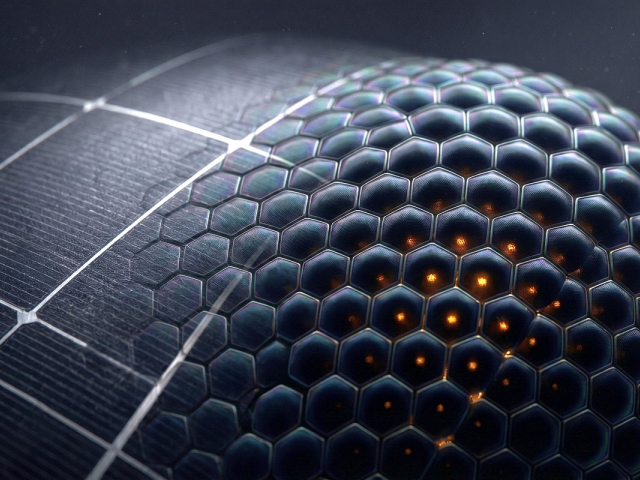
Moth eyes and solar panels
Moths see well in low light because their eyes reflect almost no light. This protects them from predators and helps them capture every photon. The structure of their eyes inspired anti‑reflective coatings for solar cells and smartphone screens. Now panels can absorb much more energy, and our phones are less likely to “wash out” in sunlight. We borrow from insects the ability to use light energy more efficiently, turning passive observation into active generation.
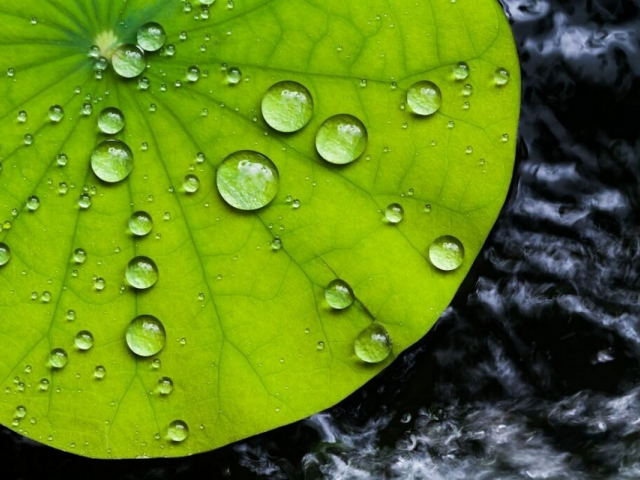
Lotus leaf: art of staying clean
Lotus leaves always stay perfectly clean, even in murky water. The secret is the “lotus effect”—nanostructures on the surface that prevent water droplets from sticking. Water rolls off, carrying dirt with it. This idea underlies self‑cleaning paints and glass. Now buildings can literally “wash themselves” in the rain. We learn from plants to create surfaces that require no maintenance and remain pristine for decades, using nature’s own energy to maintain cleanliness.