 English
 Русский
 Bahasa Indonesia
 Bahasa Malay
 ไทย
ไทย Español
 Deutsch
 Български
 Français
 Tiếng Việt
 中文
中文 বাংলা
বাংলা हिन्दी
 Čeština
 Українська
 Română


In the last days of December, the EUR/USD pair jumped by 200 points, ending 2019 at 1.1229. After such a rapid price jump, a corrective roll back follows - especially if we are talking about a "thin" market. Therefore, today's price dynamics is quite logical, although many analysts predicted a deeper decline on the price, up to the base of the 11th figure.
The first working day in 2020, however, presents its first surprises. EUR/USD bears show a certain weakness where each point they conquered is clearly given to them with difficulty. The PMI data published today only complicated the task for sellers of the pair. The December indices of business activity in the manufacturing sector were revised upward, providing little support to euro. For example, the pan-European index was at 46.3, while the initial estimate was at 45.9 points. And although the indicator still remained below the key 50-point level, the trend itself allowed the pair's bulls to slow down the price decline.
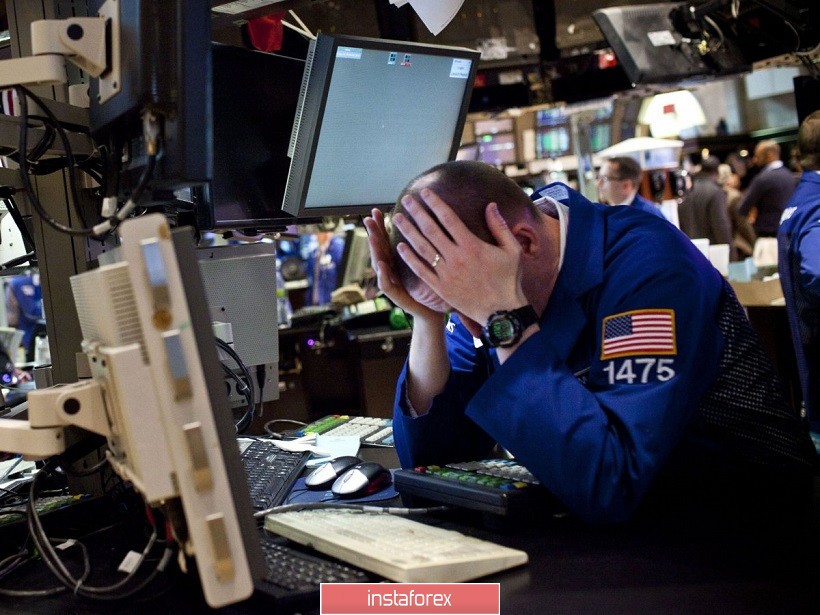
In turn, the US currency, demonstrated its vulnerability. The dollar index is at the base of the 96th figure (for comparison: a month ago it was around 98 points), reflecting the weak demand for the currency. Yesterday, Donald Trump confirmed rumors that the signing ceremony of the first phase of the trade deal will take place in January, however, it will not be held this weekend (as previously expected), but on January 15 instead. The fact that the parties agreed on the first phase was known in mid-December, and the market played this news occasion and began to prepare for the next negotiation process, which promises to be more difficult than last year. Nevertheless, Trump's tweet put pressure on the dollar, as it has recently been used as a defensive asset. A positive stream of news about the prospects for the US-Chinese relations has changed the overall fundamental picture in the market, reducing the interest of traders in the dollar, which served as a kind of "island of security" at the end of last year.
It is likely that during the American session on Thursday, the EUR/USD bears will still approach the first support level of 1.1150 (the Tenkan-sen line on the daily chart) – but short positions on the pair still look risky. Tomorrow, the minutes of Fed's last meeting will be published, which may put additional pressure on the US currency.
Let me remind you that the results of the December meeting were ambiguous. On one hand, members of the Federal Reserve removed the phrase "uncertainty about future forecasts" from the text of the accompanying statement. In addition, all members of the Committee voted unanimously to maintain the status quo – there has not been such unity in the Committee since May last year. Also, the members focused on the positive aspects of the American economy: they noted the "strength" of the labor market in the United States and moderate economic growth, while expressing confidence that in 2020, inflation will reach the targeted two percent level.
All other aspects of the December meeting were more or less negative. First, the regulator said that consumption growth has slowed significantly, while the decline in investment has increased markedly. Company investment and exports remain weak. There's also inflation, which Jerome Powell stated to remain below the targeted two percent level. If this trend continues, it could lead to "unhealthy dynamics" in the country's economy. In addition, Fed's head repeated his opinion on the conditions under which the regulator will begin to tighten monetary policy. According to him, the inflation rate should not only exceed two percent, but also stay at this level for some time before Fed will consider raising the interest rate.
Dollar bulls were also disappointed with Fed's dot plots forecast. Most members of the regulator – 13 – were in favor of maintaining a wait-and-see position throughout the next year. At the same time, there were more "hawks" – 9 of the 17 members of the fed voted for a rate increase in 2020 – back in September. At the December meeting, only 4 Committee officials supported this step. It's only on 2021 that the Fed plans to return to raising the interest rate. Nine members of the Fed favored one or two increases while the others either favored maintaining a wait-and-see position, or a more dramatic rate increase.
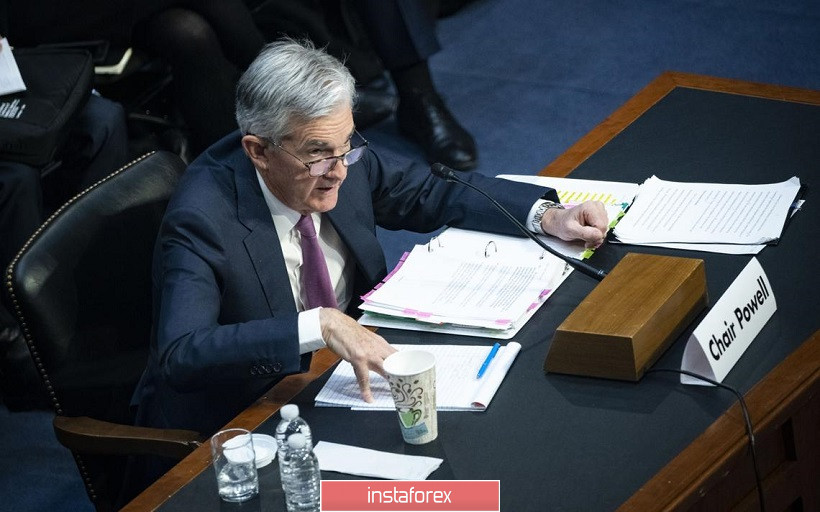
Overall, the Fed put on a long-term pause in the process of easing monetary policy, while dollar bulls expected at least one round of rate increases in the next year. The report on the December meeting will be published tomorrow, and will help to understand how much the Fed members are concerned about the weak dynamics of inflation growth, in the context of the prospects for monetary policy. If most of them voiced "dovish" rhetoric, dollar may undergo some pressure.
The price "ceiling" for the pair is at 1.1240 – a five-month high, which was reached on the last day of last year, and now acts as a resistance level. The support level is at 1.1150 (Tenkan-sen line on the daily chart) and 1.1110 below (Kijun – sen line on the same timeframe). The pair is still on the upper line of the Bollinger Bands indicator on D1, while the Ichimoku indicator continues to show a bullish "Line Parade" signal. All these suggests that the pair has not exhausted the potential for its further growth – at least by the middle of the 12th figure.