 English
 Русский
 Bahasa Indonesia
 Bahasa Malay
 ไทย
ไทย Español
 Deutsch
 Български
 Français
 Tiếng Việt
 中文
中文 বাংলা
বাংলা हिन्दी
 Čeština
 Українська
 Română



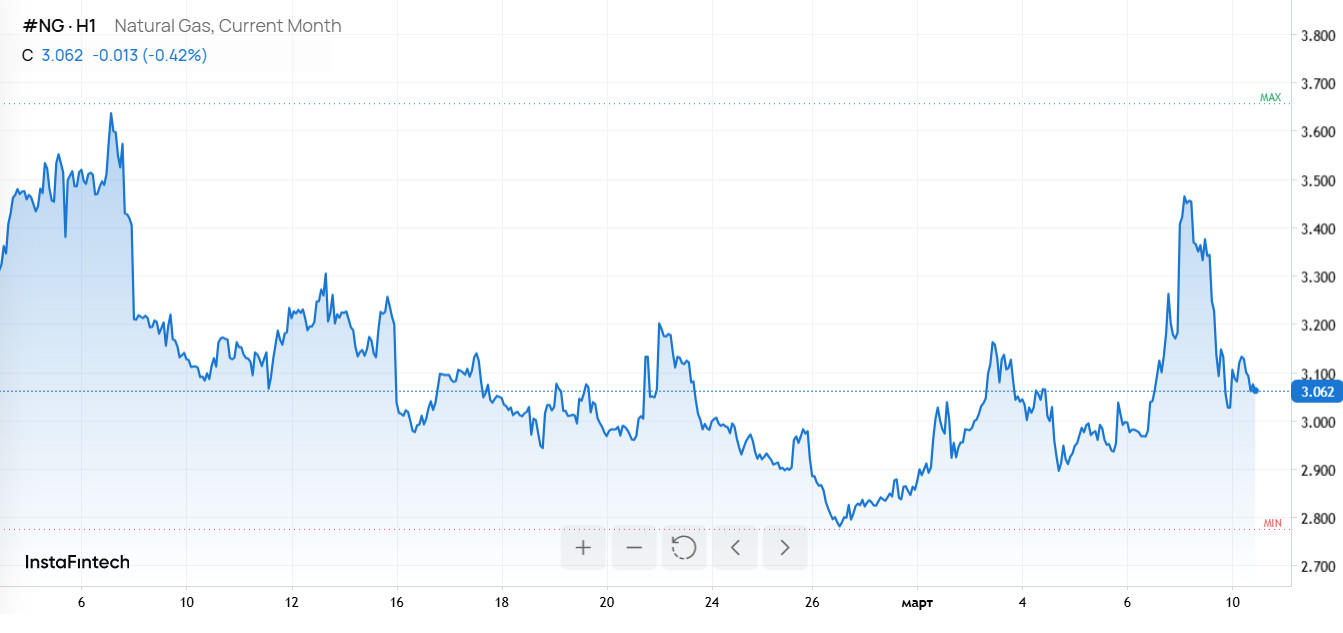
Since the clashes began on February 28 between US and Israeli forces and Iran, the energy sector has suffered a sharp shock: an estimated one-fifth of global oil and natural gas supplies have been taken offline, triggering a surge in prices and renewed calls to accelerate the switch to domestic renewable energy.
At the centre of the crisis are blocked shipping corridors, attacks on infrastructure in the Persian Gulf and force?majeure declarations that are already reshaping energy supply-and-demand dynamics.
Since February 28, Iran has effectively closed the Strait of Hormuz and carried out strikes on energy infrastructure across the Gulf. As a result, production has been forced to stop in several countries in the region, from Qatar to Iraq.
Brent crude jumped from roughly $73 at the start of the conflict to about $120 on Monday, Reuters reports, sparking severe volatility in global markets.
QatarEnergy has declared force majeure on its LNG export shipments — volumes that make up around 20% of global LNG supply. The company warns that restoring volumes could take at least a month.
"How many times do we need to learn the same lesson?" Lucas White, senior portfolio manager at GMO, told Morningstar. He stresses that distributed generation — solar panels and wind turbines — would make economies less vulnerable to oil and gas supply disruptions.
Pavel Molchanov, an analyst at Raymond James, said the crisis "highlights the link between energy security and the transition to renewables," adding that persistently high oil prices could spur demand for electric vehicles in the US.
Economists at the London School of Economics have urged the UK government to accelerate the shift to its own "clean" energy sources, citing Britain's high vulnerability to swings in international fossil fuel prices.
Asia Times notes that conflicts of this kind could cement a structural advantage for Asian countries already investing in solar panel and battery manufacturing. China and India are well-positioned to benefit from an accelerated rollout of renewables.
White points to a precedent: Russia's invasion of Ukraine in 2022 roughly doubled solar installations in Europe and sharply increased the share of renewable electricity in the EU.
Axios warns that higher energy prices could stoke inflation and prompt rate hikes, making financing capital?intensive clean?energy projects more expensive.
Fitch Solutions flags the risk that some Asian and European countries may return to coal if LNG supply disruptions persist. ClearView Energy Partners suggests the US administration may also view clean energy measures as a practical response to rising prices.
According to Asia Times, the conflict with Iran "serves as a stress test for Asia's energy model": short-term vulnerability could intensify before easing, but enduring instability could accelerate the shift to renewables and reduce long-term exposure. For traders, the key questions remain how long the disruptions will last and what actions countries and companies will take in response.