 English
 Русский
 Bahasa Indonesia
 Bahasa Malay
 ไทย
ไทย Español
 Deutsch
 Български
 Français
 Tiếng Việt
 中文
中文 বাংলা
বাংলা हिन्दी
 Čeština
 Українська
 Română


Today, the British pound, the euro, and the Australian dollar could be traded using the Momentum strategy, continuing the Asian session trends. I did not trade using the Mean Reversion strategy.
Expectations that new peace talks between the U.S. and Iran will be more successful are clearly driving demand for risk assets. Traders are hoping for easing tensions in the Middle East, which could lead to stabilization in oil prices and a reduction in geopolitical risks. This, in turn, creates favorable conditions for the growth of the European economy and strengthens the euro.
During the U.S. trading session, traders will closely monitor macroeconomic releases that could significantly impact currency market dynamics. Particular attention will be paid to the Producer Price Index (PPI) and its core version, which excludes volatile food and energy categories. These data are critically important in the context of the current crude oil market environment, which remains under close scrutiny by analysts and market participants. The published PPI figures are expected to show strong growth and provide valuable insight into future inflation trends in the U.S. manufacturing sector. Against the backdrop of recent energy price fluctuations, traders will look for signals indicating how much these changes are already being reflected in producer prices.
In addition to economic data, the U.S. session will feature speeches from Federal Reserve representatives. FOMC member Austan D. Goolsbee and FOMC member Michael S. Barr will address audiences, and their comments on the current economic situation and monetary policy outlook will be closely analyzed. Statements from Fed officials may provide new guidance on future interest rate decisions, which could, in turn, have a noticeable impact on currency exchange rates.
In the case of strong data, I will rely on the Momentum strategy. If there is no market reaction to the data, I will continue using the Mean Reversion strategy.
Momentum Strategy (Breakout) for the Second Half of the Day
For EUR/USD
- Buying on a breakout above 1.1800 may lead to a rise toward 1.1825 and 1.1850
- Selling on a breakout below 1.1780 may lead to a decline toward 1.1735 and 1.1680
For GBP/USD
- Buying on a breakout above 1.3555 may lead to a rise toward 1.3575 and 1.3605
- Selling on a breakout below 1.3535 may lead to a decline toward 1.3500 and 1.3480
For USD/JPY
- Buying on a breakout above 159.13 may lead to a rise toward 159.40 and 159.84
- Selling on a breakout below 158.80 may lead to a decline toward 158.57 and 158.25
Mean Reversion Strategy (Pullback) for the Second Half of the Day
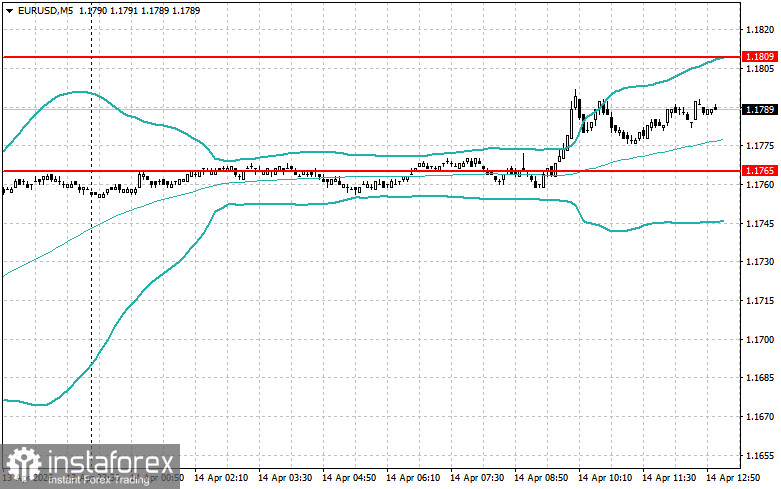
For EUR/USD
- Look for selling opportunities after a failed breakout above 1.1809 and a return below this level
- Look for buying opportunities after a failed breakout below 1.1765 and a return to this level
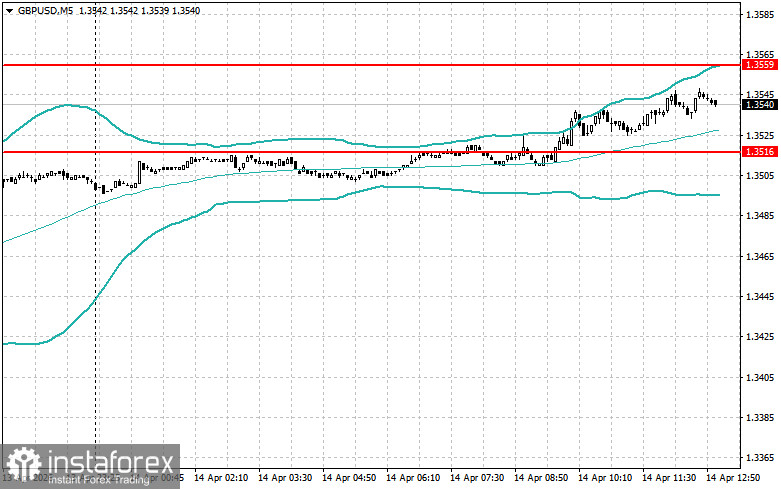
For GBP/USD
- Look for selling opportunities after a failed breakout above 1.3559 and a return below this level
- Look for buying opportunities after a failed breakout below 1.3516 and a return to this level
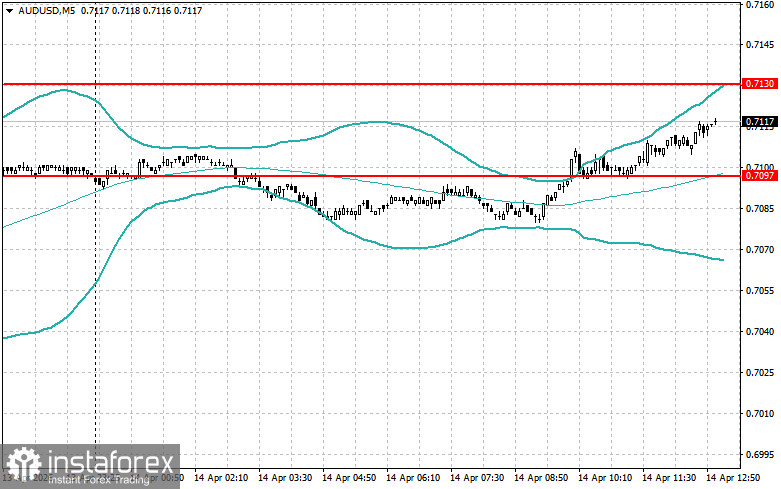
For AUD/USD
- Look for selling opportunities after a failed breakout above 0.7130 and a return below this level
- Look for buying opportunities after a failed breakout below 0.7097 and a return to this level
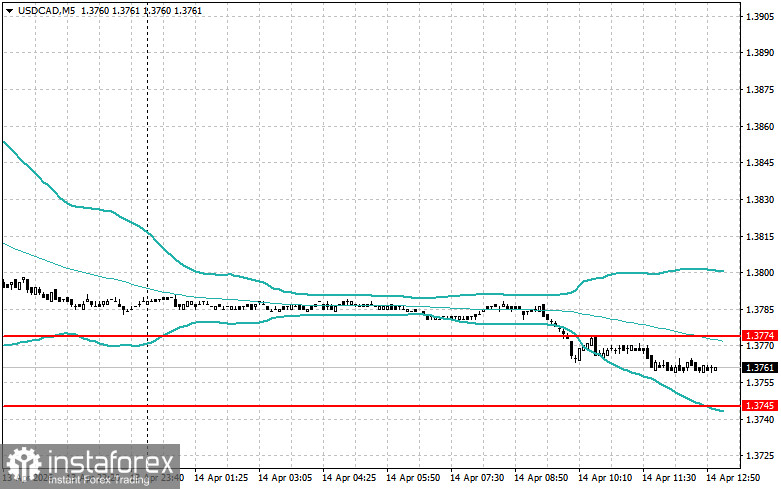
For USD/CAD
- Look for selling opportunities after a failed breakout above 1.3774 and a return below this level
- Look for buying opportunities after a failed breakout below 1.3745 and a return to this level