 English
 Русский
 Bahasa Indonesia
 Bahasa Malay
 ไทย
ไทย Español
 Deutsch
 Български
 Français
 Tiếng Việt
 中文
中文 বাংলা
বাংলা हिन्दी
 Čeština
 Українська
 Română


On Monday, the USD/CHF pair rose by 0.37% and was trading around 0.8060 at the time of writing. The U.S. dollar is regaining its position despite signs of weakening expectations for further Federal Reserve monetary policy tightening.
The recovery of the American currency is occurring against the backdrop of investors revising their forecasts regarding monetary policy following last week's U.S. non-farm payroll (NFP) data, which came in below expectations.
Despite signs of a slowdown in the labor market, the dollar remains in demand, further supported by ongoing geopolitical tensions in the Middle East, particularly in the Strait of Hormuz.
According to the CME FedWatch tool, market participants continue to factor in a 76.9% chance of further rate hikes by the Fed by the end of the year. Investors are awaiting the publication of the minutes from the June FOMC meeting, scheduled for Wednesday; this document may provide additional insights into future monetary policy.
Recent reports from the U.S., released on Monday, indicate that the ISM Services PMI declined slightly to 54 from 54.5 in May, aligning with market expectations. The survey results indicated a slowdown in the growth of new orders and a decrease in prices paid by companies, while the employment index showed improvement.
In Switzerland, the unemployment rate unexpectedly rose to 3.1% in June, up from May's 3.0%. This slight deterioration in the labor market situation placed pressure on the Swiss franc at the beginning of the week and further supported the rise of the USD/CHF pair.
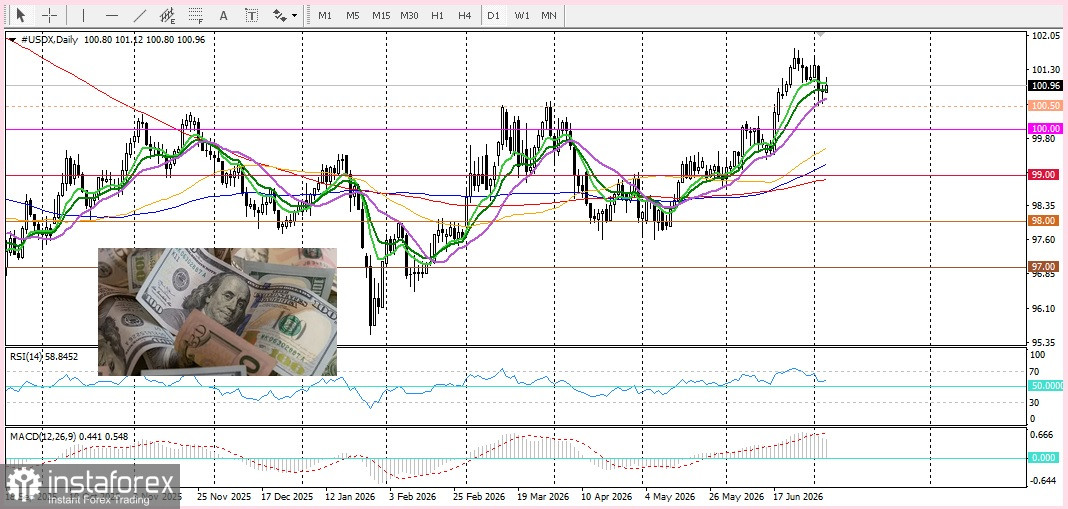
From a technical perspective, the pair is attempting to hold above the 90-day EMA. However, the important nearest support for the bulls remains the 20-day SMA. If prices fail to maintain these levels, it will accelerate the decline toward the July low near the round level of 0.800. Nonetheless, as oscillators are in positive territory, the bulls have the upper hand.
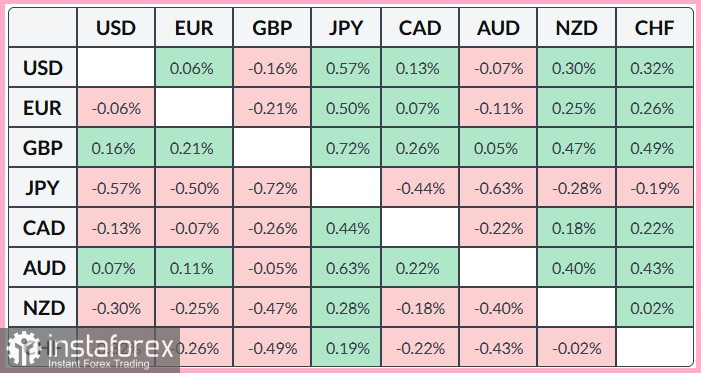
The table below shows the percentage change of the Swiss franc against key currencies for Monday. The Swiss franc recorded the largest gain against the Japanese yen.