 English
 Русский
 Bahasa Indonesia
 Bahasa Malay
 ไทย
ไทย Español
 Deutsch
 Български
 Français
 Tiếng Việt
 中文
中文 বাংলা
বাংলা हिन्दी
 Čeština
 Українська
 Română


Today, I traded the British pound using the Mean Reversion strategy, while the euro was traded using the Momentum strategy.
During the first half of the day, the U.S. dollar gave back the gains it had made against risk-sensitive assets earlier in the session, when it benefited from escalating tensions between the United States and Iran. At the start of European trading, renewed escalation surrounding the U.S. strikes on Iran drove investors toward safe-haven assets, boosting demand for the U.S. dollar. However, as the latest wave of market anxiety subsided and no immediate deterioration in the geopolitical situation materialized, demand for defensive assets weakened, prompting capital to flow back into higher-yielding investments.
This shift in sentiment supported both the euro and the British pound. The return of risk appetite eroded the dollar's earlier gains, allowing both European currencies to recover part of their losses. As long as no new signs of escalation emerge, EUR/USD and GBP/USD are likely to remain above their intraday lows, with price action continuing to be driven primarily by developments surrounding the Middle East conflict.
The U.S. economic calendar for the second half of the day is relatively light. Market participants will focus mainly on speeches by FOMC members Michelle Bowman and Christopher Waller. No other significant U.S. macroeconomic releases are scheduled, meaning the tone of their remarks is likely to determine the direction of the U.S. dollar. Their comments are important because they shape market expectations for future interest rate decisions, and any indication that the Federal Reserve remains prepared to raise rates would directly support the dollar.
However, as noted above, in the absence of major economic data, the euro and the pound are likely to react primarily to the tone of these speeches. Hawkish remarks from Bowman and Waller could strengthen the U.S. dollar, putting downward pressure on EUR/USD and GBP/USD, while a more cautious tone could ease market concerns and provide renewed support for both European currencies.
If strong economic data is released unexpectedly, I will rely on the Momentum strategy. If the market shows little or no reaction, I will continue using the Mean Reversion strategy.
Momentum Strategy (Breakout) for the U.S. Session
EUR/USD
- Buy on a breakout above 1.1440, targeting 1.1466 and 1.1486.
- Sell on a breakout below 1.1423, targeting 1.1390 and 1.1365.
GBP/USD
- Buy on a breakout above 1.3406, targeting 1.3430 and 1.3460.
- Sell on a breakout below 1.3380, targeting 1.3356 and 1.3323.
USD/JPY
- Buy on a breakout above 162.22, targeting 162.44 and 162.64.
- Sell on a breakout below 161.92, targeting 161.62 and 161.33.
Mean Reversion Strategy for the U.S. Session
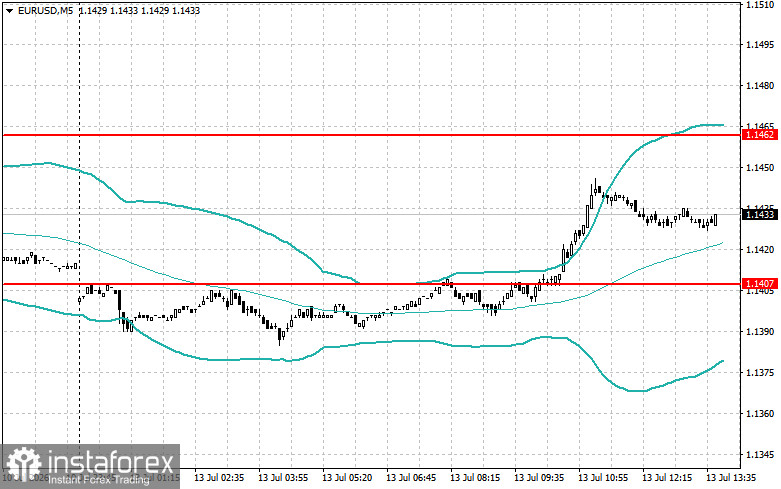
EUR/USD
- Sell after a false breakout above 1.1462, once the price falls back below this level.
- Buy after a false breakout below 1.1407, once the price returns above this level.
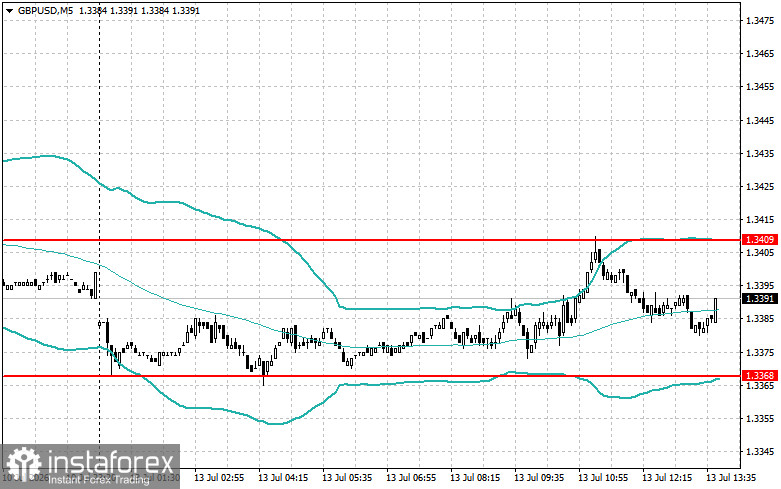
GBP/USD
- Sell after a false breakout above 1.3409, once the price falls back below this level.
- Buy after a false breakout below 1.3368, once the price returns above this level.
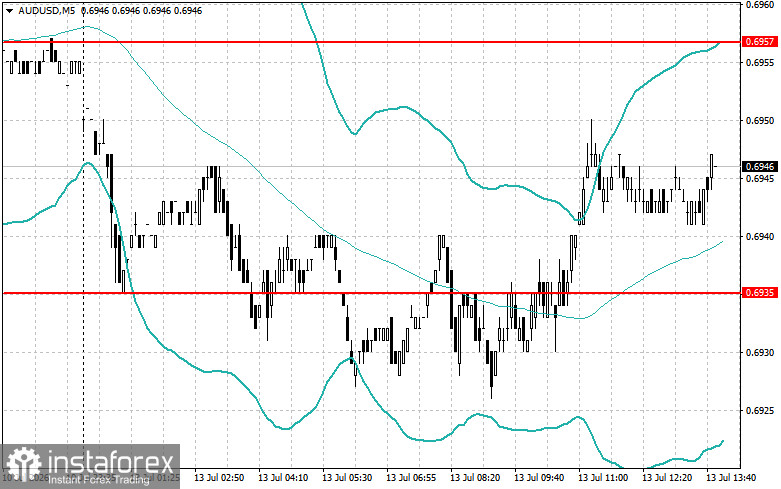
AUD/USD
- Sell after a false breakout above 0.6957, once the price falls back below this level.
- Buy after a false breakout below 0.6935, once the price returns above this level.
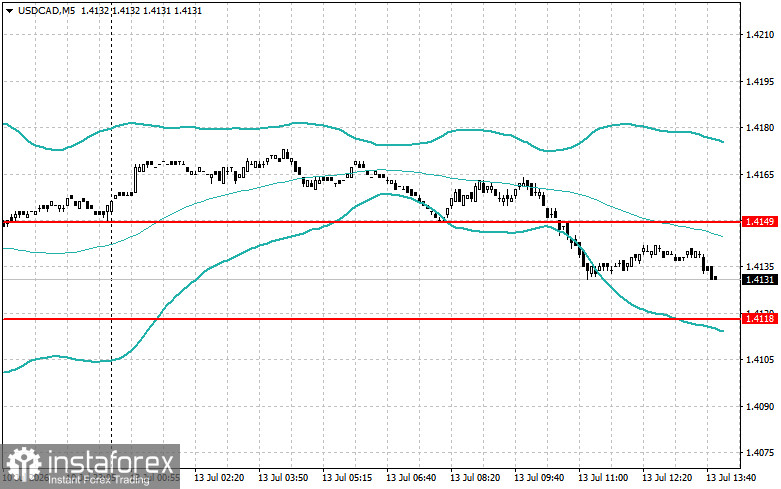
USD/CAD
- Sell after a false breakout above 1.4149, once the price falls back below this level.
- Buy after a false breakout below 1.4118, once the price returns above this level.