 English
 Русский
 Bahasa Indonesia
 Bahasa Malay
 ไทย
ไทย Español
 Deutsch
 Български
 Français
 Tiếng Việt
 中文
中文 বাংলা
বাংলা हिन्दी
 Čeština
 Українська
 Română



The US dollar index, which tracks the dollar against a basket of currencies, is trying to recover but has so far been unsuccessful, staying near its lowest level since June 17, set on Monday, as traders await further developments in the Middle East crisis and the key US monthly employment data due Friday.
Esmail Bagai, a spokesman for Iran's Foreign Ministry, said Iran and Oman are close to finalizing a framework for commercial shipping through the Strait of Hormuz. That has boosted optimism about diplomatic progress toward resolving the five-month US–Iran dispute, which—together with weaker expectations for Fed rate hikes—has weighed on the dollar against the currency basket.
Wednesday's ADP report showed 44,000 private sector jobs added in July, well below 98,000 in the prior month and far short of analyst forecasts. The US ISM Services PMI also disappointed, coming in at 54.1 in July, only slightly above June's 54. These releases cool aggressive Fed tightening bets and have put dollar bulls on the defensive.
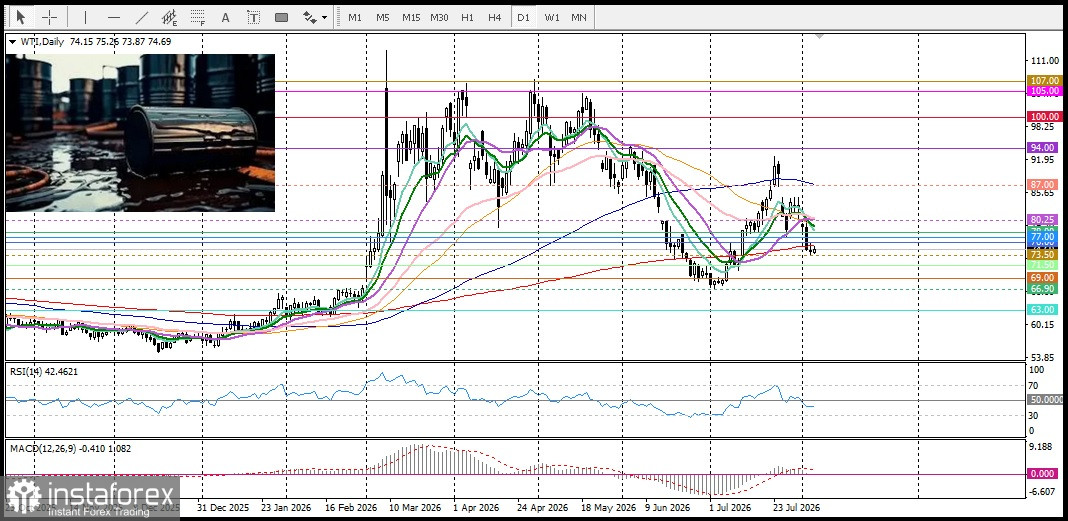
In addition, Iran-backed Houthi forces reported missile attacks on a Saudi oil tanker off the Red Sea port of Yanbu and another tanker in the Gulf of Aden, which pushed oil prices modestly higher.
Those events keep inflation and rate hike uncertainty on the table, which may deter bears from opening fresh positions against the dollar and help cap further depreciation.
For better trading opportunities, it makes sense to wait for Friday's closely watched US nonfarm payrolls (NFP) report to get fresh signals on Fed policy direction and determine the short-term path for the DXY. Upcoming geopolitical developments could continue to boost volatility in global financial markets, creating short-term trading opportunities for the dollar.
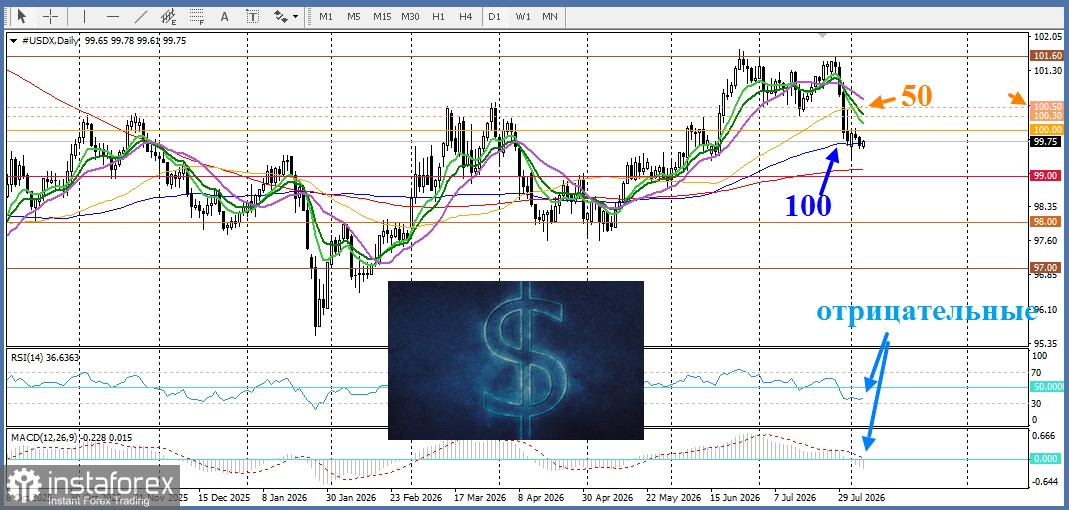
From a technical standpoint, on the daily chart, the US dollar index stands at 99.76 and is attempting to clear the 100-day SMA, while maintaining a short-term bearish trend below the 50-day simple moving average (SMA) at 100.50. The gap to that SMA shows the index is still trading at the lower end of its recent range, and prior bounce attempts have failed to break the medium-term trend. A decisive break above this key barrier is needed to ease current downward pressure. Oscillators remain negative, indicating bears retain the upper hand.