 English
 Русский
 Bahasa Indonesia
 Bahasa Malay
 ไทย
ไทย Español
 Deutsch
 Български
 Français
 Tiếng Việt
 中文
中文 বাংলা
বাংলা हिन्दी
 Čeština
 Українська
 Română



Gold (XAU/USD) has not yet fully broken above the $4,500 level and is consolidating below it, although it remains close to its highest level since early June, reached earlier on Thursday.
Against the backdrop of geopolitical uncertainty, the U.S. dollar stabilized after falling to a three-month low the previous day, prompting profit-taking in the precious metals market. However, lower U.S. Treasury yields continue to undermine the dollar, contributing to a decline in the U.S. Dollar Index.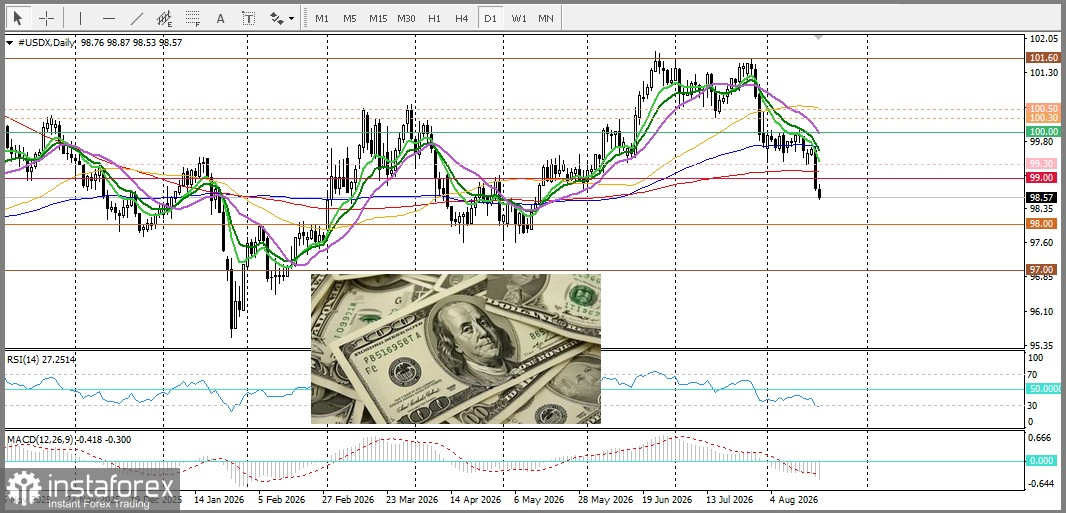 The FOMC minutes from the July 28–29 meeting showed that Federal Reserve officials emphasized the need for a near-term rate hike if further progress in combating inflation is not achieved. Meanwhile, new U.S. macroeconomic data showed moderate price growth in July, although inflation remains significantly above the Fed's 2% target. Moreover, investors remain concerned that rising energy prices amid the Middle East crisis could further increase inflationary pressure. This is leading to expectations of at least one Fed rate hike in 2026. In addition, the ongoing conflict between the United States and Iran is strengthening the dollar as a safe-haven asset, which is also viewed as a factor weighing on gold.
In recent statements, President Donald Trump announced the launch of the "most devastating economic operation" against Iran and threatened severe financial sanctions against any country that helps Tehran circumvent sanctions or conducts business with it. The situation in the Strait of Hormuz remains tense, which continues to support the dollar. Nevertheless, falling U.S. Treasury yields are preventing dollar bulls from responding aggressively.
The U.S. Treasury has taken measures to support the bond market, announcing that it will at least double its purchases of long-term government bonds starting in September. This pushed the yield on 30-year Treasury bonds to its lowest level since June 2007. According to TD Securities, the "increase in bond buybacks under the liquidity-support program" provided momentum to the precious metals market, once again attracting interest in gold and similar assets.
Today, traders should wait for the release of U.S. economic data to identify better trading opportunities. Thursday's data include the Philadelphia Fed Manufacturing Index and weekly initial jobless claims. These data, together with comments from influential FOMC members and new geopolitical developments, will determine the direction of the U.S. dollar and the price of gold.
From a technical perspective, XAU/USD has encountered resistance at $4,535 and has failed to fully break above the 200-day simple moving average (SMA). This indicates that the short-term upside potential may weaken. Nevertheless, the Relative Strength Index (RSI) is close to the overbought zone, while the MACD remains in positive territory, indicating continued bullish momentum.
As for support, the nearest level is around $4,450. On the other hand, bulls need to break above the $4,530–4,535 level before positioning for further growth.