 English

 Русский
 Bahasa Indonesia
 Bahasa Malay
 ไทย
 Español
 Deutsch
 Български
 Français
 Tiếng Việt
 中文
 বাংলা
 हिन्दी
 Čeština
 Українська
 Română



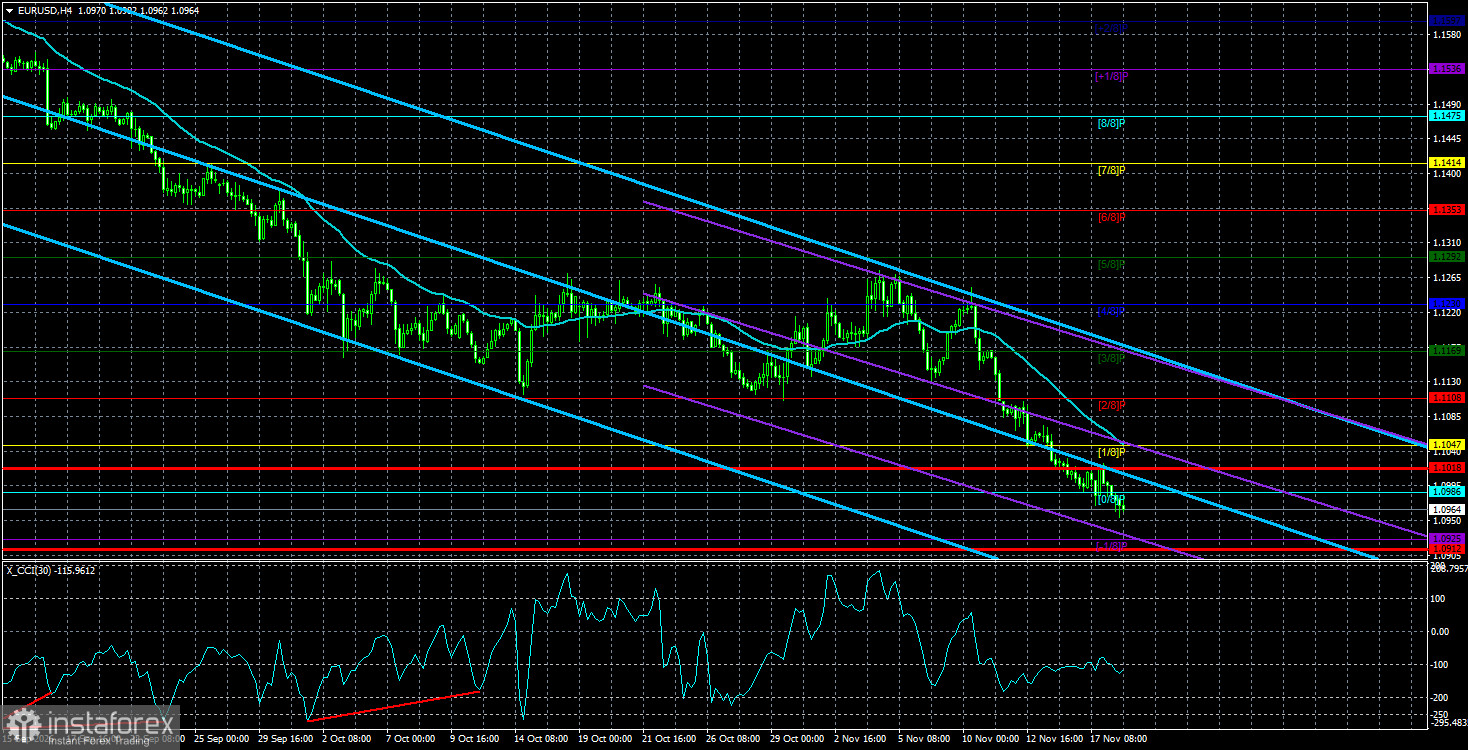
This week the U.S. currency is rising on all fronts. The strength of the dollar is most visible versus its chief rival—the euro. Over the past three months the euro has fallen as if it were the Zambian kwacha rather than a major currency. Jokes aside: the dollar is not appreciating for no reason—the Fed is taking an increasingly hawkish stance.
Let us set aside all musings about the market's curious tendency to ignore factors that argue against the euro or the pound. If we abstract from every factor except Fed policy, the market is absolutely right: hawkish sentiment is indeed intensifying day by day. That said, I do not think the shift is so extreme that the dollar should rise without pause for three months straight—but participants clearly disagree.
Large commercial banks are revising their FOMC rate forecasts for the coming months. One important detail: the market expected at least three rounds of Fed tightening back in September; now talk is of four rounds by March next year. So the difference between earlier expectations and current ones is not enormous and hardly justifies a three-month dollar rally by itself. Also keep in mind the ECB may deliver a third hike in December and could add a fourth next year.
There are 12 voting members on the FOMC. If one becomes more hawkish, the dollar will rise. If all twelve adopt a tougher stance, it still boils down to the Fed's decisions at upcoming meetings. It does not matter how many officials publicly state their readiness for tougher measures—they collectively form the Fed. The relevant question is how much the Fed's overall stance has hardened, not the number of individual officials making hawkish comments.
What we see now is this: on Monday Mary Daly hints at stronger tightening—the dollar rises. On Tuesday Christopher Waller says he would support a 50-bp move—the dollar rises again. On Wednesday Auston Goolsbee speaks about high inflation and a longer tightening cycle—the dollar rises again. But they are all talking about the same event: the path of rates. Previously the Fed considered 2–3 hikes; now 3–4 are on the table. The ECB and the Bank of England will probably also deliver 3–4 rounds in total.
So our point is the mismatch between the real tightening of Fed policy and the market reaction. Whatever the fundamentals, the euro is not a "third-world" currency. No matter how strong a move, corrections, pullbacks, and profit-taking should occur. Right now we see none of that—and that is the illogical part of the euro's current drop. On the other hand, nothing prevents the market from trading purely on technical factors while understanding their nature.
Trading recommendations for EUR/USD:
EUR/USD remains in a downtrend that lacks sufficient fundamental, macroeconomic, and geopolitical grounds for reversal. The global fundamental backdrop for the dollar is negative overall, yet in 2026 geopolitics first and then the Fed's hawkish shift provided strong support for the U.S. currency. Almost all other factors have been ignored for the last three months. When price trades below the moving average, consider shorts with targets at 1.0925 and 1.0912, as the trend remains downward. Above the moving average, consider longs with targets at 1.1108 and 1.1169—this illogical fall will end sooner or later.
Trading recommendations for GBP/USD:
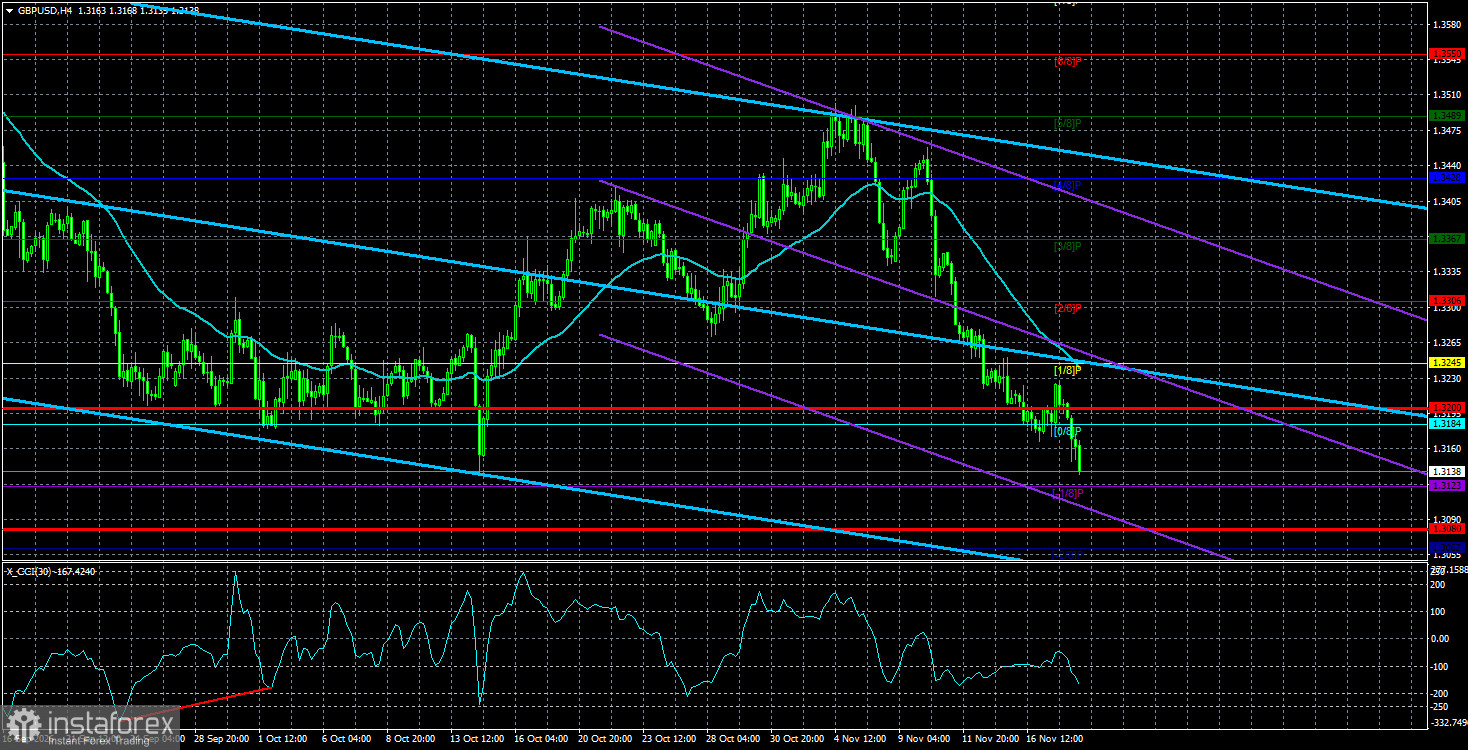
GBP/USD has begun a new downtrend that is part of the daily sideways channel. 2026 has been super-dollar-positive because geopolitics and inflation drove capital to safety and the Fed returned to tightening. However, the weekly TF still shows a flat between 1.3150 and 1.3780 within a four-year uptrend, which supports a medium-term bullish case for the pound. Consider longs above the moving average with targets at 1.3367 and 1.3428. If the price trades below the moving average, trade the downside toward 1.3123 and 1.3080. Be cautious with shorts—the price is near the lower edges of the sideways channels.
Illustration notes:
- Linear regression channels help identify the current trend: if both point the same way, the trend is strong.
- The smoothed moving average (settings 20,0) defines the short-term trend and the direction to trade.
- Murray levels are target levels for moves and corrections.
- Volatility bands (red lines) indicate the likely intraday price corridor based on current volatility.
- CCI entering oversold (below -250) or overbought (above +250) territory signals an approaching trend reversal.