 English

 Русский
 Bahasa Indonesia
 Bahasa Malay
 ไทย
 Español
 Deutsch
 Български
 Français
 Tiếng Việt
 中文
 বাংলা
 हिन्दी
 Čeština
 Українська
 Română



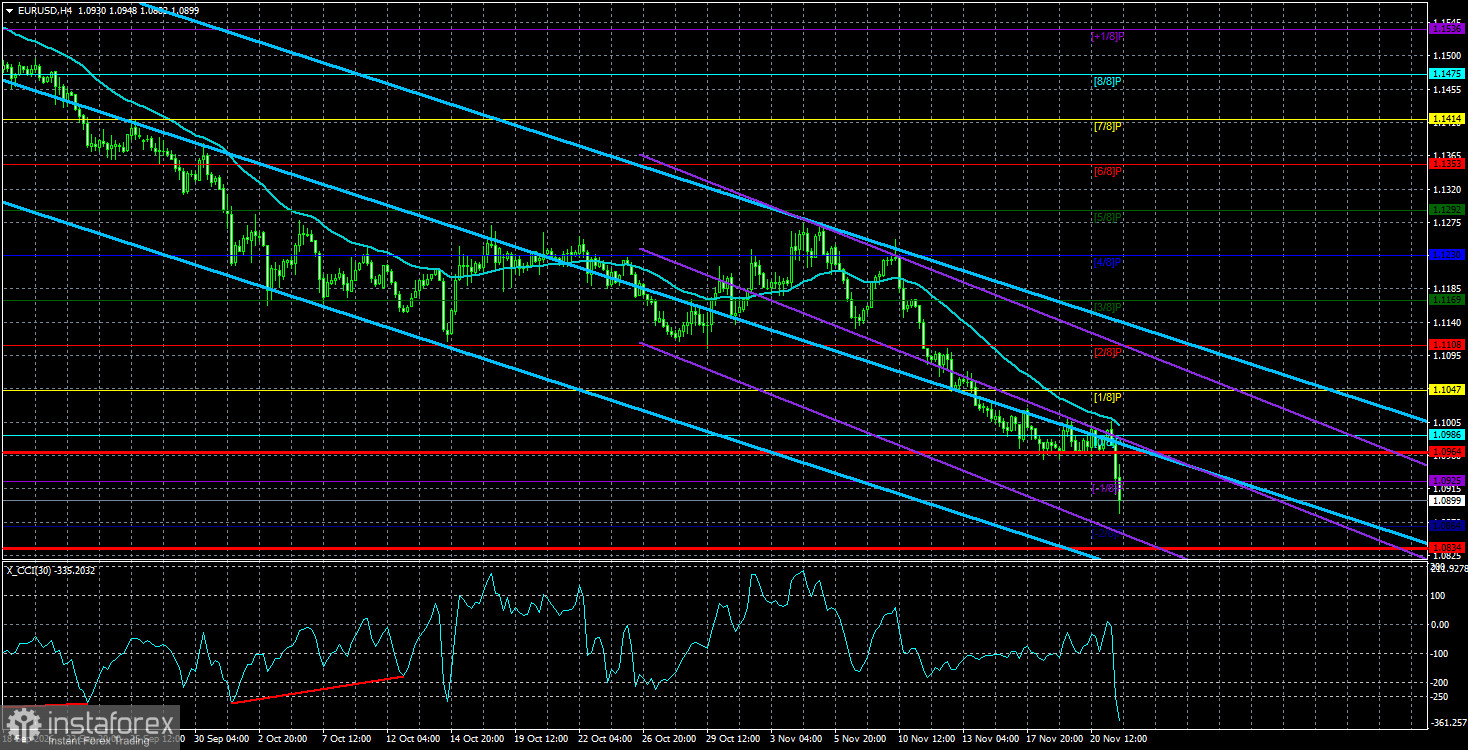
On Monday's moves in detail. In this piece we will discuss another very interesting topic.
We should start with the background. Last summer markets—and we among them—strongly doubted the Fed's ability to raise rates for real rather than for show. By summer it became clear that U.S. inflation remained above target and would most likely accelerate. Yet in May the new head of the U.S. central bank turned out to be Kevin Warsh, a "Trump man." The president took a long time to decide on a nominee, so nobody doubted that a key requirement for the new chair would be readiness to cut the policy rate. Donald Trump thinks U.S. inflation is perfectly normal and Americans will not notice it because they are getting richer every day. Presumably Americans should not notice tariffs or a doubling in diesel prices either. But Americans did notice, and the Republican Party paid a heavy price at the congressional elections. In any case, Trump believes the Fed rate should stimulate growth and that other economic indicators are secondary.
That is why markets reasonably doubted the Fed under Warsh could actually raise rates. However, it turned out the Fed was prepared to tighten—and the reasons hardly matter. The important point is Jerome Powell kept his place on the FOMC, and that is the first factor preserving a hawkish tilt. The FOMC has 12 voting members, and it would be naive to expect all of them to simply follow Warsh (theoretically). So perhaps Warsh himself does not back tightening in reality, but his view would be in the minority, and it makes no sense to vote against the committee.
As a result, the Fed has already raised the policy rate once, but everyone understands this is only the start of a cycle. In recent months Trump was fully absorbed by Iran and the congressional elections and even forgot about monetary policy. For now, the White House owner refrains from renewed calls to cut rates. Instead, Scott Bessent, the U.S. Treasury secretary and also a "Trump protege," has twice urged stopping further tightening on the administration's behalf.
Bessent's position differs little from the president's. The Treasury secretary sees nothing alarming in current consumer price growth and believes that next year factors such as tariffs and high energy prices will begin to ease, leading to an organic decline in inflation. Therefore, further monetary tightening is not necessary. According to Bessent, many people think too strong tightening will damage the U.S. economy. Who those "many" are, he did not say. The Fed is unlikely to pay heed to the Treasury secretary's calls.
Trading recommendations for EUR/USD:
EUR/USD remains in a downtrend that lacks sufficient fundamental, macroeconomic, and geopolitical grounds for reversal. The global fundamental backdrop for the dollar remains negative, yet in 2026 geopolitics first and then the Fed's hawkish stance provided powerful support to the U.S. currency. Almost all other factors have been ignored over the past three months. When price trades below the moving average, consider shorts with targets at 1.0925 and 1.0834, since the trend remains down. Above the moving average, consider longs with targets at 1.1108 and 1.1169—this illogical fall will end sooner or later.
Trading recommendations for GBP/USD:
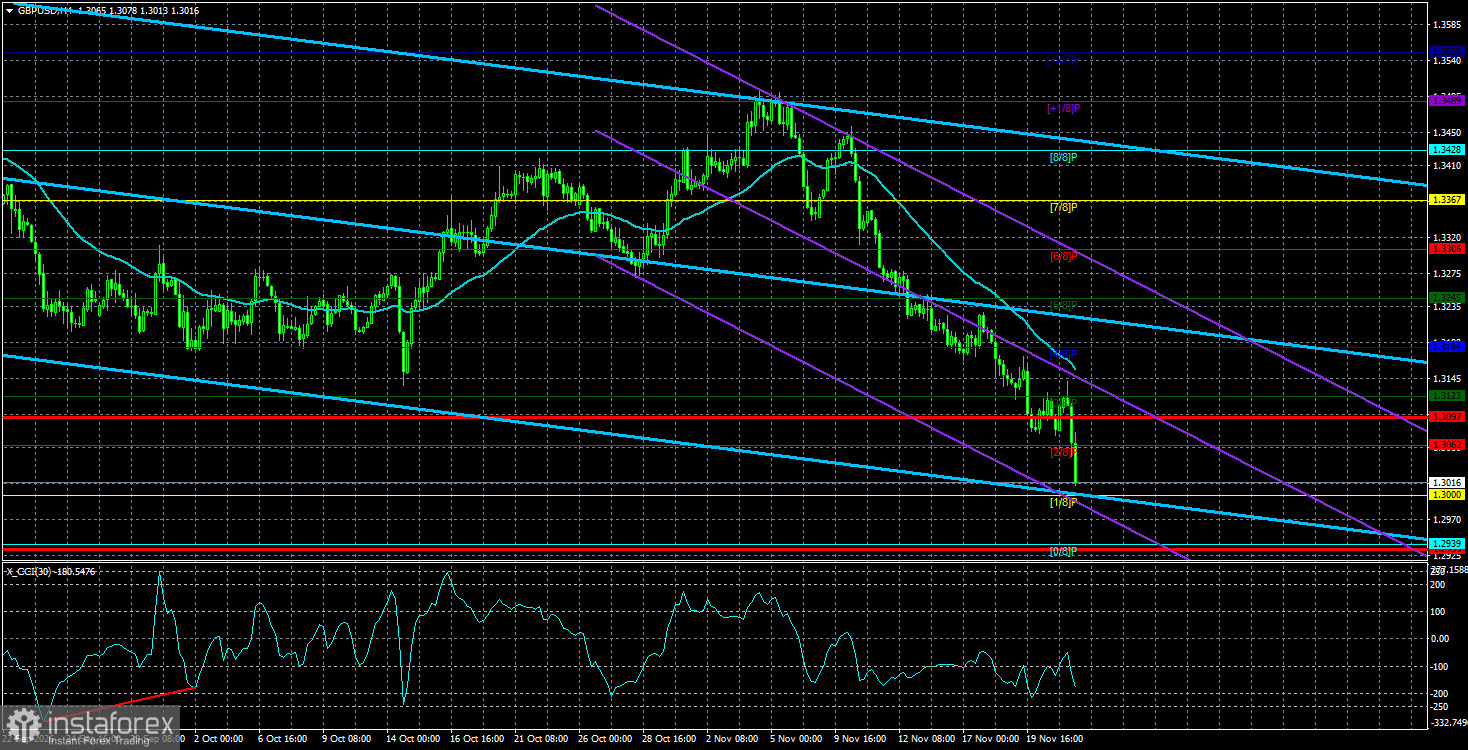
GBP/USD continues a new downtrend that can still be regarded as part of the daily sideways channel. 2026 has been super dollar positive because geopolitics and inflation forced capital to flee and the Fed returned to tightening. On the weekly TF a flat persists between 1.3000 and 1.3780 within a four-year uptrend, which supports a medium-term bullish case for sterling. Consider longs above the moving average with targets at 1.3306 and 1.3367. Price below the moving average allows trading the downside toward 1.3000 and 1.2933. Be cautious with shorts—the price is near the lower edge of the sideways channel.
Illustration notes:
- Linear regression channels help identify the current trend. If both point the same way, the trend is strong.
- The smoothed moving average (settings 20,0) defines the short-term trend and the direction to trade.
- Murray levels are target points for moves and corrections.
- Volatility bands (red lines) indicate the likely intraday price corridor based on current volatility.
- CCI entering oversold (below -250) or overbought (above +250) territory signals an approaching trend reversal.