 English
 Русский
 Bahasa Indonesia
 Bahasa Malay
 ไทย
ไทย Español
 Deutsch
 Български
 Français
 Tiếng Việt
 中文
中文 বাংলা
বাংলা हिन्दी
 Čeština
 Українська
 Română

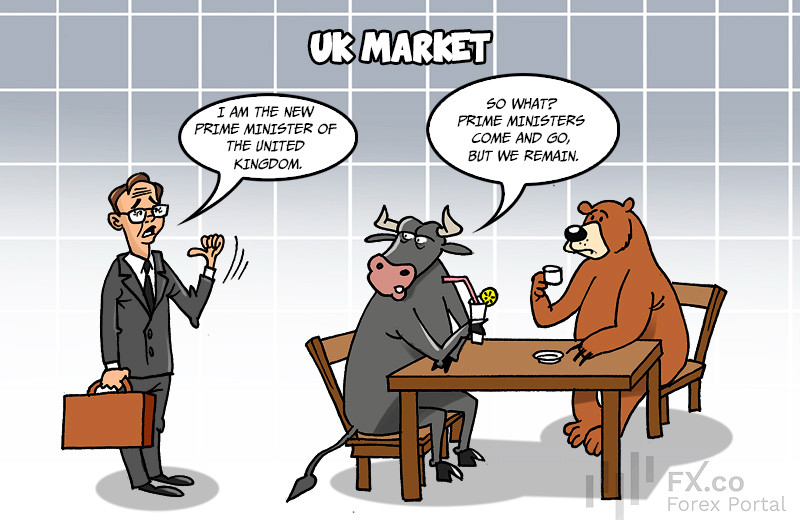
New Prime Minister Andy Burnham faces tight budget constraints that point to a highly restrained autumn budget. ING Economics analysts warn that bold moves on capital investment, tax reform, or a snap election could nevertheless roil UK financial markets. For now, investors remain calm: Burnham’s ascent to power provoked little negative reaction in the gilt market, and the risk premium on government bonds remains contained because most market participants do not expect rash moves by the new leadership this year.
The prime minister’s ambitions, from large housing investments to questions of nationalization, are tightly limited by a commitment to observe fiscal rules and not to raise core taxes. Under the baseline scenario, experts expect a budget focused on eye‑catching but relatively inexpensive measures: lower bus fares, tax relief for the hospitality sector, and shifting some energy support into general taxation. An autumn borrowing reserve of £16 billion, created by reforms by outgoing Chancellor Rachel Reeves, will help offset deteriorating forecasts from higher borrowing costs and lower migration. At the same time, gilt issuance in the current financial year will fall from £304 billion to £246 billion, a rare example of actual budget tightening.
Potential surprises highlighted by analysts include the creation of regional housing banks, a possible pension reform named “triple lock,” changes to property taxation, including an expanded mansion tax from 2028, and a likely adjustment of the fiscal rules themselves to accommodate defense spending. The principal wildcard, however, remains an early general election. The latest YouGov voting poll shows Reform UK leading on 24% of the vote. That means a snap vote could be viewed negatively by markets because of the risks of political paralysis or a sharp rise in borrowing. Under the baseline scenario of a restrained budget, ING expects the Bank of England to resume cutting interest rates in 2027.