 English
 Русский
 Bahasa Indonesia
 Bahasa Malay
 ไทย
ไทย Español
 Deutsch
 Български
 Français
 Tiếng Việt
 中文
中文 বাংলা
বাংলা हिन्दी
 Čeština
 Українська
 Română

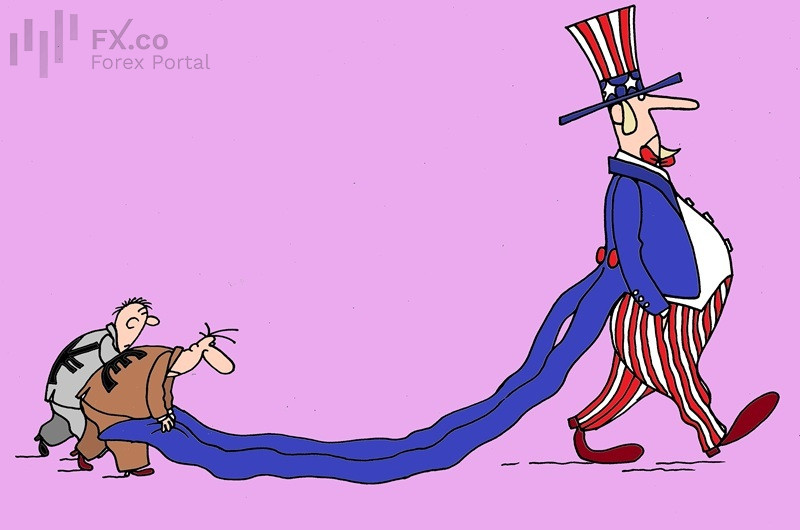
European central bankers left the economic symposium in Wyoming with a palpable sense of unease. Recent unilateral maneuvers by US President Donald Trump’s administration have prompted serious doubts in Europe regarding the stability of transatlantic financial cooperation.
The primary cause for concern was the US Treasury’s currency intervention on August 1, aimed at stabilizing the Japanese yen. Treasury Secretary Scott Bessent confirmed that US authorities sold euros to purchase yen. European officials were outraged not by the market action itself but by a breach of diplomatic etiquette: Washington executed a substantial sell-off of their currency without the customary warning in advance.
Further adding to their anxiety are Bessent’s experiments with US government debt. The Treasury plans to increase the volume of buyback operations for long-term Treasury bonds, presumably financing this by issuing short-term securities. In Europe, these moves are viewed as the White House’s readiness to artificially lower borrowing costs. Among regulators, concerns are growing that the administration may begin to pressure the Federal Reserve into bond purchases. The US Treasury has dismissed these suspicions, labeling its actions as technical measures to ensure liquidity.
Amid the unpredictability from Washington, Europeans are beginning to question even basic protective mechanisms, including the Federal Reserve’s dollar swap lines, which provide global liquidity during crisis moments. While the threat of canceling these swaps is not currently on the agenda, new Fed Chair Kevin Warsh is actively seeking to build bridges with foreign counterparts, assuring them that the political decisions coming from the White House will not compromise the independence of the American regulator.
Comments: