 English

 Русский
 Bahasa Indonesia
 Bahasa Malay
 ไทย
 Español
 Deutsch
 Български
 Français
 Tiếng Việt
 中文
 বাংলা
 हिन्दी
 Čeština
 Українська
 Română


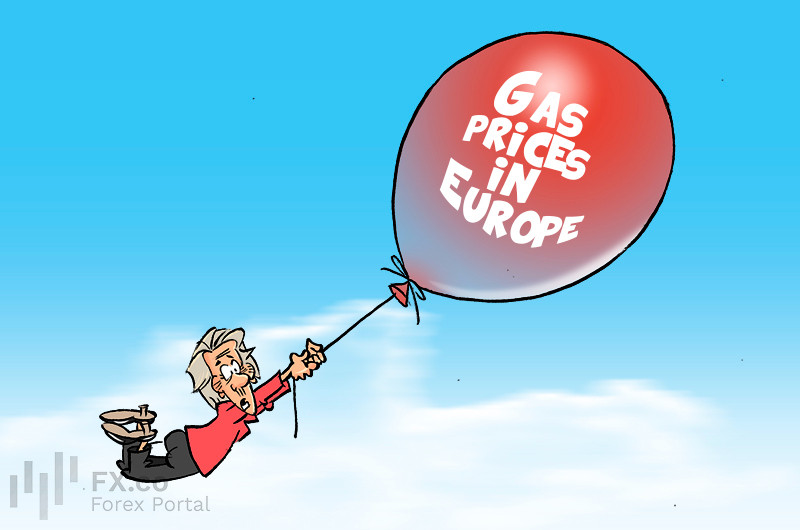
On October 20, European wholesale gas prices topped €90 per megawatt‑hour, hitting their highest level since December 2022, Bloomberg reported. During trading at the Dutch TTF hub, prices reached nearly $1,062 per 1,000 cubic metres, roughly three times the levels seen before the large‑scale Middle East military confrontation involving the United States and Iran.
The sharp fuel rally has been driven primarily by disruptions to maritime logistics. Increased attacks on tankers in the Strait of Hormuz and strikes by Yemen’s Houthis on Gulf energy infrastructure have effectively blocked a key transport route, triggering a steep drop in LNG supplies to European buyers. The picture is made worse by critically low storage: EU underground gas stocks are only about 75% full, an unprecedented low for this time of year since records began in 2009, and Germany’s inventories have fallen to a worrying 60%.
In response to the mounting crisis, the European Commission urged member states to impose strict conservation measures and radically cut electricity and gas consumption. EU Commissioner Dan Jorgensen said demand reduction policies should remain in place “for as long as needed.” Despite the severe shortage and price pressure, Brussels stressed it will not change its strategic course: the bloc plans to entirely eliminate reliance on Russian pipeline and LNG supplies by the end of next year.