 English

 Русский
 Bahasa Indonesia
 Bahasa Malay
 ไทย
 Español
 Deutsch
 Български
 Français
 Tiếng Việt
 中文
 বাংলা
 हिन्दी
 Čeština
 Українська
 Română


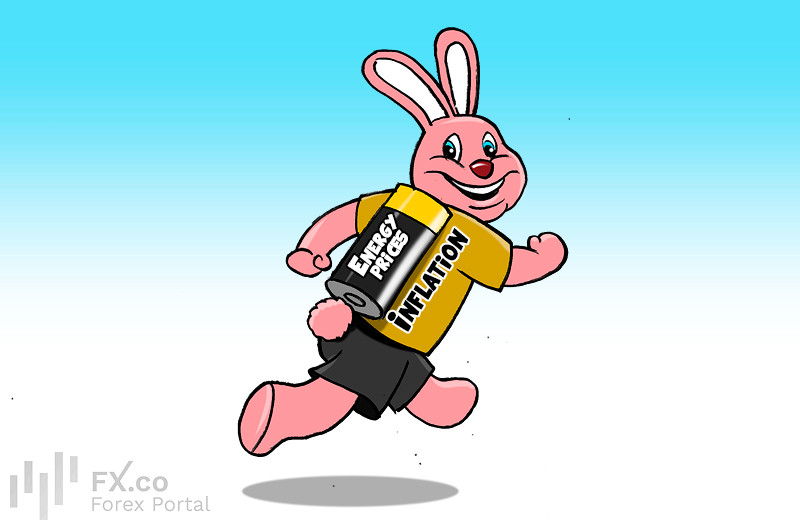
The European Central Bank (ECB) remains seriously concerned about the risk of a renewed inflationary surge in the euro area amid rising energy prices, ECB Governing Council member and Governor of the Central Bank of Ireland Gabriel Makhlouf said on Wednesday, November 11, in remarks at Technological University Dublin. He said the principal threat to price stability in the region is a sharp rise in oil, gas, and other commodity prices, which directly increases firms’ production costs and is inevitably passed through to consumer prices.
At the same time, the regulator is seeing a notable tightening of financial conditions across the currency bloc. Makhlouf noted that rising yields on sovereign debt are raising borrowing costs for corporations and households. As a result, the ECB must balance two opposing forces: an energy shock calls for measures to rein in price growth, while higher financing costs are already cooling investment activity and slowing economic growth in the euro area.
Against the continued uncertainty within the Governing Council, debate is intensifying over the need for further monetary tightening. Bundesbank President Joachim Nagel and Bank of Italy Governor Fabio Panetta have already voiced support for a rate increase at the ECB’s December meeting, arguing that an additional step may be required to prevent high inflation from becoming entrenched in the European economy.