 English
 Русский
 Bahasa Indonesia
 Bahasa Malay
 ไทย
ไทย Español
 Deutsch
 Български
 Français
 Tiếng Việt
 中文
中文 বাংলা
বাংলা हिन्दी
 Čeština
 Українська
 Română

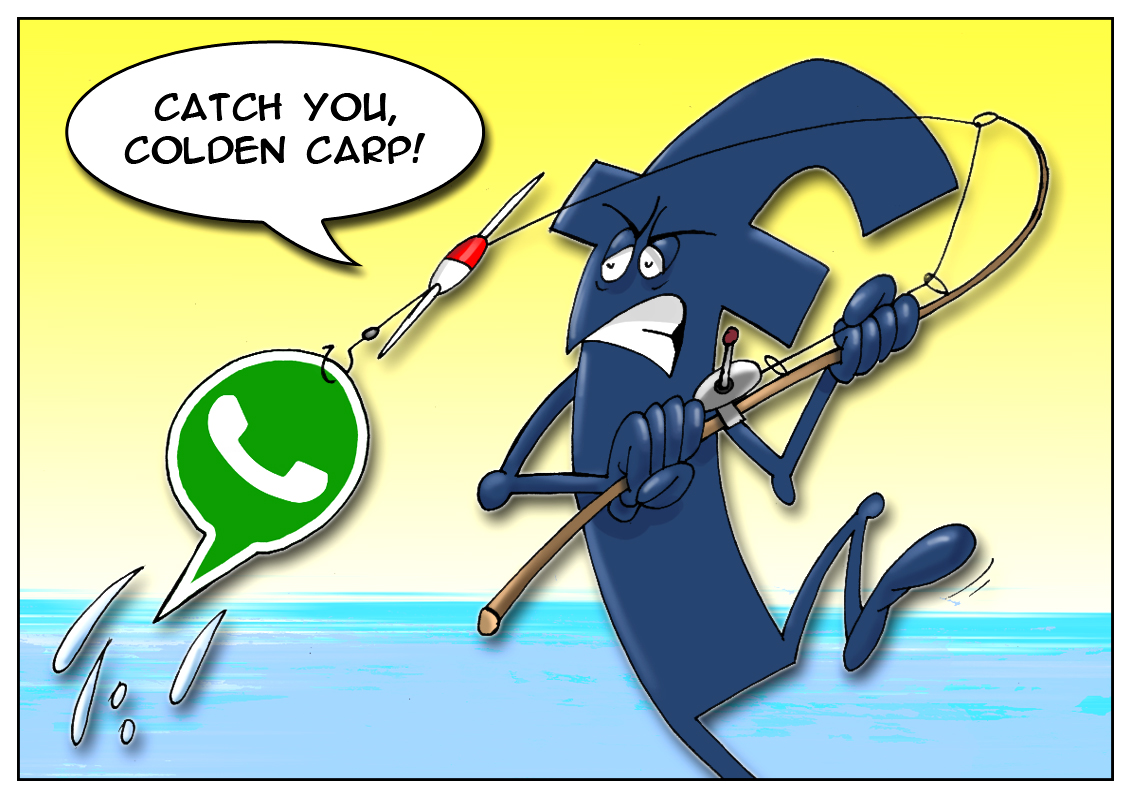
The European Commission approved Facebook's $19 billion acquisition of mobile-messaging startup WhatsApp for $19 billion. This is a huge opportunity for the social media giant which wants to transform the telecom industry. However, the anti-monopoly authorities believe that the competition in this sector will intensify on the contrary. "We have carefully reviewed this proposed acquisition and come to the conclusion that it would not hamper competition in this dynamic and growing market," Joaquin Almunia, the EC competition commissioner, said in a statement. After the landmark deal is completed, Facebook is to get two messaging applications independent on each other. One messenger is to be embedded in the internet portal and mobile applications. Facebook promised to keep the WhatsApp brand, service, and the team of developers. Besides, the social network will be provided with versatile support. WhatsApp is already one of the most popular mobile apps for good reason. With a $1 annual subscription fee, it was designed for users to exchange text messages, photos, and videos via internet for free. So, WhatsApp is a strong rival to large cell phone companies charging users for SMS. Nowadays, the number of its users is 450 million exceeding the audience of its competitors such as Viber, WeChat and others. Recently, WhatsApp has announced its plan to add free voice-call services for 450 million customers by the end of the year. Interestingly, currently even Skype does not offer this function. If you want to call to a cell phone, you need to deposit some money to your account.