 English
 Русский
 Bahasa Indonesia
 Bahasa Malay
 ไทย
ไทย Español
 Deutsch
 Български
 Français
 Tiếng Việt
 中文
中文 বাংলা
বাংলা हिन्दी
 Čeština
 Українська
 Română

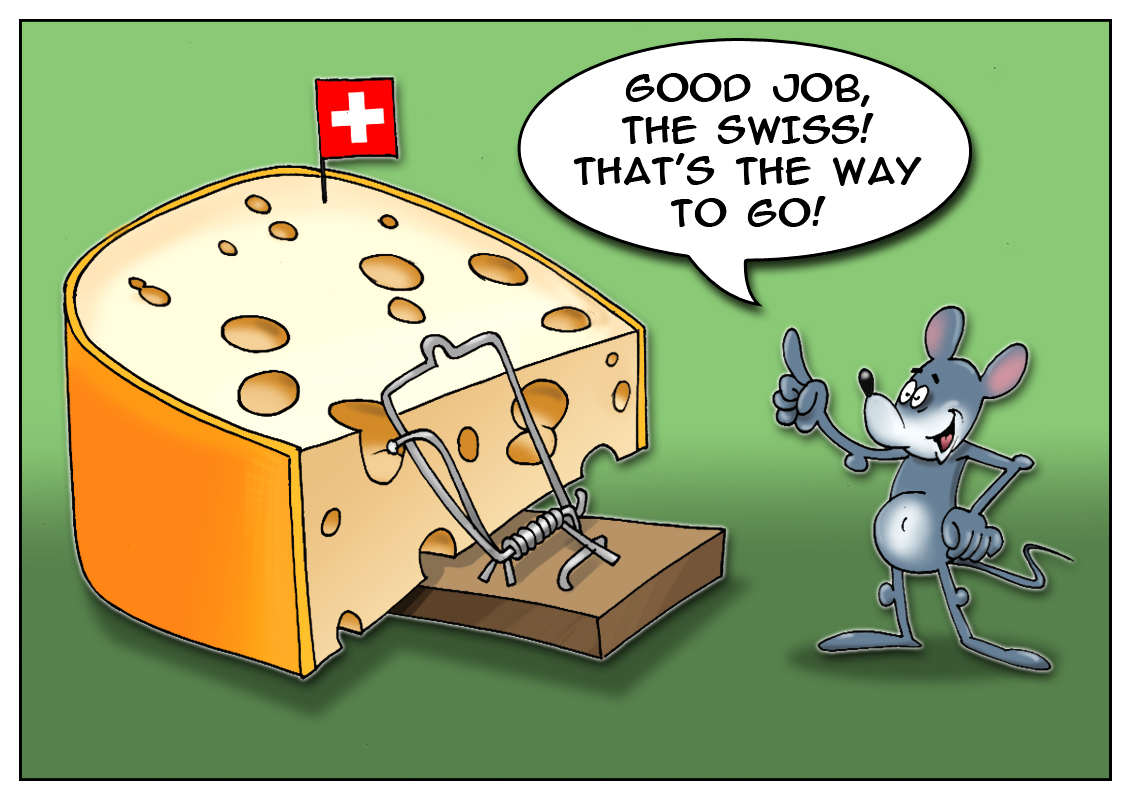
Exports of Swiss cheese to Russia have increased significantly. As reported by the manufacturers, supplies grew by more than fivefold. The European cheese makers hope that demand will be sustained and will continue to increase. After the Russian authorities imposed retaliatory sanctions on imports of certain types of food products, great opportunities to take the vacant chain of suppliers have opened up. Switzerland has every reason to fight for the consumer as Swiss cheese is considered one of the best in the world, and the country is not part of the European Union, so the sanctions do not apply to it. Manufacturers were ready for a sharp increase in demand from Russian companies and were able to partially compensate for the loss of the previous supply chain. According to the official report of the Swiss Federal Customs Administration, exports of food products have increased substantially. In September 2013, Russia exported a total of 28 tons of cheese. Meanwhile, by the end of last month, the figure was 160 tonnes, an increase by more than five times. "We were able to significantly increase our exports compared to last year,” said Daniel Daetwyler, managing director at Intercheese, commenting on the news of increased demand from Moscow. However, the Russian retailers are not interested in the high-quality product. According to cheese producers, Russian consumers prefer cheese from the lowest price segment. Earlier, Minister of Agriculture of the Russian Federation Nikolai Fyodorov said that food imports from countries on which Russia imposed a food embargo declined slightly. The most significant reduction in supply was in cheese products (a 30% decrease).