 English
 Русский
 Bahasa Indonesia
 Bahasa Malay
 ไทย
ไทย Español
 Deutsch
 Български
 Français
 Tiếng Việt
 中文
中文 বাংলা
বাংলা हिन्दी
 Čeština
 Українська
 Română

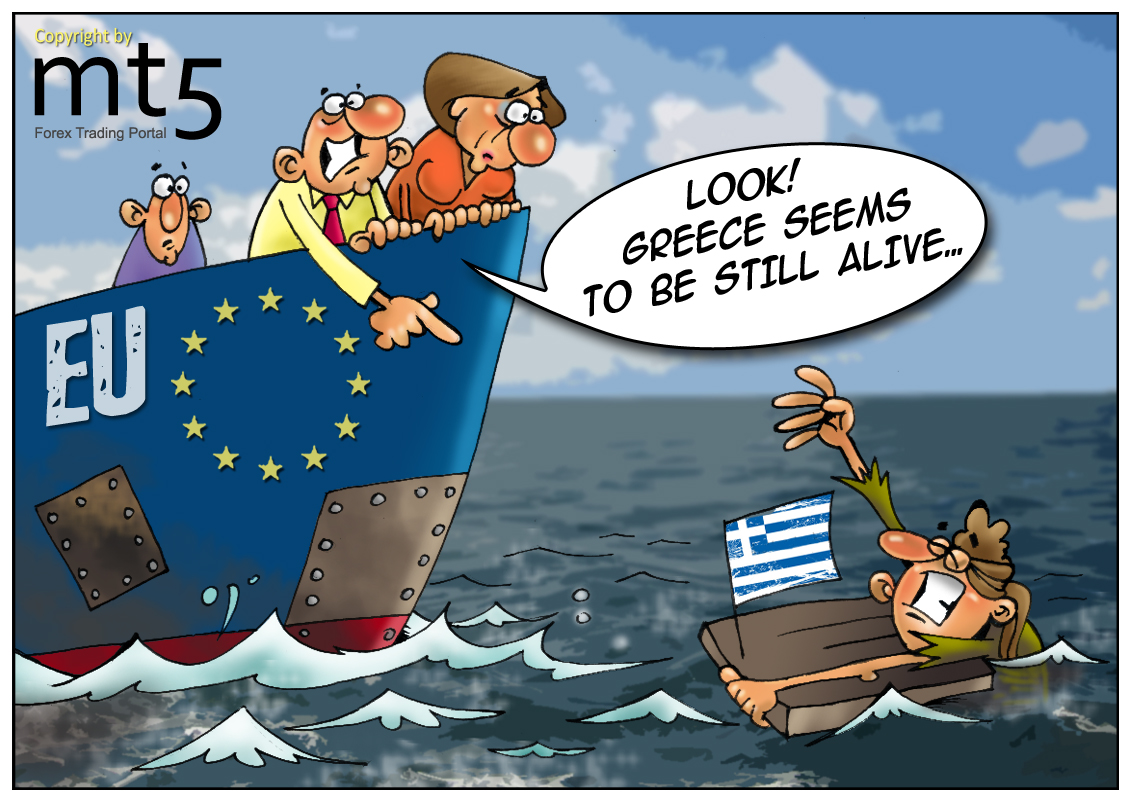
Greece carries on with its counter-crisis measures, and sociologists observe the first signs of progress.
Greece has been deep in recession for more than five years, but its GDP is still likely to keep decreasing in 2013. Meanwhile, statistical reports show first spurs of economic improvements in the country. For instance, in summer 2012 the industrial production posted modest growth. In addition, exports rose to a record high: in value terms, the volume of supplies to the foreign markets was estimated at 24 billion euros, which over 12% of the national GDP.
Furthermore, the healing effect of the austerity policies approved by the Greek Parliament is evident. The business climate index for Greece calculated by IOBE hit the highest reading over the past two years. “In our case, the high for the last two years means that 20 percent of entrepreneurs believed in improvement in economic conditions. It is hard to call overall optimism, but two years ago, we had only 10 percent,” Angelos Tsakanikas, head of research at Greece's IOBE economic research foundation, said.
The economist also stressed that now nothing threatens the Greece’s membership of the Eurozone. Greek banks see deposits growing for several months already, which indicates upbeat mood of the nationals. According to Mr Tsakanikas, Greece is at the determinative stage of combating the crisis.
“The past fiscal year was better than expected, and we firmly believe that in 2013 the government will achieve a significant budget surplus, except for debt service. So this will be a turning point,” - the IOBE chief economist predicted.
Despite the first positive signals, Finance Minister Yannis Sturnaras is far from benevolent mood. He said in Parliament: “We have only reduced the rate at which our boat is rushing on the rocks. As for changing its course, we have not succeeded.”