 English
 Русский
 Bahasa Indonesia
 Bahasa Malay
 ไทย
ไทย Español
 Deutsch
 Български
 Français
 Tiếng Việt
 中文
中文 বাংলা
বাংলা हिन्दी
 Čeština
 Українська
 Română

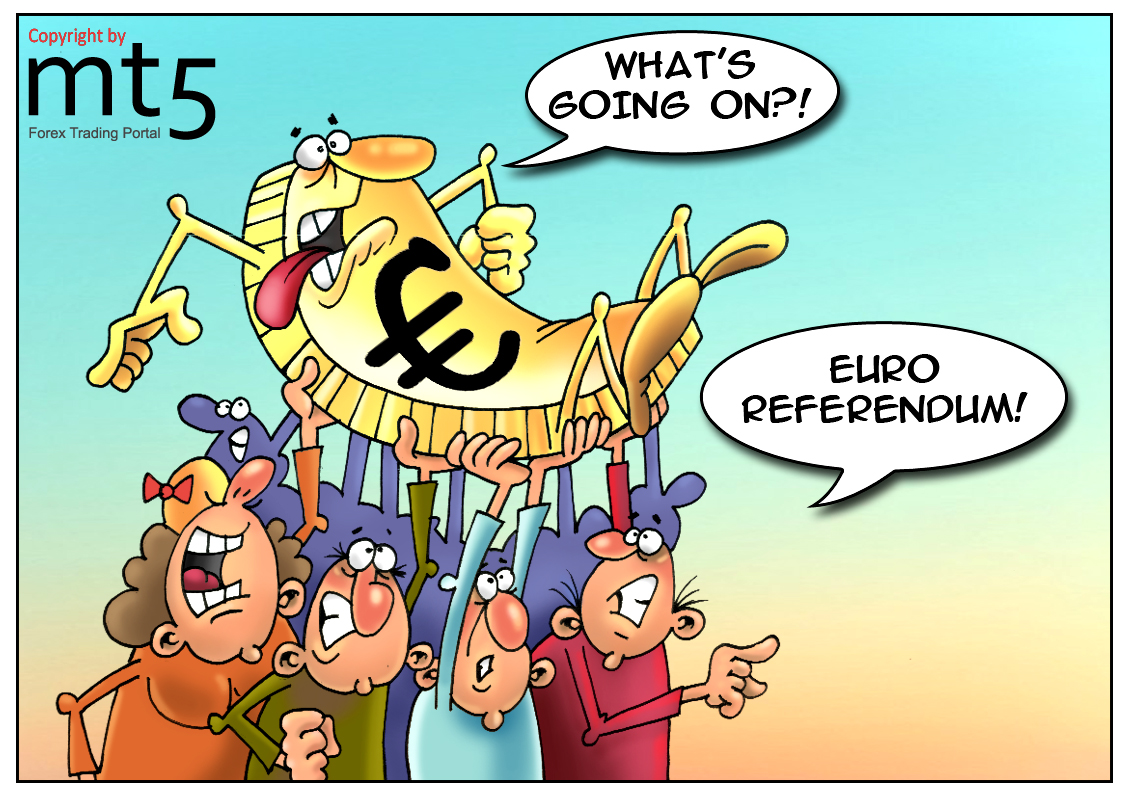
Eurozone accession has become one of the hottest issues across Europe. The doubts observed in the UK and Denmark that are still using national currencies yet being the eurozone members seem to be contagious.
One of the latest incidents occurred in Poland. The ruling party of the country offered the Polish Law and Justice Party to hold a referendum regarding joining the eurozone. Adoption of euro contradicts article 227 of the Constitution of the Republic of Poland. Poland’s constitution spells out that the National Bank of Poland acts as a central bank and is in charge of issuing the currency. In the event Poland successfully enters the currency bloc, the national monetary policy shall be determined by the European Central Bank alone. So, the Polish authorities are now at the paring of the ways facing a dilemma whether to make amendments to the constitution or abandon the idea of introducing the single currency. The first scenario is unreal unless the opposition approves it.
As to Great Britain and Denmark, both countries enjoy a number of privileges enabling them to preserve national currencies. Both nations could conduct a referendum regarding the euro as well, but they baulk at it.
The situation at hand cast a shadow on certain EU members. It even portends a contingency for referendums on secession from the union. Cyprus and Greece appear to be the first to potentially become scapegoats.
Presently, only 17 out of 27 EU countries are members of the eurozone. Estonia was the last to replace the national currency with the euro in 2011. The next country to switch to the euro is going to be Latvia in 2014.