 English
 Русский
 Bahasa Indonesia
 Bahasa Malay
 ไทย
ไทย Español
 Deutsch
 Български
 Français
 Tiếng Việt
 中文
中文 বাংলা
বাংলা हिन्दी
 Čeština
 Українська
 Română

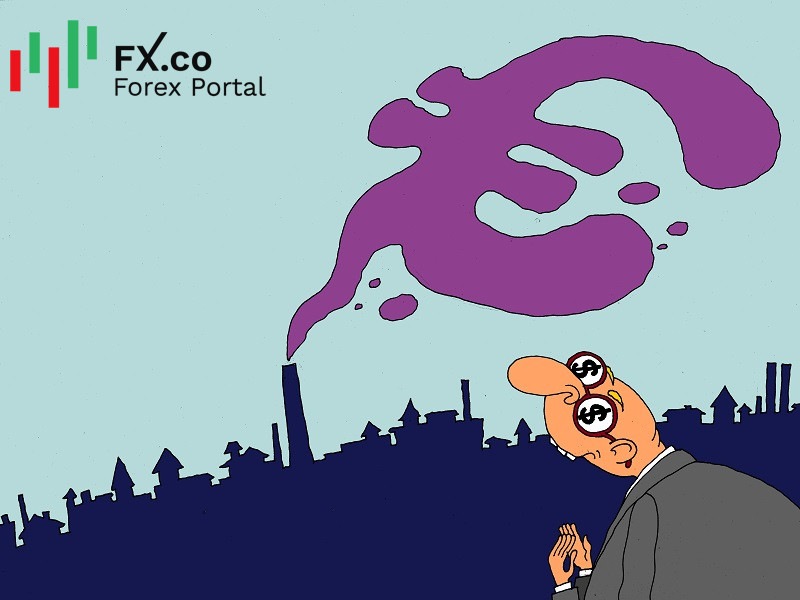
In the period from July 11-16, the euro reached parity with the US dollar for the first time in 20 years. Shortly after, it briefly dipped below parity, a one-to-one exchange rate. Pressures have been bearing down on the euro due to uncertainty over the ECB’s key rate decision and difficulties with Russian gas supplies.
The bears are holding the upper hand as it is still unclear whether the ECB will tighten monetary policy. For instance, the Fed has made several rate hikes to rein in soaring inflation in the country. As the Fed maintains hawkish rhetoric, the US dollar has started a bull run. The euro stood no chance versus the greenback given the ECB’s soft rhetoric. So, it began to decline. Even after that, the ECB seems in no hurry to raise the cash rate despite rising consumer prices in the region.
Additionally, the euro lost steam due to increased import costs fueled by rising energy prices, primarily for oil and gas. As a result, the eurozone trade balance swung into a record deficit. while the euro slid into a long-term bearish cycle.
Economic woes in the euro area are also pushing the euro down. Analysts believe that inflation in the EU is likely to be much higher than in the US. Besides, the economic expansion is far more sluggish there compared to the US. Naturally, it is a negative factor for the European single currency.
Investors have been flocking to the US dollar, a haven in times of economic upheaval, recession risks, and monetary tightening. Notably, the fight between the euro and the US dollar is taking place at a time of a reverse currency war. It is a global competition when countries are all trying to strengthen their national currencies.
Previously, a weak national currency boosted the competitiveness of domestic exports and thus economic recovery in the country. However, the situation is the opposite now due to galloping inflation. For this reason, countries are prone to increase the purchasing power of the national currency.
Nevertheless, there are some drawbacks to this approach. Local exporters may face huge losses because of a growing national currency. Besides, inflation is now rising rapidly worldwide with global inflation shocks transmitting significantly into countries. Apart from that, the mounting risks of a recession and the likelihood of gas shortage due to a decline in Russian energy supplies are also weighing on the EU economy.
The resumption of flows through Nord Stream 2 may also adversely affect the euro. If Russia reduces gas supplies, the level of its consumption in Europe will fall sharply. It may trigger an economic downturn and even stagflation, as well as further weakness of the euro.
To this end, it is hardly surprising to see the greenback skyrocketing. Besides, it always flexes muscles during crises as investors get rid of assets in emerging markets and buy the US dollar to hedge their positions in markets.
Comments: