 English
 Русский
 Bahasa Indonesia
 Bahasa Malay
 ไทย
ไทย Español
 Deutsch
 Български
 Français
 Tiếng Việt
 中文
中文 বাংলা
বাংলা हिन्दी
 Čeština
 Українська
 Română

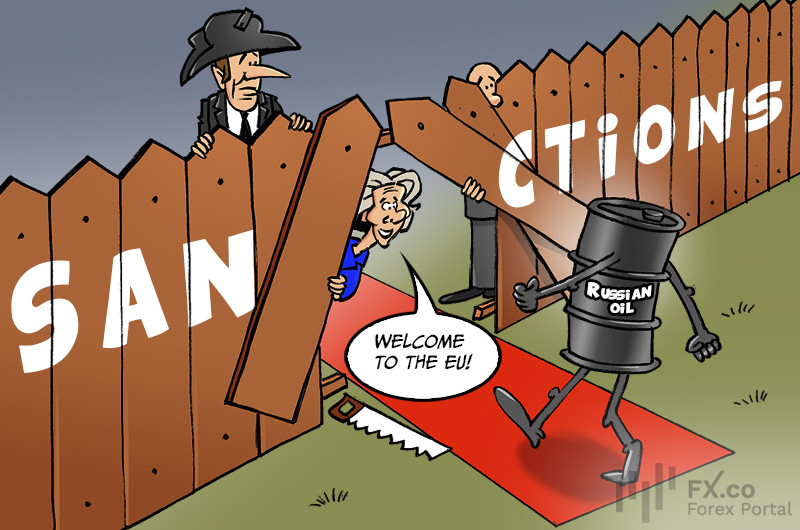
The European Commission has left out the ban on Russian oil transportation by European vessels and the provision of related insurance services from the draft of its 20th sanctions package. This decision aims to expedite the approval of a trimmed-down version of the document amid a global energy crisis.
Brussels' change in plans came after Kyiv resumed the flow of crude oil through the Druzhba pipeline and Hungary shifted its political stance. A diplomatic source indicated that the initial intentions to block oil transportation from Russia were formulated back in February 2026. However, ongoing energy instability, which has even prompted the United States to take emergency measures, forced EU leadership to reconsider its strategy regarding sanctions. The EU aims to avoid a sharp increase in logistics costs and destabilization of the global tanker shipping market.
The issue of fuel supply to Hungary and Slovakia has long hindered the agreement on new sanctions measures. The European Commission is now focused on finalizing the remaining points of the package to maintain sanctions pressure without compromising regional security. Regulators are concerned that a total ban on insurance and logistics could trigger an uncontrollable deficit in Central European countries. Excluding the most contentious provisions will help achieve the necessary unity among all EU member states during the final vote in Brussels.
Comments: