 English
 Русский
 Bahasa Indonesia
 Bahasa Malay
 ไทย
ไทย Español
 Deutsch
 Български
 Français
 Tiếng Việt
 中文
中文 বাংলা
বাংলা हिन्दी
 Čeština
 Українська
 Română

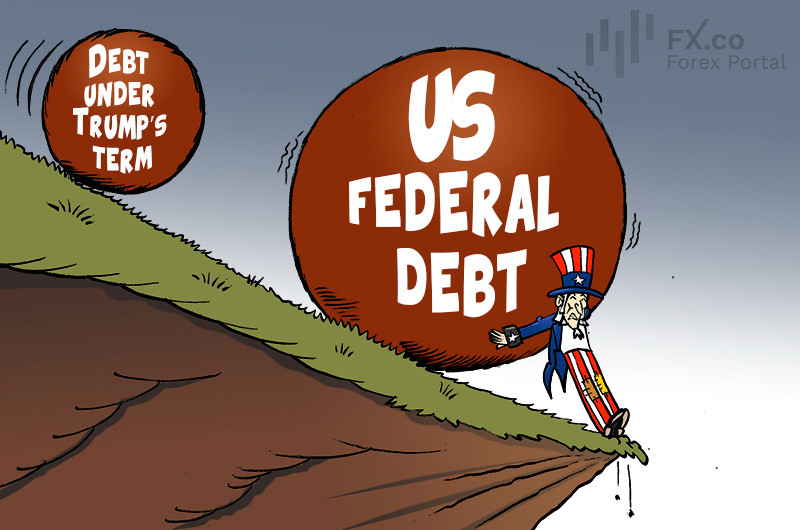
The US national debt has risen to $39.2 trillion as a result of the escalating armed conflict in the Middle East. The ongoing military engagement with Iran has led to an increase in federal treasury obligations by $450 billion due to rising defense spending and the expenses related to managing the budget deficit.
On May 12, 2026, Pentagon spokesperson Jules Hurst reported that Washington’s direct costs for military operations have approached $29 billion. Analyst Yuri Ichkitidze at Freedom Finance Global noted that total expenditures by the US Treasury for March and April 2026 amounted to nearly $1.2 trillion, with $146 billion allocated for national defense, 6% higher than the same period last year.
Olga Belenkaya, head of macroeconomic analysis at the Finam financial group, characterized the growing debt as a durable long-term trend that will accelerate significantly if combat operations drag on. According to market expert Olga Gagaladze, the Middle Eastern crisis has triggered a spike in energy prices and heightened inflation rates. The rising cost of borrowing is making it increasingly burdensome for the US financial system to service its debt obligations.
In a prior address last November, US President Donald Trump defended his protectionist policies and criticized opponents of new import tariffs. The president asserted that these tariffs would generate additional revenue for the federal budget. According to the American leader, these levies would enable the United States to start paying down its accumulated sovereign debt in the medium term.
Comments: