 English
 Русский
 Bahasa Indonesia
 Bahasa Malay
 ไทย
ไทย Español
 Deutsch
 Български
 Français
 Tiếng Việt
 中文
中文 বাংলা
বাংলা हिन्दी
 Čeština
 Українська
 Română

According to Eurostat, industrial production in the European Union rose 0.2% in June 2026 compared with May, while the euro area recorded zero growth (0.0%). Year‑on‑year figures also showed near‑zero increases: production was up 0.1% in the euro area and 0.6% across the EU. The most pronounced declines hit capital goods and equipment (down 1.4% in the euro area and 0.9% in the EU), as well as intermediate goods used for further assembly.
Crisis trends are particularly visible in the bloc’s leading economies. German industry remains 7.9% below its 2021 baseline (index at 92.1 points), contracting year‑on‑year in each month in the first half of the year and falling 0.5% in June. Italy’s output dropped 1.0% month‑on‑month and 0.6% year‑on‑year. Among other EU members, the deepest annual falls were recorded in Luxembourg (‑7.9%), Romania (‑5.6%), and Estonia (‑4.6%).
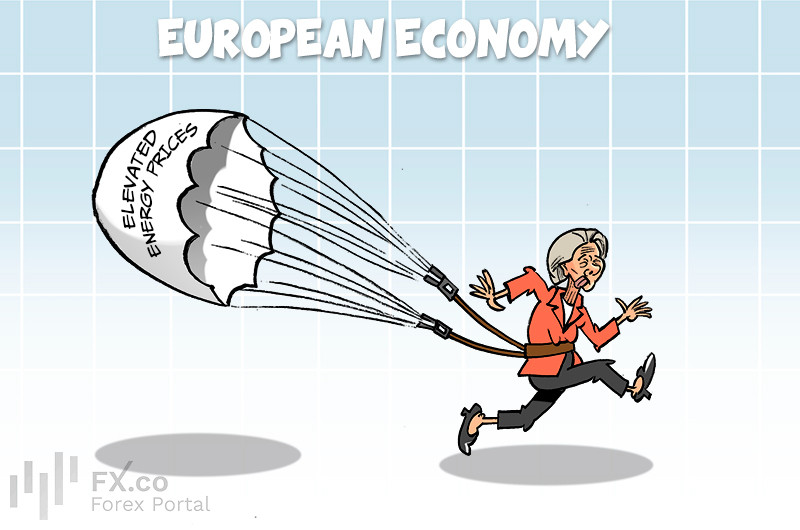
The stagnation in European industry is being exacerbated by high energy tariffs caused by the Middle East conflict and the withdrawal of Russian supplies, as well as by a loss of competitiveness in global markets. The European Commission estimates that EU exports will rise just 0.9% in 2026, euro area GDP growth will slow to 0.9% (1.1% for the EU), and inflation will settle around 3.0–3.1%. The commission warns that a protracted energy crisis risks further declines in investment and business activity for European manufacturers.