 English
 Русский
 Bahasa Indonesia
 Bahasa Malay
 ไทย
ไทย Español
 Deutsch
 Български
 Français
 Tiếng Việt
 中文
中文 বাংলা
বাংলা हिन्दी
 Čeština
 Українська
 Română

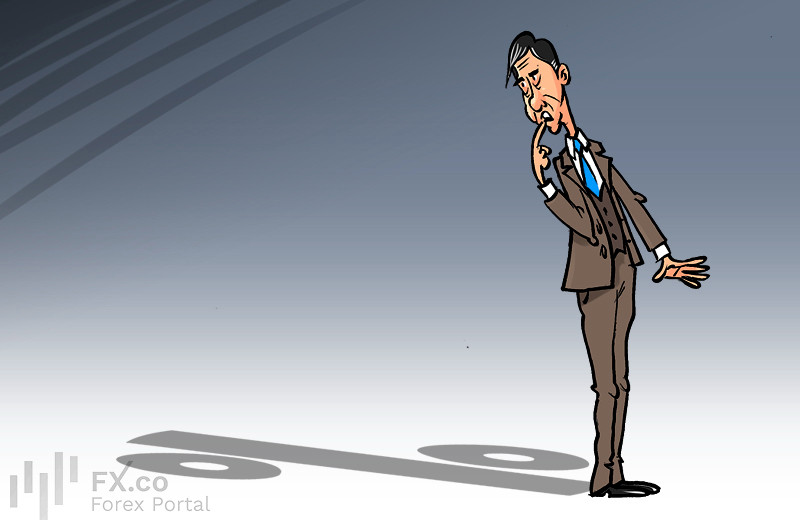
Citi Research analysts have developed a bespoke “Warsh shadow rate,” an indicator that captures the stance of monetary conditions using the economic and financial metrics Fed Chair Kevin Warsh highlighted at the Jackson Hole Economic Symposium. The index now sits close to the historic highs observed in prior tightening cycles. Given that the measure has historically led moves in two‑year Treasury yields, Citi says markets are reasonably pricing in a rising likelihood of renewed interest rate hikes.
The index mirrors a clear shift in the Fed’s priorities. Warsh has placed greater weight on core inflation, money supply dynamics, initial jobless claims, financial conditions, and equity market signals, while downgrading traditional labor market gauges such as nonfarm payrolls, wage growth, and inflation expectations. By Citi’s read, the metrics Warsh favors point squarely toward the need for tightening, whereas a set of secondary indicators show a cooling backdrop.
That makes August’s inflation report the decisive test. Citi economists say that a core CPI print of 0.3% or higher would make a September rate increase highly likely. A 0.1% rise would give the Fed cover to pause, while a 0.2% outcome would leave the risk balance ambiguous.
Warsh’s tougher rhetoric complicates matters for US Treasury Secretary Scott Bessent. Yields have climbed again, most notably in the 10‑year sector, and a jump in energy prices has amplified pressure at the long end, making it increasingly difficult to keep 30‑year yields below a critical 5.3% threshold. Citi’s historical analysis also points to a familiar scenario for investors: equities typically suffer a drawdown for roughly 50 trading days after the first hike before recovering, while the government bond market tends to endure a deeper, more prolonged sell‑off in response to Fed tightening.
Comments: