 English
 Русский
 Bahasa Indonesia
 Bahasa Malay
 ไทย
ไทย Español
 Deutsch
 Български
 Français
 Tiếng Việt
 中文
中文 বাংলা
বাংলা हिन्दी
 Čeština
 Українська
 Română

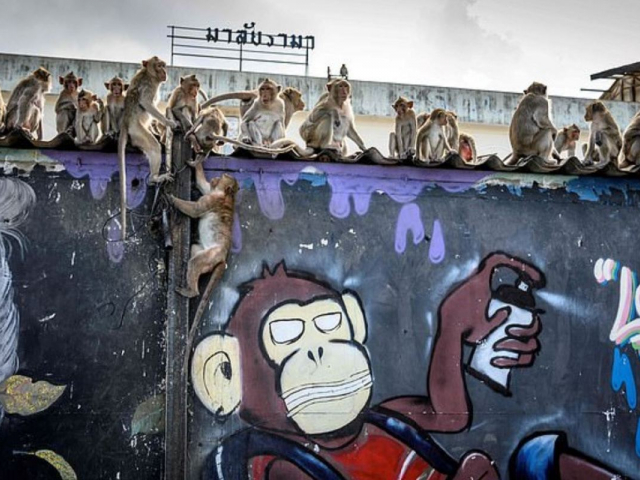
Lopburi monkeys make daily “tribute” to street vendors
In Lopburi, Thailand, monkeys have long been a part of the urban ecosystem, but they push local small businesses into constant expenses. The monkeys literally control the neighborhoods. They fearlessly enter shops, grab food, damage packaging, and scare away customers. Vendors are forced to change their hours of operation, install metal grates, and raise insurance premiums for their property. Tourists, who come for the “atmosphere,” only exacerbate the situation by feeding the animals and increasing their numbers. Businesses calculate their losses while authorities try to control the population, but a complete resolution of the issue has yet to be achieved.
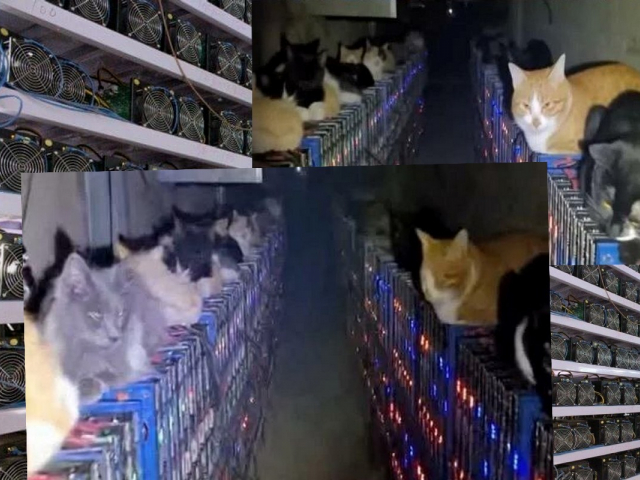
Want a heated bed? Welcome to a mining farm!
In one of China’s mining farms, a colony of about 200 stray cats made the area with graphics cards their home. As the outside temperature dropped, the warm mining farm turned into a “cat farm.” However, the dense concentration of animals on the servers disrupted heat dissipation and the operation of systems. Damage to low-voltage cables posed risks of short circuits. Miners faced forced downtime, loss of computing power, and expensive repairs. The farm owner built a separate space for the cats with heated beds while also enhancing the insulation of the main production areas.
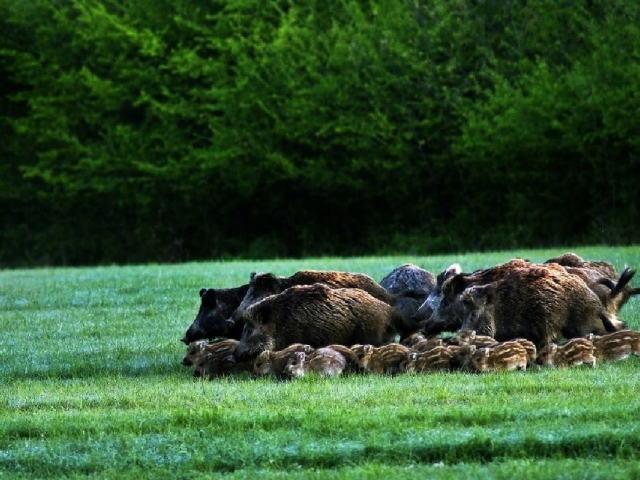
Wild boars determine agricultural prices in Europe
In Italy, Germany, and Poland, insurance and protective fencing for crops have become mandatory lines in budgets. Wild boars create serious problems for agribusiness. The animals break down fences, damage crops, block rural roads, and disrupt supply schedules. Farmers must spend hefty money on strengthening their properties: installing electric fences, enhancing guard posts, and setting traps. Boars can destroy a month’s worth of work overnight. Crop disruptions then affect processors and retailers, driving up final product prices.
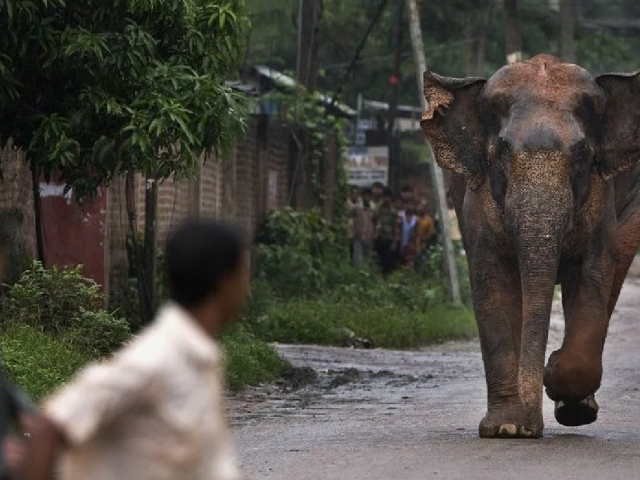
Indian elephants can wipe out a business overnight
Rural regions in India face similar challenges, where elephants frequently approach human settlements in search of food and water. For farmers, this represents a serious threat—herds can destroy a rice or sugarcane field in a matter of hours. Besides direct crop damage, infrastructure suffers—fences are knocked down, water pipes are broken, and warehouses are damaged. To reduce risks, farmers use floodlights, tension alarms, quiet ultrasonic repellents, and even apps on their phones to ward off stampeding elephants. However, it is difficult to change the migration routes of elephants. So, the issue remains chronic, with regular financial losses.
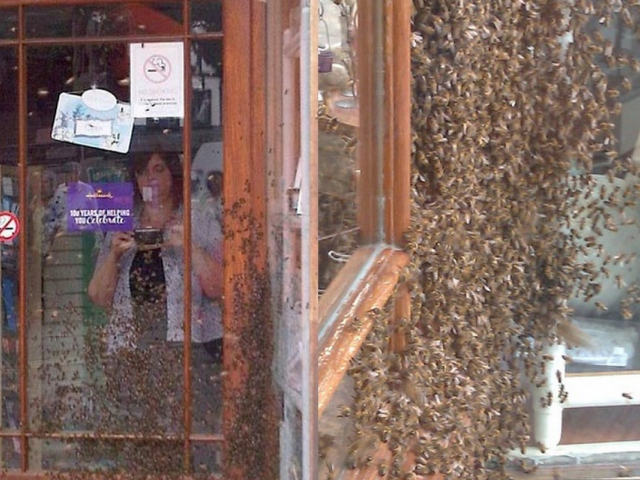
Little bees vs. small business – who suffers?
Cities around the world experience scenarios now and then when swarms of bees settle on shop facades, car roofs, or right at the entrances of retail outlets. For retailers, this means an immediate halt to operations, evacuation of employees, and calling in beekeeping specialists. Losses include not only downtime but also reputational risks, as photos and videos of such scenes quickly spread on social media. Small businesses are particularly vulnerable, as a single day of closure can end up in a loss of profit for a week. The natural cycle of swarming happens annually, so preventive measures and trained personnel are becoming increasingly relevant.
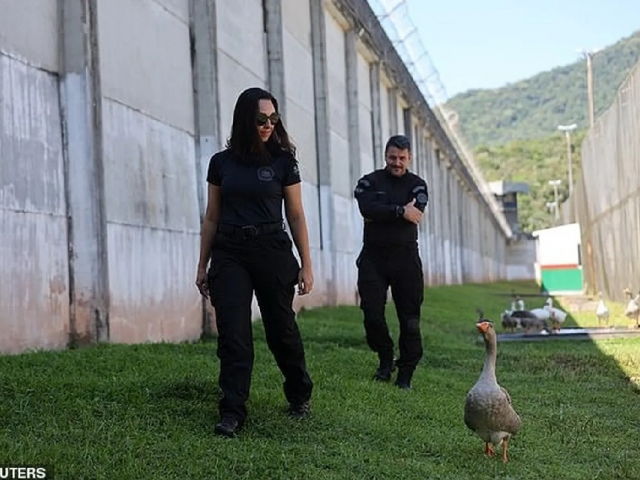
Geese saved Rome. They can save your business too
Geese are increasingly being used in warehouses, farms, and small logistics bases as an additional element of security. In Brazil, agent geese even patrol the perimeter of a prison. These birds respond with loud honks to even the slightest foreign movement in their “assigned” territory. In several farms, geese have proven effective in “signaling” uninvited guests. Keeping these waterfowl is cheaper than security dogs, and their reactions can sometimes be faster. However, businesses must consider their specificities: geese are noisy, require constant feeding, and can scare employees. Nonetheless, the benefits often outweigh the costs.