 English
 Русский
 Bahasa Indonesia
 Bahasa Malay
 ไทย
ไทย Español
 Deutsch
 Български
 Français
 Tiếng Việt
 中文
中文 বাংলা
বাংলা हिन्दी
 Čeština
 Українська
 Română

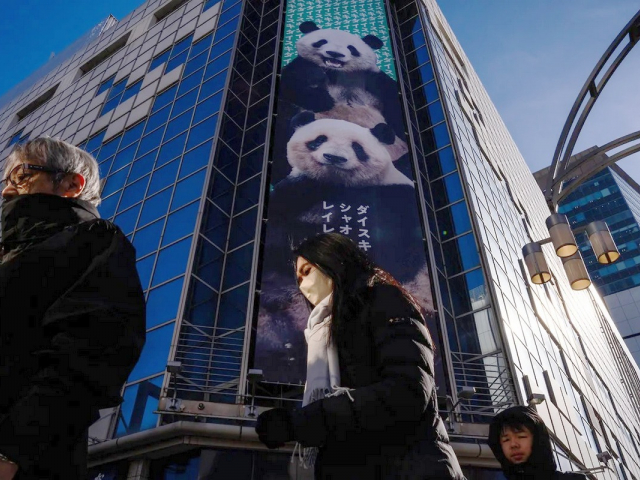
Why all giant pandas left Japan
This week, the last pair of pandas left Japan. They were born on Japanese soil, but all giant pandas are considered "Chinese" regardless of their place of birth. The return of giant pandas from Japanese zoos to China is always an event that goes beyond biology. Direct loans of these animals have served for decades as an instrument of "panda diplomacy," softening political tensions. When relations between Tokyo and Beijing sour, the pandas go back home. They are seen off by thousands of crying fans, official ceremonies are held, and a motorcade is provided.
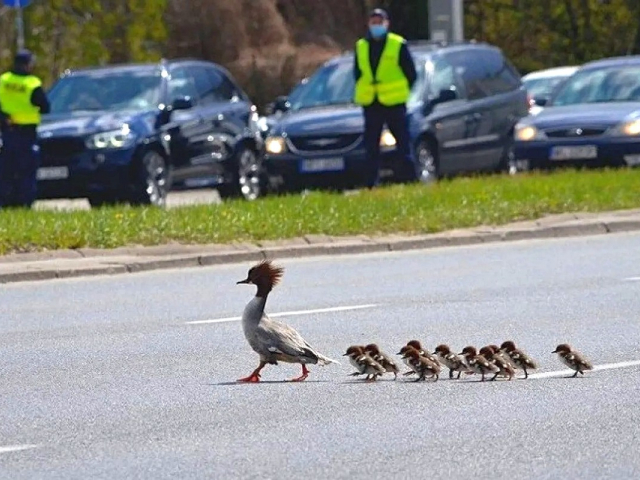
Duck trails across megacity intersection
Every spring, Warsaw stages a remarkable rescue operation. Ducks nesting in Lazienki Park walk with their broods to the Vistula — the only place where they can find enough food. The route crosses a six‑lane busy highway. The municipal guard and police secure the safety of this duck migration. Hundreds of volunteers organize watches and form a living corridor along the entire path of the mother and her ducklings. Drivers patiently wait until the final duckling in the mini‑column steps onto a safe stretch of grass.
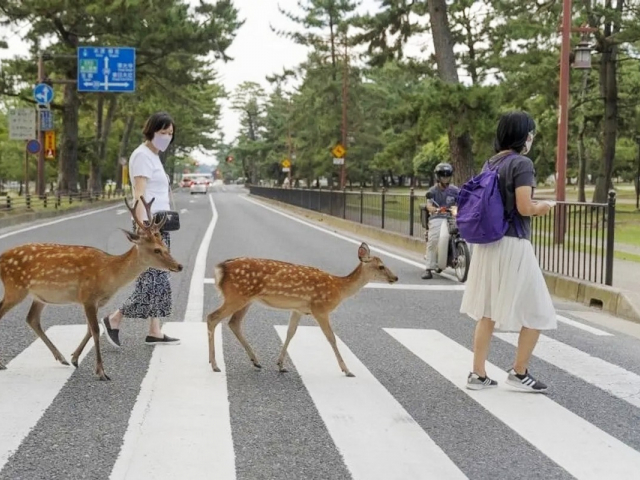
Can deer bow and wait at zebra crossing?
In Nara, Japan, the animals themselves often wait for traffic to stop before crossing the street. Thousands of spotted deer, freely roaming parks and streets, have become the city’s living totem and a national treasure. These deer are remarkably socialized: many have learned to bow politely to tourists while begging for a special biscuit called shika‑senbei. Most striking is their behavior on the road. They frequently cross on a green light or calmly stand at a zebra crossing together with pedestrians. They are true, civilized citizens of Nara.
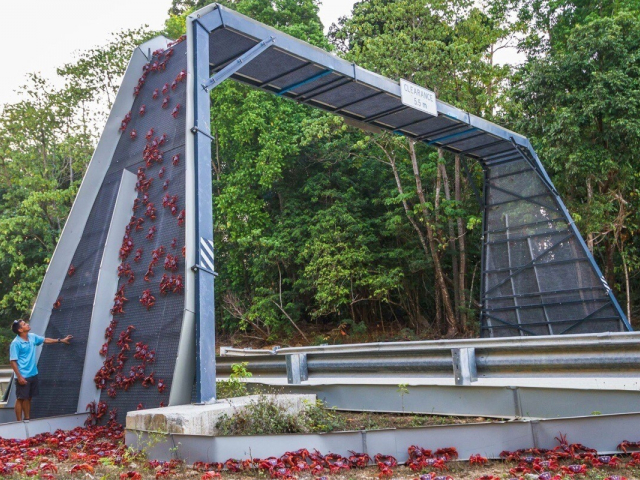
Why Christmas Island needs red bridge
The mass migration of red crabs on Christmas Island in Australia is one of the planet’s most impressive spectacles. Each year, millions of crabs leave the jungle and head to the ocean to spawn, turning roads into a living carpet. This creates enormous logistical challenges. To protect the animals and keep traffic safe, island authorities take extraordinary measures. They close roads, build underpasses, and have erected a red mesh bridge over the main highway that serves as a crossing for the million‑strong crab torrent.
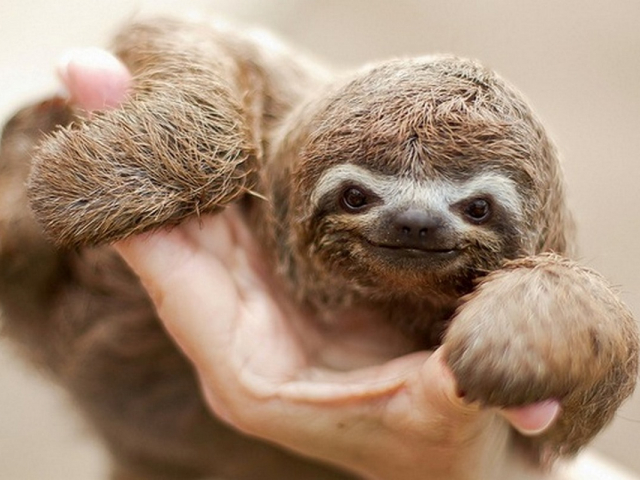
"Sloth patrol" rushes to help
In the Brazilian town of Nanuque, local authorities and residents have united to protect the region’s slowest inhabitants — three‑toed sloths. The animals often leave the safety of tree crowns and risk their lives on busy highways. In Nanuque, the problem is solved radically. A unique "sloth patrol" operates there. Volunteers and police halt traffic and literally carry the traveler from one verge to the other. Special road signs reading "Caution! Sloths!" line the entire highway.
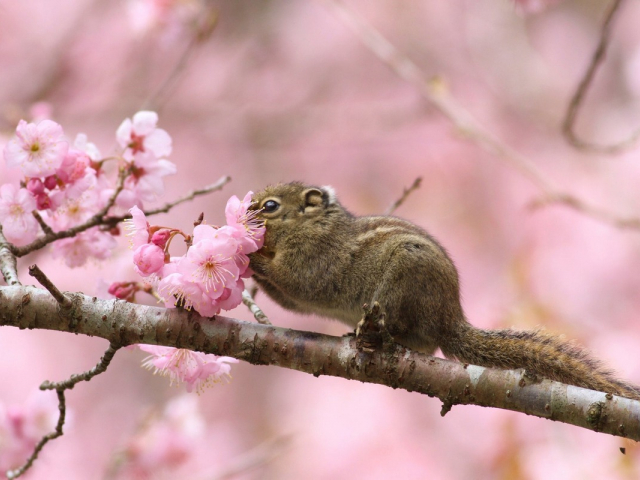
Safe where they are loved and cared for
These residents of Taiwan’s capital are not carried in arms — they move quickly enough on their own. Taipei is not only a tech megacity but also a true paradise for tree squirrels. Scientists have found thousands of Formosan striped squirrels in the city that use trees as bridges. Where trees are scarce, people have installed squirrel walkways — delicate rope structures. Thanks to human care, the squirrels move safely between parks and crowns, avoiding asphalt. The bridges have become a symbol of Taipei, confirming its friendly status for everyone from humans to squirrels.
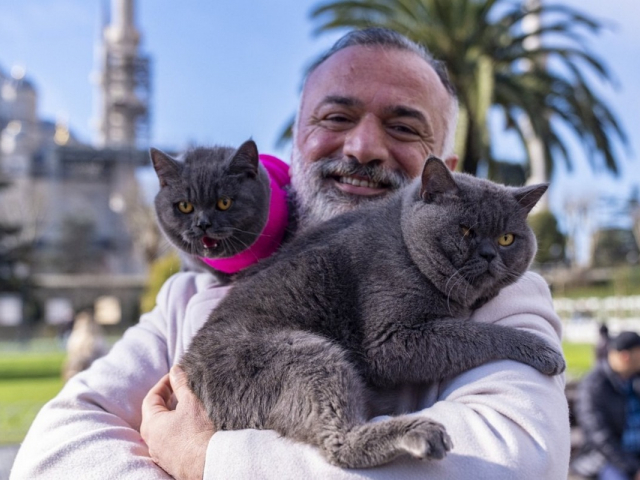
Better together: the "Istanbul syndrome"
Istanbul has its own army of furry residents. Street cats there are not just animals but full, privileged citizens and an unofficial symbol of the city. This is a unique example of collective care by an entire megapolis: it seems every Istanbuli feels it is their duty to feed, pet, or provide a home for the furry purrers. The free‑roaming cats enter mosques, shops, cafes, and government buildings. City authorities support this culture by installing automatic waterers and feeders and by providing free veterinary care.