 English
 Русский
 Bahasa Indonesia
 Bahasa Malay
 ไทย
ไทย Español
 Deutsch
 Български
 Français
 Tiếng Việt
 中文
中文 বাংলা
বাংলা हिन्दी
 Čeština
 Українська
 Română

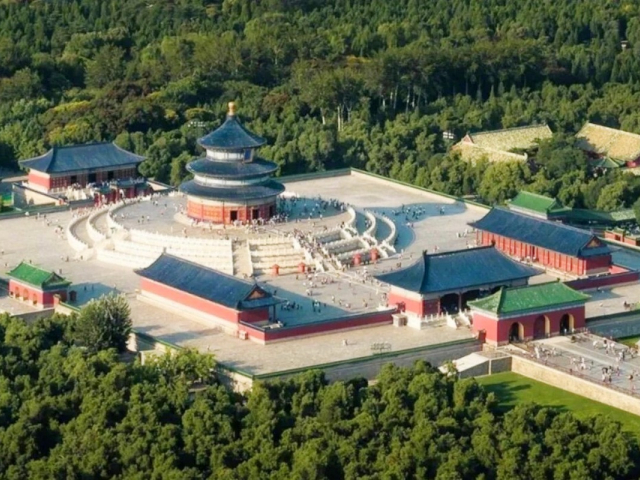
Temple of Heaven: ceremony, protocol, and diplomacy
In official heads‑of‑state meetings, park spaces act as theatres of diplomacy. Donald Trump’s visit to the Temple of Heaven in Beijing is an example of how ceremonial greenery becomes part of protocol. A photograph taken against an avenue conveys respect for tradition while framing the guest in a mantle of cultural legitimacy. The garden around the sacred complex is not merely a backdrop but a tool of communication and mutual recognition. Some 60,000 varieties of trees grow on the site, the best known of which is the 500‑year‑old “Nine‑Dragon Cypress.”
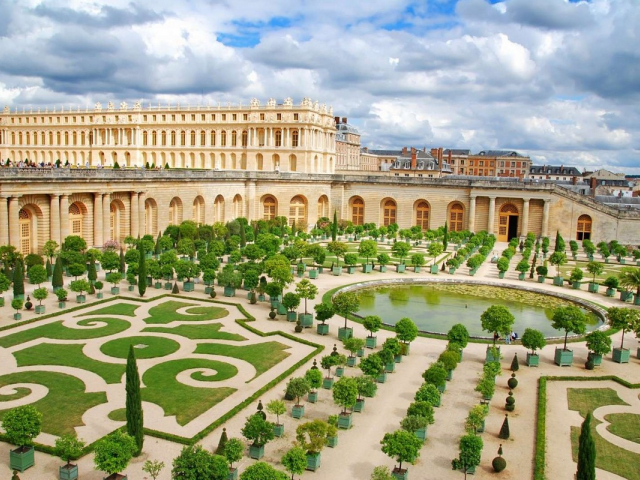
Versailles: garden of ambition
Versailles is not just a palace but a vast manifesto of power translated into landscape language. The geometry of alleys, mirrored canals, and sculptural groups are all calculated for psychological visual effect: the monarch at the center, perfect order all around. The garden served as an instrument of control and elite formation — a place of spectacle and public authority. Today, Versailles is a museum, yet its parks still read as a political metaphor and architecture of status: grandeur visible to the eye but beyond the reach of the common person.
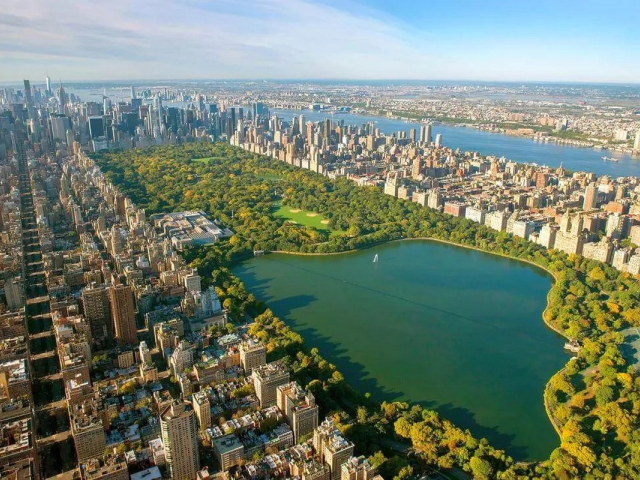
Central Park: geography of capital
The creation of Central Park in the 19th century is an example of how green spaces become a city asset. The park reshaped Manhattan’s urban map: expensive real estate sprang up nearby, cultural life intensified, and elites gained a convenient platform for public presence. A park is both a public good and a tool for privatizing desire: attractive greenery raises a neighborhood’s status. Although Central Park is open to all, its designers were aware that such spaces form a city’s price and symbolic elite.
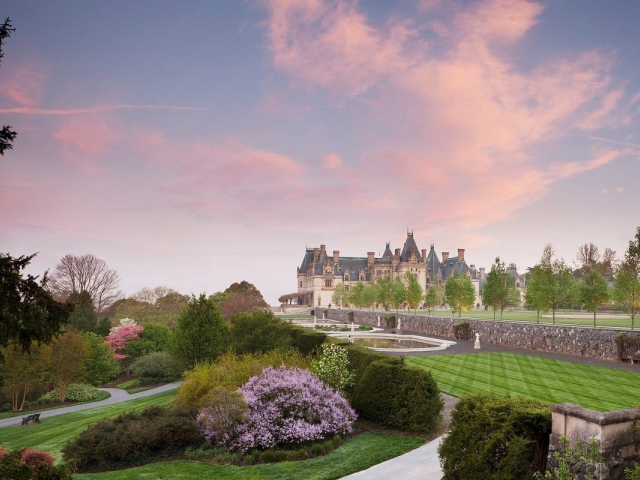
Biltmore: garden as family crest
The Biltmore Estate in the US is an example of a private landscape where the garden serves as the family brand. English parkland traditions in an American interpretation (Italian terraces, gardens, vineyards) are not just about horticulture. They are also a declaration that the household is a civilizational center. A private park signals that the owner has time, resources, and taste — and thus influence. For guests, such gardens become the host’s theatre, where a walk on the terrace reveals the hierarchy and traditions the family upholds.
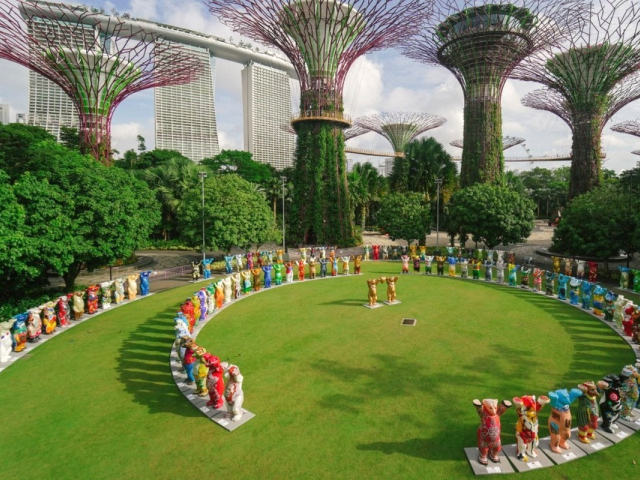
Singapore and Gardens by Bay: country as brand
Gardens by the Bay is an example of modern use of landscape in national branding. Artificial super‑structures, “solar carpets”, and climate pavilions have become the city‑state’s signature. Greenery here is not merely beautification but an economic product, a tourism, and an image tool. Singapore demonstrates how curated green aesthetics attract capital and visitors while projecting an ideology of sustainable progress. In such projects, a park is not just a stroll but a declaration of the experience economy.
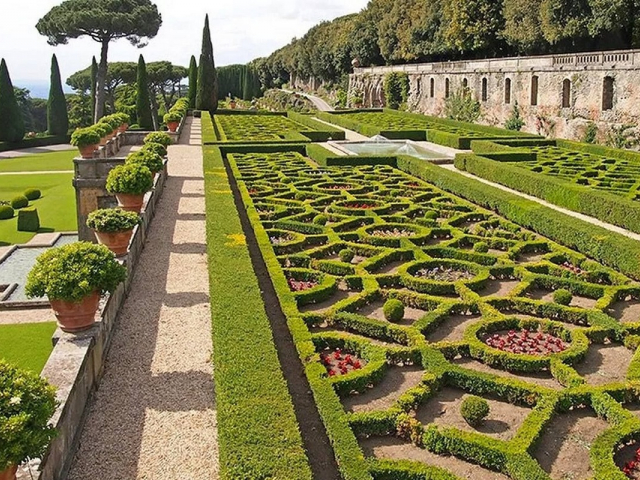
Vatican Gardens: green language of sacred authority
The Vatican Gardens are a private green space within the city‑state, where every tree and alley carries a message. The landscape concentrates religious and political symbolism: the Pope’s walk is both a personal and institutional act. The garden serves as a place of prayer, diplomatic meetings, and solitude, while remaining a powerful marker of authority. Its private character heightens significance: restricted access makes the perception of sacred power even more palpable.
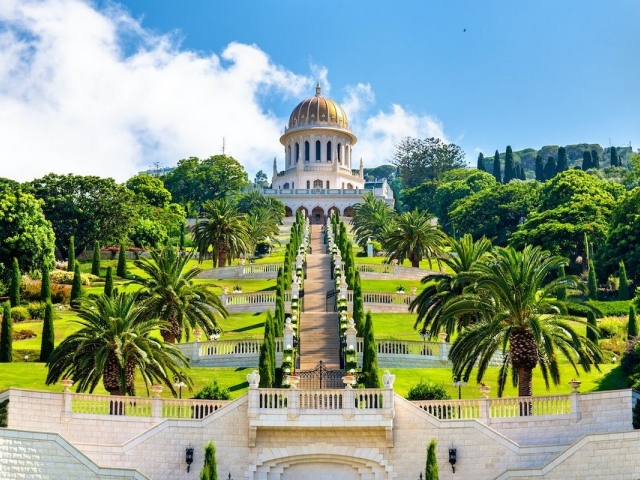
Terraces of revelation: vertical monument to unity
The Bahá’í Gardens on the slopes of Mount Carmel in Haifa are a rare example of a religious complex integrated with an urban landscape. Nineteen terraces (a reference to the Bahá’í calendar) descend to the sea from a summit crowned by a marble mausoleum with a golden dome — the shrine of the Báb. The gardens are arranged so that each step is simultaneously a walk and a pilgrimage: neat paths, plant geometry, and bay views create a sense of belonging and order. This is not only aesthetics but symbolism; the site is listed as a UNESCO World Heritage property.
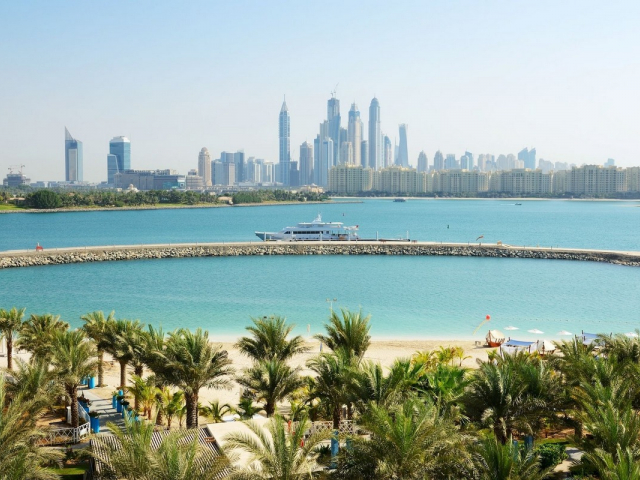
Palms in Dubai: landscape as investment
In Dubai, the landscape is designed to impress. Palm islands and green oases around hotels are part of the national economy. A park here is an investment product: a hotel with its own garden sells not just accommodation. The visual luxury of the landscape is priced in — a green palace by the water becomes a marketed symbol of prestige. The landscape turns into a commercial art production where nature serves as stage dressing for high‑end consumption.
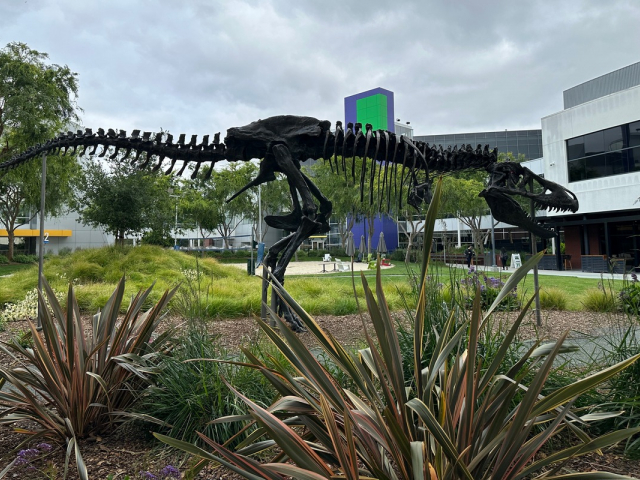
Corporate park: when business creates its own gardens of influence
Office campuses of major corporations increasingly include carefully designed parks and inner gardens. This is not only care for employees — such spaces shape the company’s image: technological, “caring,” and progressive. For investors and clients, a well-kept headquarters landscape signals substantial resources and a forward-looking strategy. The park environment becomes part of branding and recruitment. No wonder talents enjoy working where there are green courtyards and quiet alleys. In turn, shareholders appreciate a sustainable and attractive image.