 English
 Русский
 Bahasa Indonesia
 Bahasa Malay
 ไทย
ไทย Español
 Deutsch
 Български
 Français
 Tiếng Việt
 中文
中文 বাংলা
বাংলা हिन्दी
 Čeština
 Українська
 Română

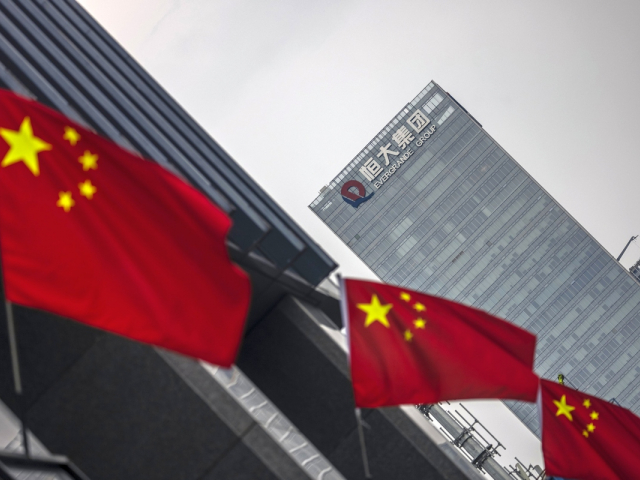
Wild construction over
Evergrande’s delisting drew a thick line under the era of frenzied construction. At its peak, the company’s market capitalisation exceeded $50 billion, and demand for its shares outstripped supply by 46 times. Yet the developer amassed an astronomical $300 billion of debt and declared default. US bankruptcy proceedings and a Hong Kong court liquidation order put management in the hands of external administrators and exposed the bankrupt group’s “legacy.” Evergrande still has roughly 1,300 unfinished projects across 280 cities, while hundreds of thousands of ordinary buyers have been waiting for years for apartments they already paid for.
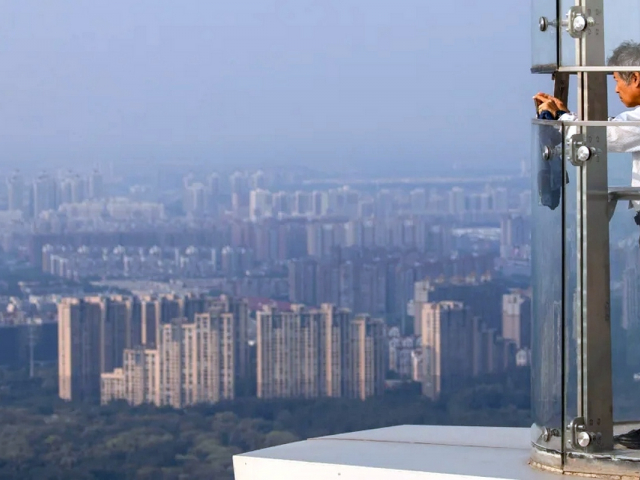
Chinese domino effect
The collapse of the leader triggered a chain reaction. Soon, other giants in China’s property sector — Country Garden and Sunac — also slipped into default. The scale of the disaster is striking: Country Garden alone has nearly one million stalled apartments in hundreds of cities, and its half‑year losses exceeded $3 billion. The developer has been forced to urgently restructure $14 billion of debt. Hong Kong courts have already ordered the compulsory liquidation of six major national developers. The chain reaction was powerful enough to drag down global oil and iron‑ore markets.
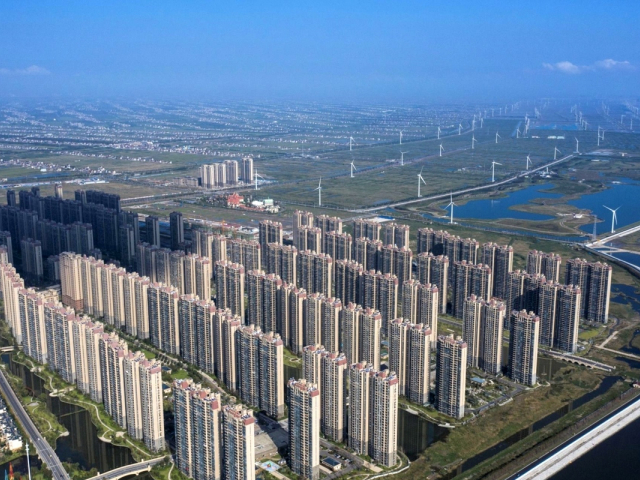
Promises of perpetual engine
It began in 1998, when Chinese authorities allowed private individuals to freely buy and sell housing. Mass urbanisation moved 480 million people into cities. The construction boom became the chief engine of the global commodities market: China consumed vast quantities of metals, cement, and oil. Ultimately, the contribution of construction and related industries exceeded 25% of China’s GDP. Selling land for development became the main revenue source for local government budgets. The sector looked like a perpetual engine that would sustain the country for decades.
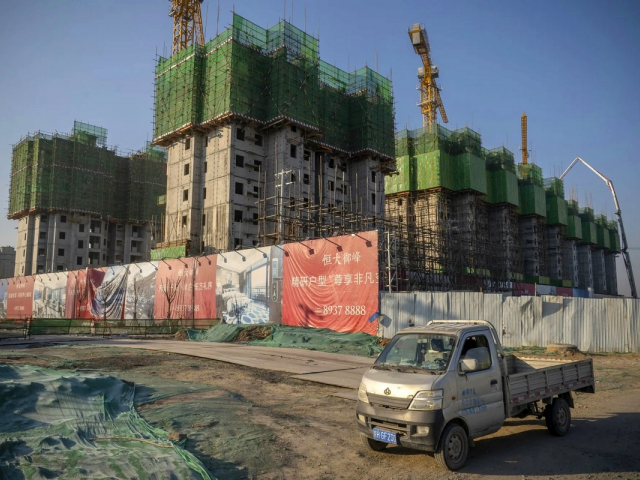
Concrete illusion of wealth
Over 15 years, housing prices in China rose sixfold. Because of underdeveloped social safety nets and frequent market manipulation, apartments became the principal store of value for ordinary citizens. People saw concrete as a reliable shield against inflation, investing nearly 80% of all household assets in housing. By 2019, the Chinese real estate market’s size reached an astronomical $52 trillion — twice the size of the US market. Authorities routinely supported developers with concessions and cheap credit at the first sign of trouble, artificially inflating this massive financial bubble.
Silent ghost towns
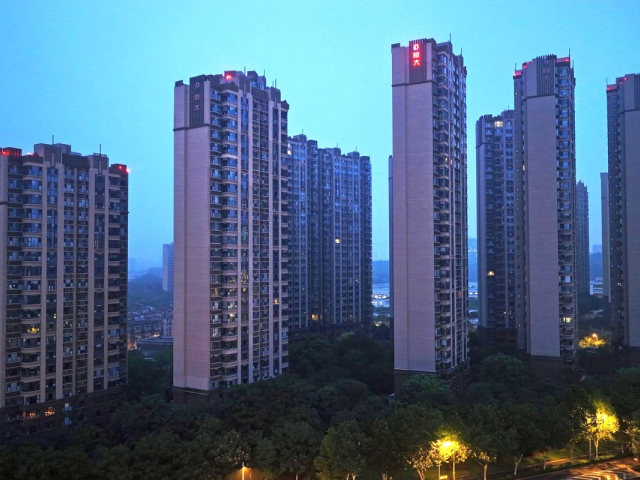
The flip side of unchecked construction mania is the now‑famous ghost cities. While the market expanded, developers used to produce skyscrapers without regard to unsold inventory. In the downturn, those concrete jungles became monuments to wasted spending. Entire new neighbourhoods stand empty, lights glowing in a few windows. Today, the volume of new flats in the market is twice historical norms. Recognising the scale of the catastrophe, builders sharply cut new‑build volumes, which fell by 20% in the first months of 2025.
Prices slump
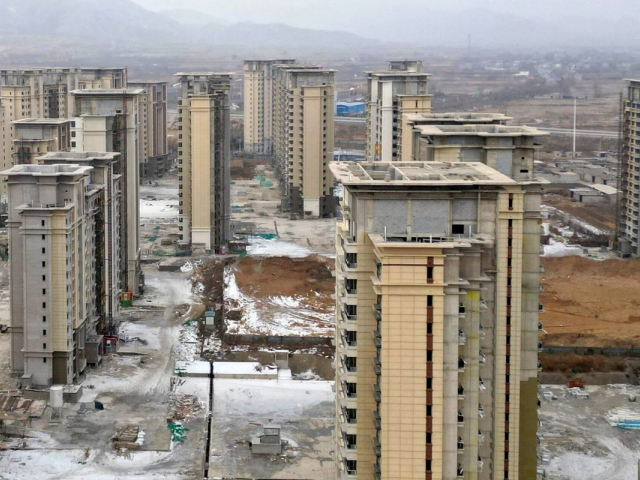
Since H2 2023, existing home prices have been falling virtually across all major cities. Sales, housing starts, and completed floor space have slid to their lowest levels in 16 years. Buyers are frozen in expectation, and developers cannot raise prices. Those who had counted on perpetual appreciation of their concrete assets have confronted harsh reality: the market is oversupplied, demand is weak, and the price decline is accelerating.
Years wasted
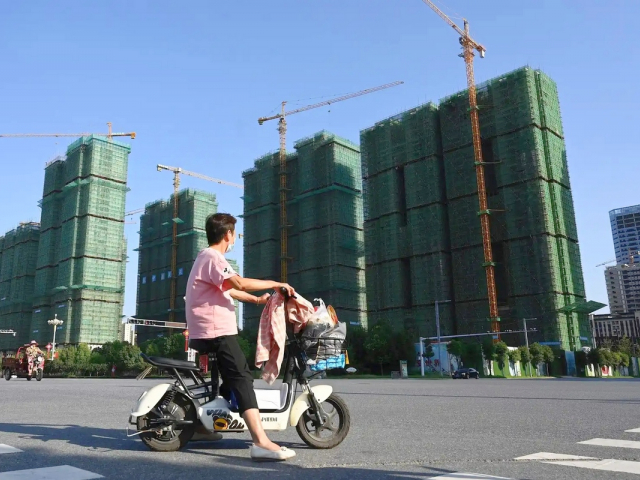
Real stories of ordinary Chinese people illustrate the scale of personal tragedy. A resident of Hefei put a fully furnished apartment on sale for the same $330,000 she paid three years earlier, having lost another $80,000 on renovations — yet buyers demanded at least a 15% discount. Another woman, Lili Zhang, managed to sell a Beijing flat she bought at the 2016 peak, but only at the original purchase price. She bitterly concluded that nine years of mortgage payments felt wasted, as if nothing had happened during that time.

End of affordable housing
The root of the crisis lies in authorities’ decision to limit developers’ leverage in order to protect the banking system. Housing prices in megacities reached absurd levels: in high-tech hub Shenzhen, the average two‑bedroom apartment in 2020 cost 43 times a family’s annual income — nearly $900,000. By contrast, the same ratio in New York was just 10. Life on credit put housing out of reach for young people. Beijing’s new strict lending limits deprived developers of working capital, and pandemic‑era restrictions pushed the system to collapse. The off‑plan sales model has effectively crashed.
Shadow from Japan
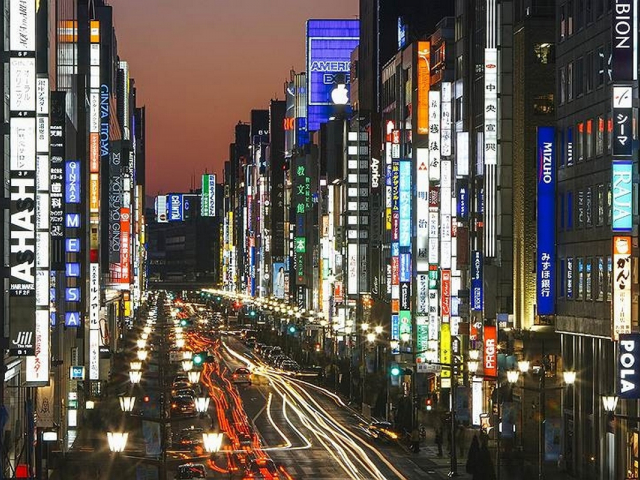
From the 2021 peak, apartment prices in China have tumbled almost 20%. Economists note it is hard to get people to spend in shops if their most important asset is steadily losing value month after month. The property slump has paralysed retail and investment nationwide. China’s real estate market did not collapse in a single day like Japan’s in the early 1990s, but the protracted five‑year crisis carries similar risks. China risks repeating its neighbour’s fate and sliding into a long period of economic stagnation, left with dashed hopes.